

As a professional landscaper, I’ve had the pleasure of transforming numerous outdoor spaces into personal paradises. One of the most popular features that homeowners request is a hot tub. Beyond their undeniable luxury, hot tubs offer a myriad of benefits that enhance both the aesthetic appeal and functionality of any landscape. In this comprehensive guide, we’ll delve into the various aspects of hot tubs, from their benefits and types to installation and maintenance tips, ensuring you make an informed decision for your outdoor space.
The Benefits of Hot Tubs
1. Relaxation and Stress Relief
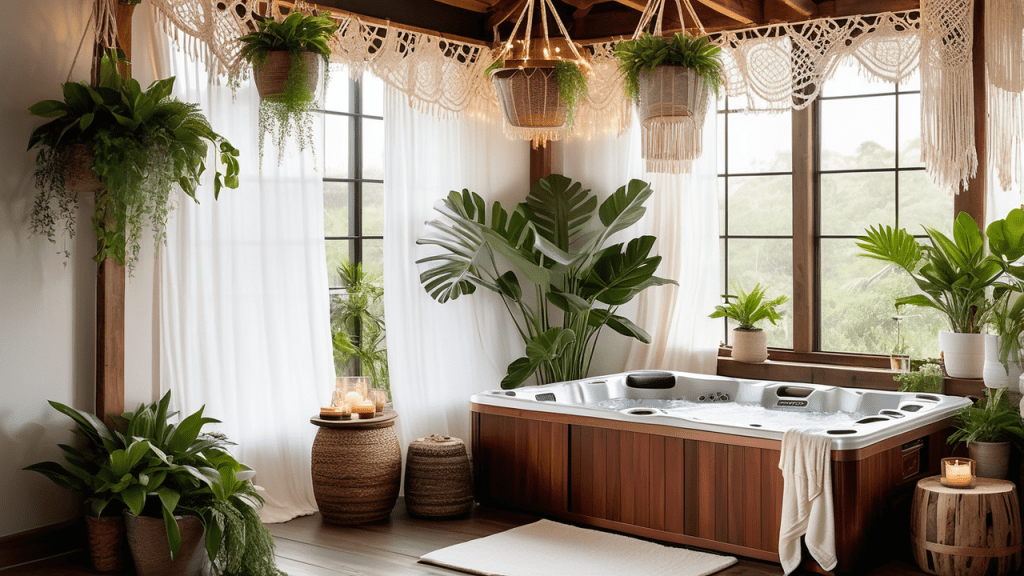
One of the primary reasons people invest in a hot tub is for the unparalleled relaxation it provides.
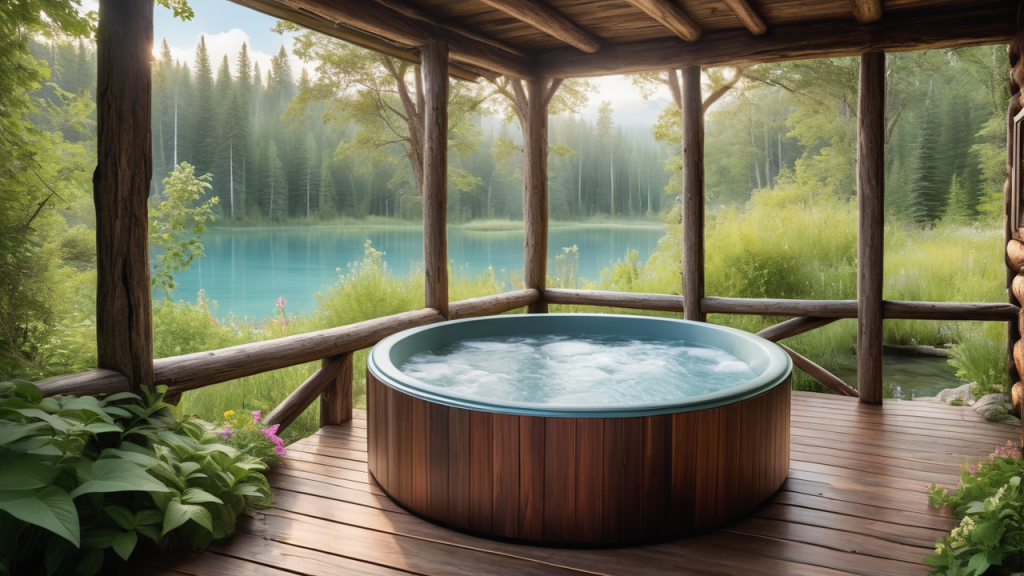
The warm water and massaging jets create a soothing environment that helps alleviate stress and anxiety.

Regular use of a hot tub can significantly improve your mental well-being, offering a tranquil escape from the hustle and bustle of daily life.
2. Health Benefits

Hot tubs are not just about relaxation; they also offer numerous health benefits. The heat and buoyancy of the water improve circulation, reduce muscle tension, and relieve pain from conditions such as arthritis.

Hydrotherapy, or water therapy, has been shown to accelerate the healing process for various injuries and ailments, making hot tubs a valuable addition for those seeking physical rehabilitation.
3. Social Hub

A hot tub can serve as a social focal point in your backyard.

Whether you’re hosting a small gathering or enjoying a quiet evening with family, a hot tub provides a cozy and inviting atmosphere. It encourages conversation and bonding, creating lasting memories with loved ones.
4. Aesthetic Enhancement

From a landscaping perspective, a well-integrated hot tub can significantly enhance the visual appeal of your outdoor space.

With various designs, materials, and placement options, a hot tub can be tailored to complement your landscape, adding a touch of elegance and sophistication.
Types of Hot Tubs
1. In-Ground Hot Tubs

In-ground hot tubs are custom-built to fit seamlessly into your landscape. They offer a permanent and luxurious solution that can be designed to match your specific preferences.

These hot tubs are often made from concrete or gunite and can be finished with various materials such as tile, stone, or plaster.

While they are more expensive and require professional installation, the result is a stunning and integrated feature that elevates your outdoor space.
2. Above-Ground Hot Tubs

Above-ground hot tubs are pre-manufactured and come in a range of sizes and styles. They are typically made from acrylic, fiberglass, or wood and can be installed relatively quickly and easily.

These hot tubs are more affordable and can be moved if necessary, offering flexibility for homeowners who may relocate or want to change their outdoor layout.
3. Portable Hot Tubs

For those seeking a budget-friendly option, portable hot tubs are an excellent choice. Made from durable materials such as vinyl or PVC, these inflatable hot tubs can be set up and taken down with ease.
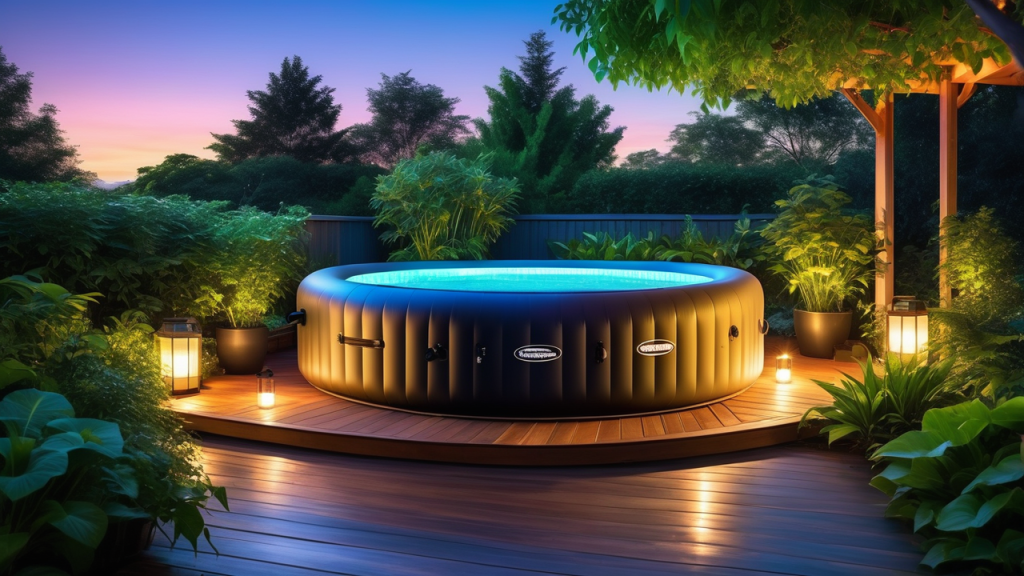
While they may not offer the same level of durability or aesthetic appeal as in-ground or above-ground models, they provide a convenient and accessible way to enjoy the benefits of a hot tub.
Installation Considerations
1. Location
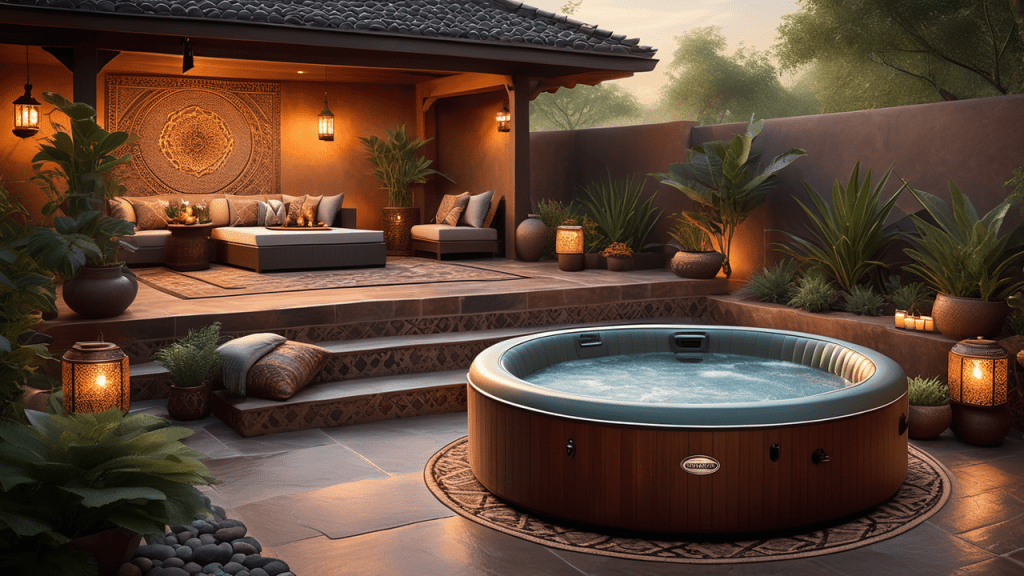
Choosing the right location for your hot tub is crucial. Consider factors such as privacy, accessibility, and proximity to utilities like water and electricity. The site should also provide adequate drainage and be able to support the weight of the filled hot tub.
2. Permits and Regulations
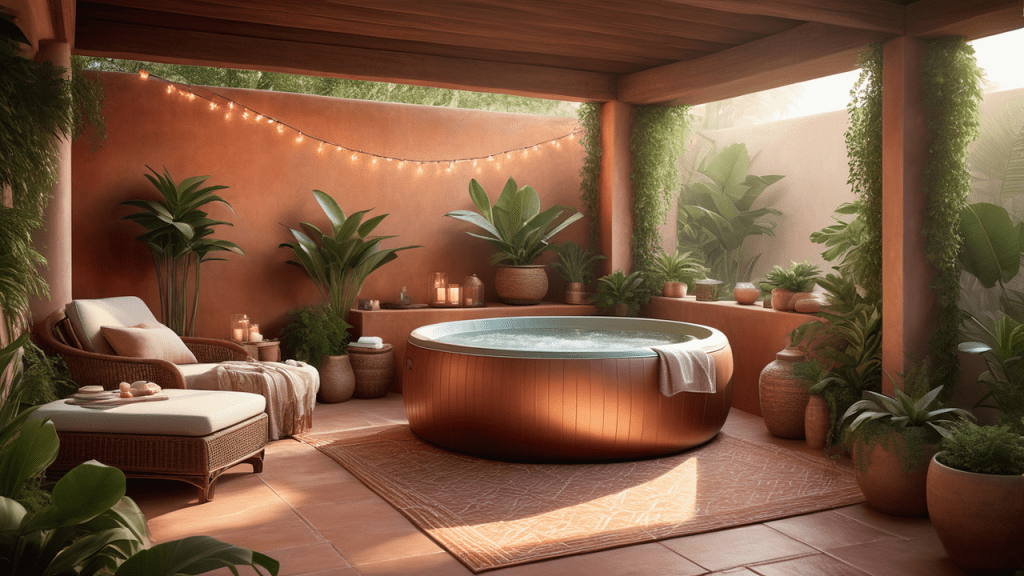
Before installation, check with your local authorities regarding any permits or regulations that may apply. This can include zoning laws, electrical codes, and safety requirements. Ensuring compliance will prevent potential issues and delays.
3. Foundation

A solid foundation is essential for the stability and longevity of your hot tub. For in-ground hot tubs, a concrete pad or reinforced deck is often required. Above-ground and portable hot tubs can be placed on a level surface, such as a patio or deck, provided it can support the weight.
4. Electrical and Plumbing

Proper electrical and plumbing connections are vital for the safe and efficient operation of your hot tub. It is highly recommended to hire licensed professionals to handle these installations, ensuring they meet all safety standards and codes.
Landscaping Around Your Hot Tub
1. Privacy

Privacy is a key consideration for many hot tub owners. Incorporating privacy screens, fencing, or strategically placed plants can create a secluded oasis, shielding you from prying eyes while enhancing the ambiance.
2. Lighting

Thoughtful lighting can transform your hot tub area into a magical retreat. Consider installing dimmable LED lights, string lights, or lanterns to create a warm and inviting atmosphere.
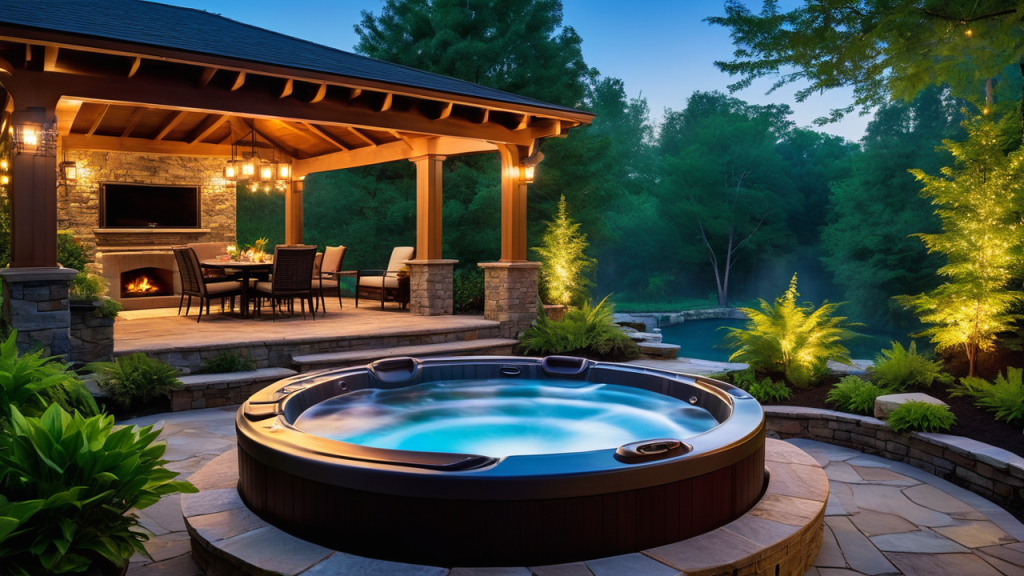
Underwater lighting in the hot tub itself can also add a mesmerizing touch.
3. Surrounding Features

Enhance the overall experience by incorporating complementary features around your hot tub. A pergola or gazebo can provide shade and shelter, while a nearby fire pit or outdoor fireplace adds warmth and a focal point.
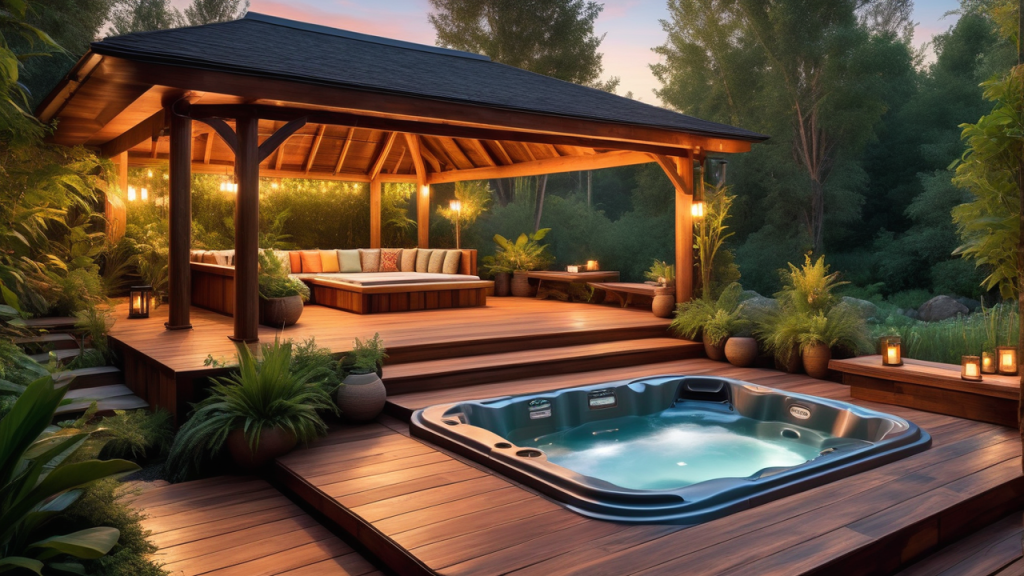
Comfortable seating, such as loungers or a built-in bench, ensures you have a place to relax before and after using the hot tub.
4. Plantings

Integrate your hot tub into the landscape with thoughtful plantings.

Choose plants that thrive in your climate and can withstand the humidity and heat of the hot tub area. Lush greenery, colorful flowers, and fragrant herbs can create a serene and inviting environment.
Maintenance Tips
1. Regular Cleaning
Keeping your hot tub clean is essential for both hygiene and longevity. Regularly remove debris, clean the filter, and scrub the interior surfaces to prevent the buildup of dirt and algae. Use appropriate cleaning products recommended by the manufacturer.
2. Water Quality
Maintaining balanced water chemistry is crucial for the health of your hot tub and its users. Test the water regularly and adjust the pH, alkalinity, and sanitizer levels as needed. Draining and refilling the hot tub every few months helps keep the water fresh and clean.
3. Cover Maintenance
A quality hot tub cover protects the water from debris and conserves heat. Ensure the cover is in good condition, free from tears or damage. Clean the cover periodically and treat it with a UV protectant to extend its lifespan.
4. Winter Care
If you live in a region with cold winters, proper winterization is essential. Drain the hot tub, clean it thoroughly, and disconnect all electrical components. Cover the hot tub securely to prevent damage from snow and ice. Alternatively, if you plan to use the hot tub during winter, invest in a high-quality, insulated cover and consider a hot tub heater to maintain the water temperature.
Conclusion
A hot tub is a fantastic addition to any outdoor space, offering relaxation, health benefits, and social opportunities. As a professional landscaper, I can attest to the transformative impact a well-integrated hot tub can have on your landscape. By carefully considering the type, location, and surrounding features, you can create a stunning and functional retreat that enhances your lifestyle and adds value to your home.
Whether you opt for an in-ground, above-ground, or portable hot tub, proper installation and maintenance are key to ensuring years of enjoyment. With the right planning and care, your hot tub can become the centerpiece of your outdoor oasis, providing a serene escape and a source of joy for you and your loved ones.



 YourHomeInspirations
Leave a comment