

Victorian homes, with their intricate details and grand facades, have long captured the imagination of architecture enthusiasts and casual observers alike. Flourishing during the reign of Queen Victoria (1837-1901), these homes represent a fascinating period in architectural history characterized by a mix of Gothic, Italianate, and Queen Anne styles. Their beauty lies in the meticulous craftsmanship, the ornate decorations, and the unique character that each home possesses. Join us as we embark on a journey through the enchanting world of Victorian homes, showcasing their exteriors and highlighting the features that make them so captivating.
The Allure of Victorian Architecture
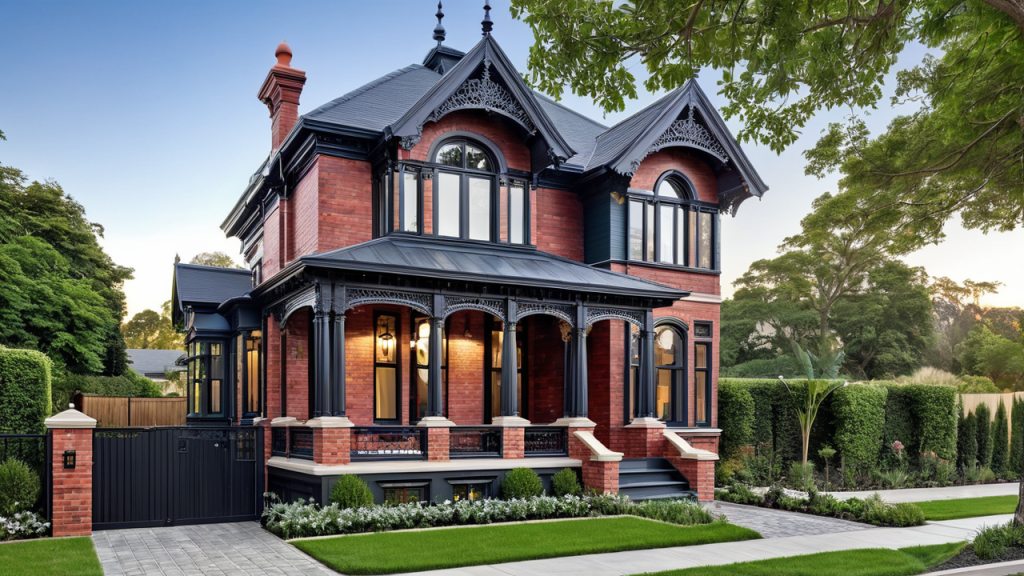
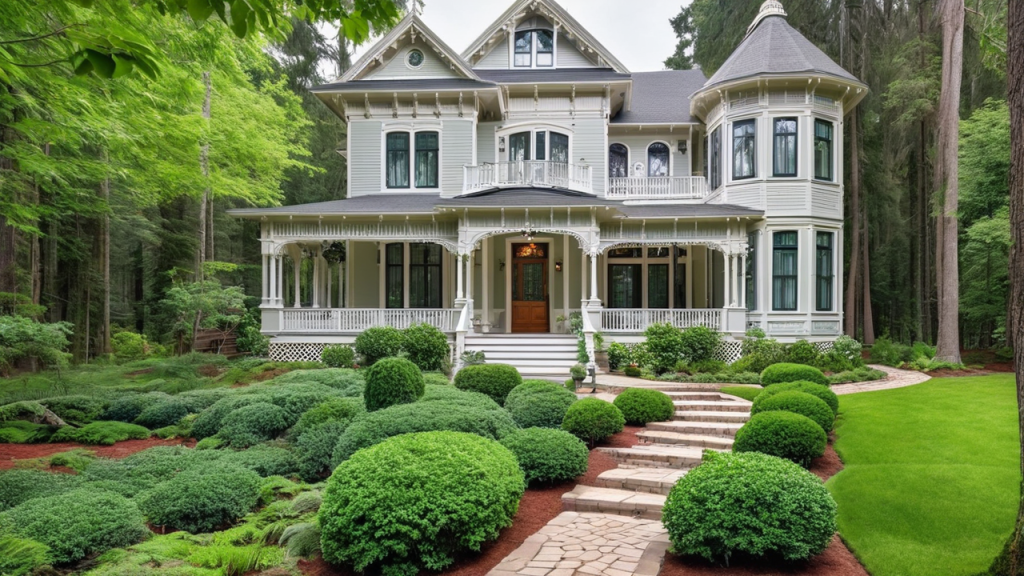
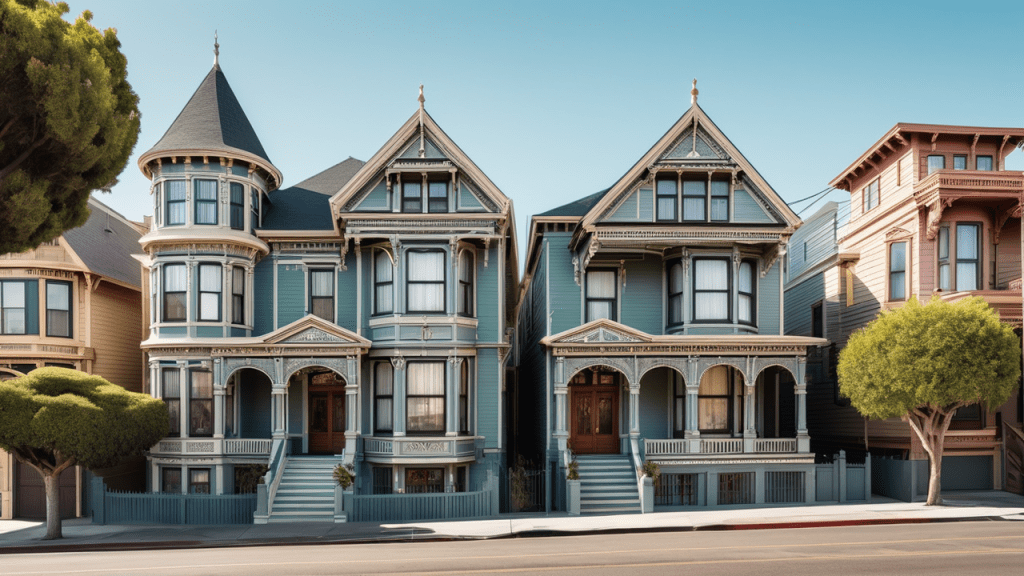
Victorian architecture is a broad and eclectic mix of styles, each bringing its own unique elements to the table. The most popular substyles include Gothic Revival, Italianate, Second Empire, Stick-Eastlake, and Queen Anne. These styles often coexist within a single home, resulting in a rich tapestry of architectural details. Here are some of the most defining features of Victorian homes:
Ornate Woodwork
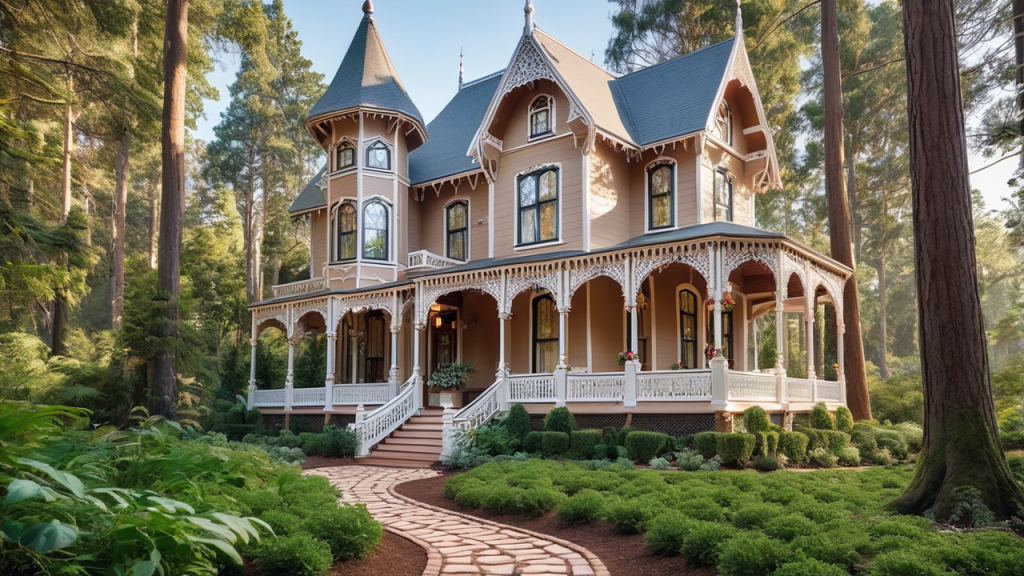
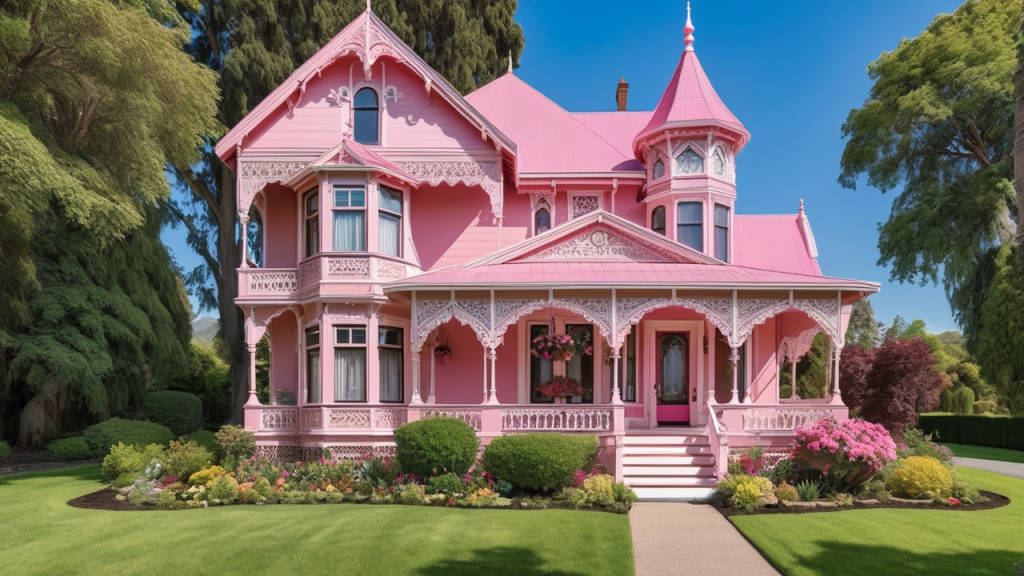
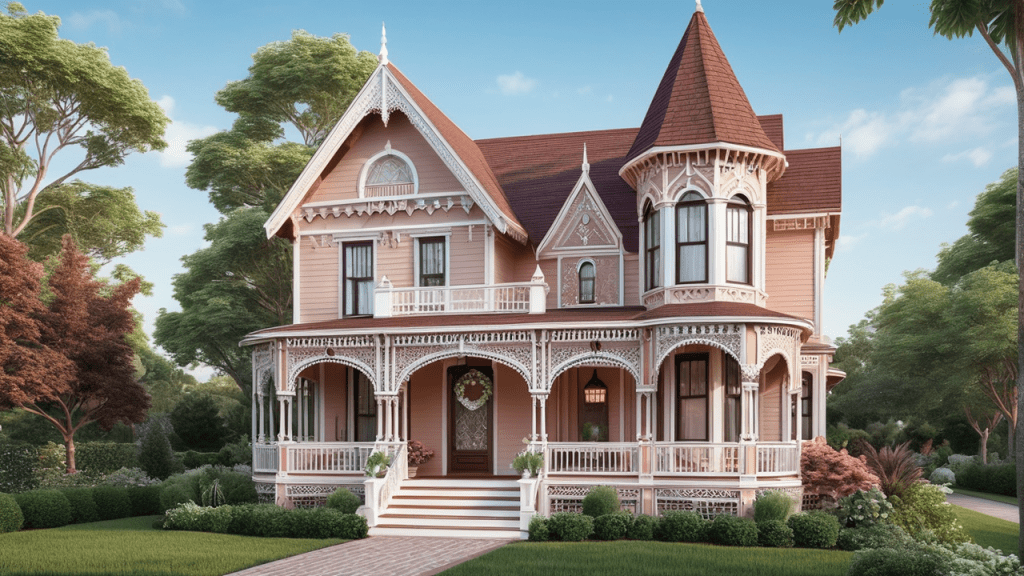
Intricately carved wooden trims, often referred to as “gingerbread,” adorn the exteriors, adding a fairy-tale quality to the homes.
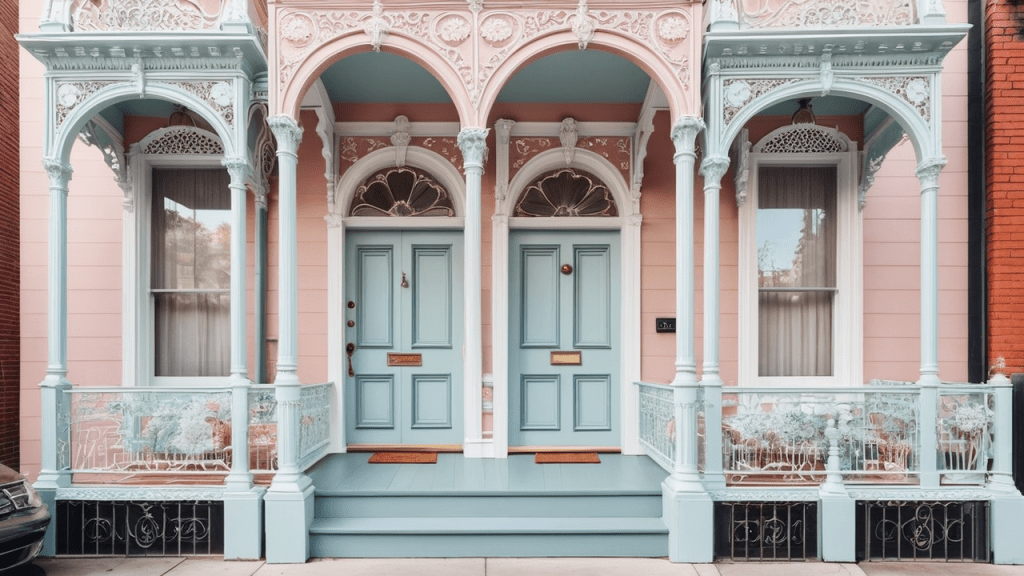
These decorative elements showcase the skill of the craftsmen who created them, with patterns ranging from delicate lace-like designs to bold, elaborate motifs.
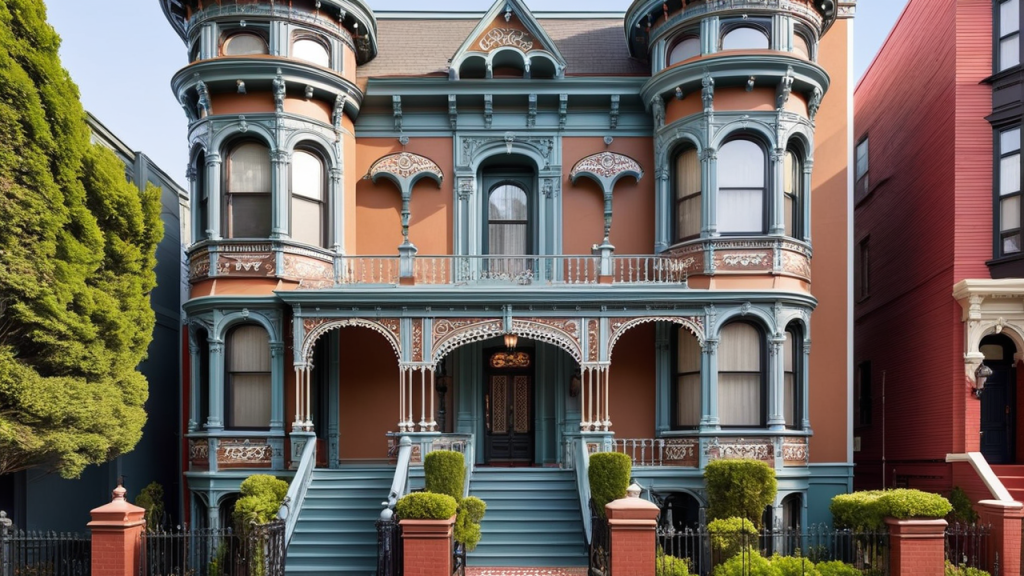
Steeply Pitched Roofs
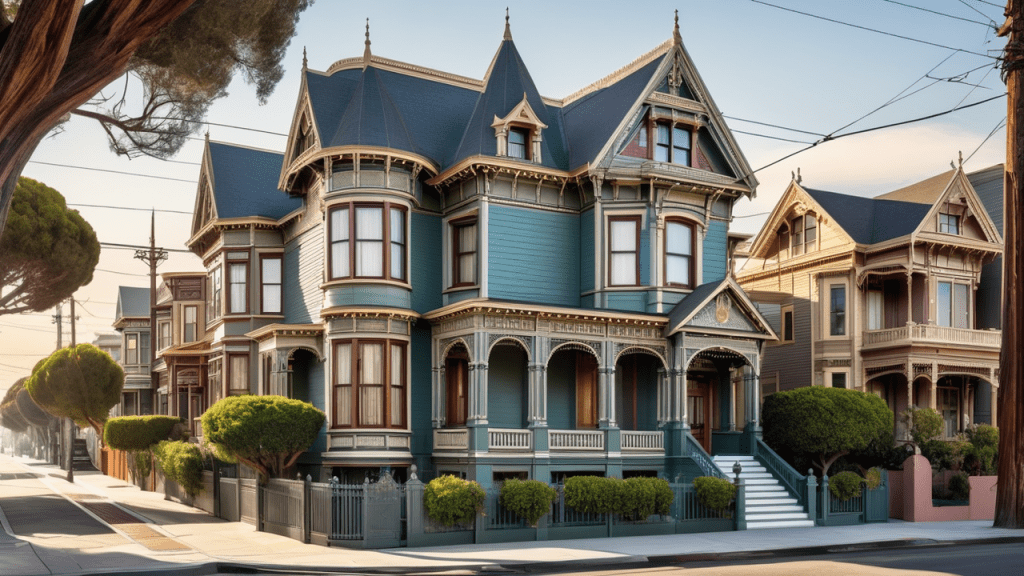
Victorian homes are known for their steeply pitched roofs, which often feature decorative shingles and finials.
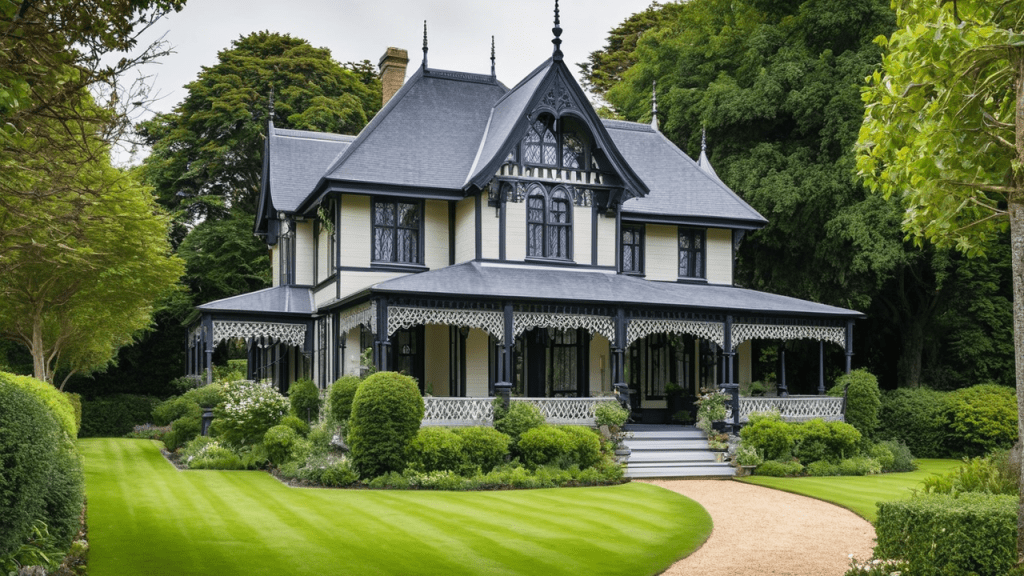
These roofs not only contribute to the dramatic silhouette of the homes but also provide practical benefits, such as shedding snow and rain more effectively.
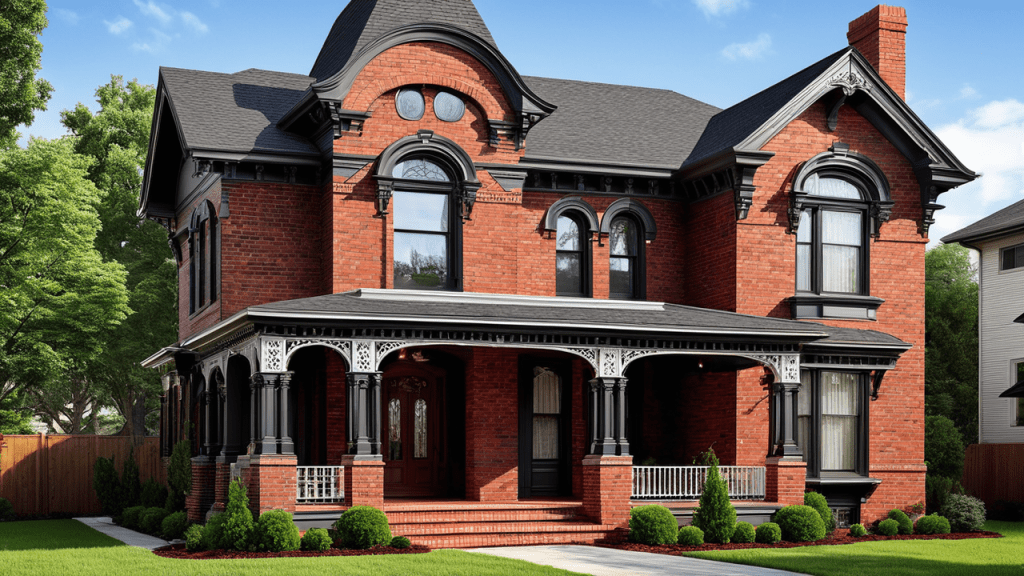
Towers and Turrets
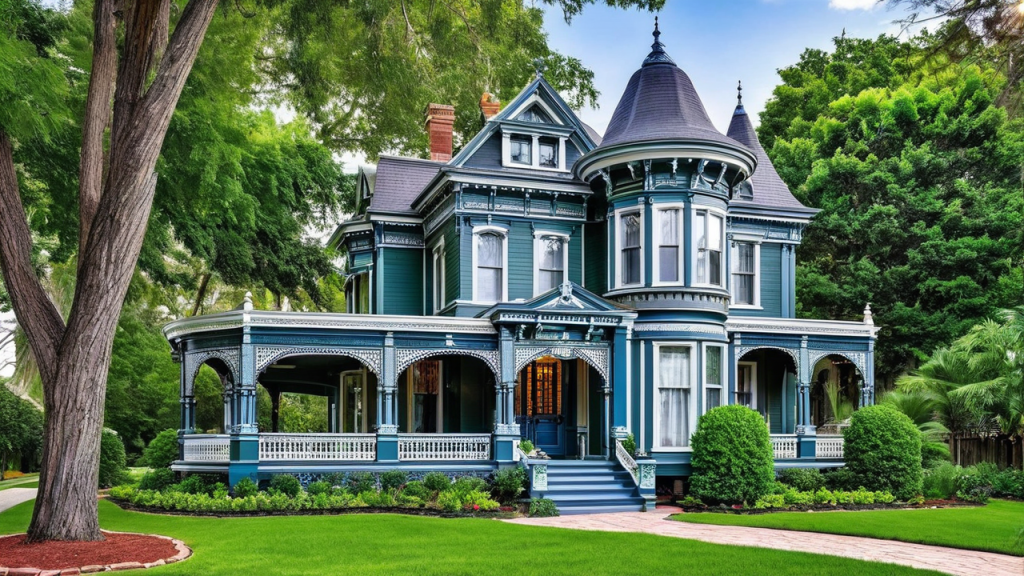
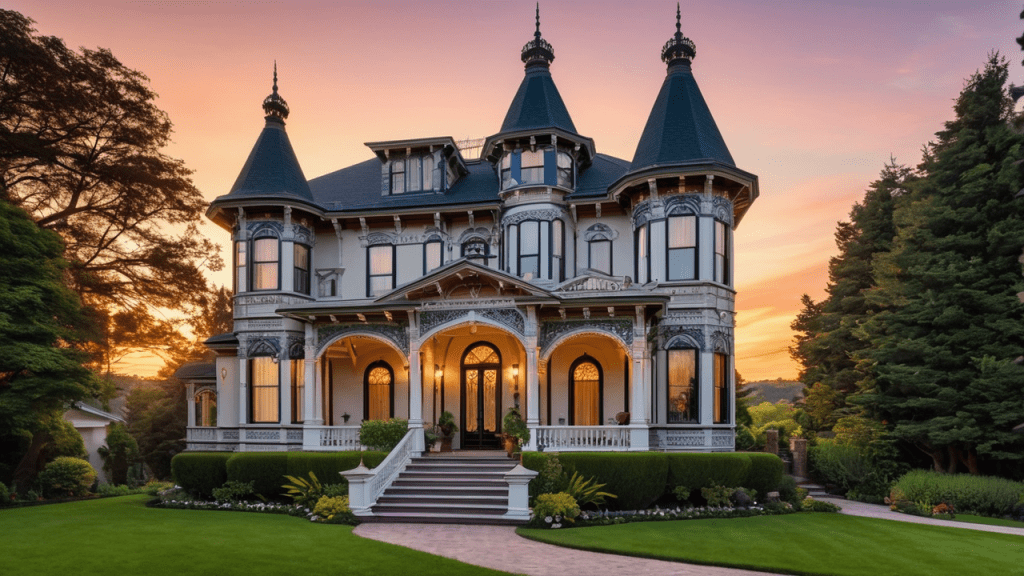
Circular or polygonal towers and turrets are common features in Victorian architecture, lending a castle-like appearance to the homes.
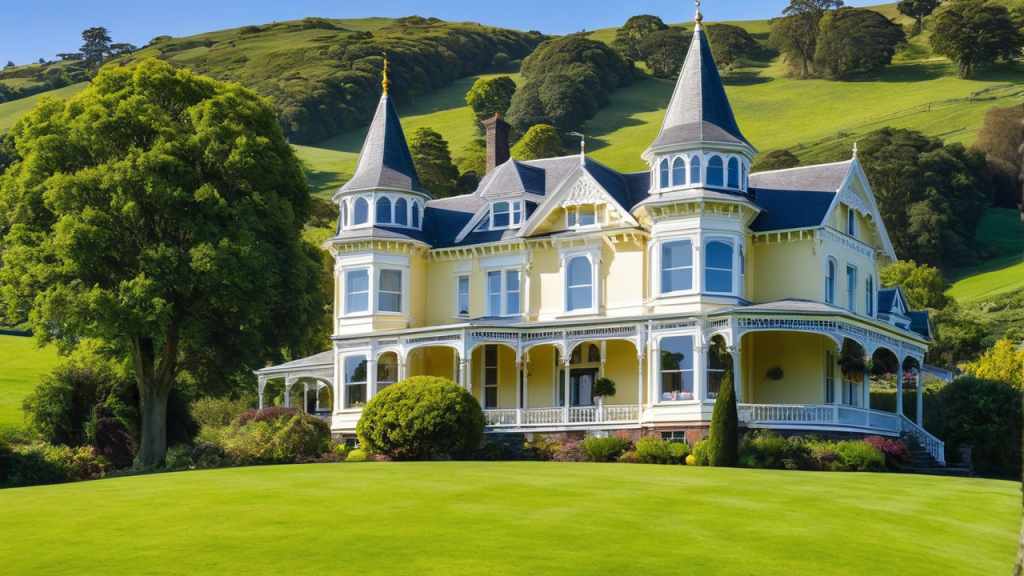
These structures add verticality and grandeur, making the homes look imposing and majestic.
Bay Windows
Large, projecting bay windows enhance the aesthetic appeal of Victorian homes while allowing plenty of natural light to flood the interiors.
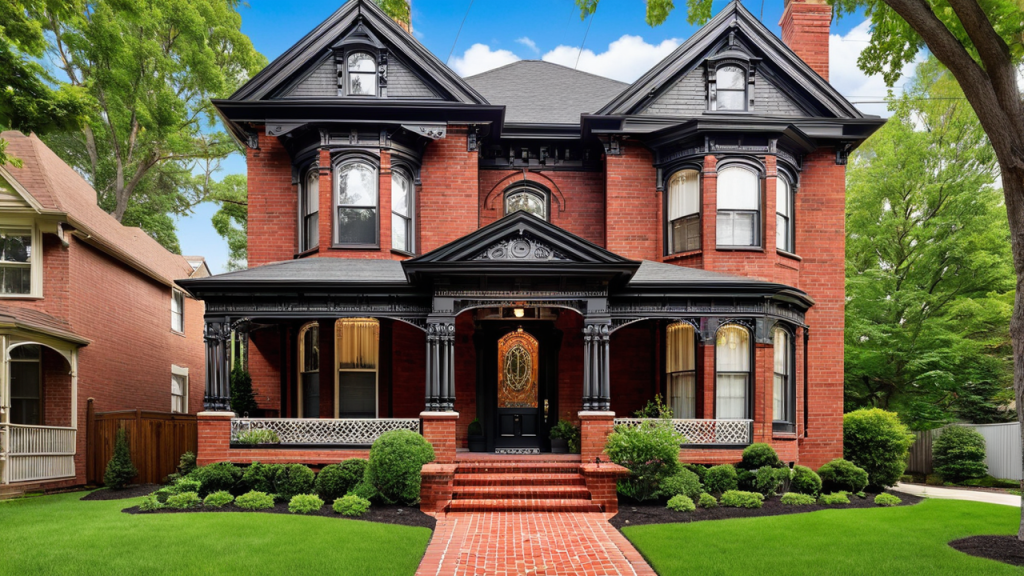
These windows often feature stained glass, adding a touch of color and artistry to the facade.
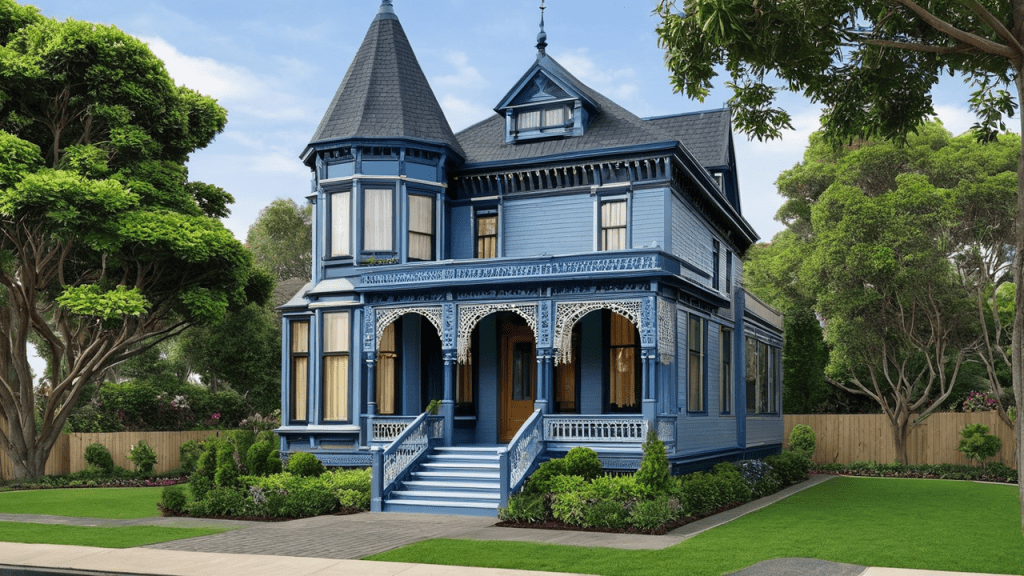
Wraparound Porches
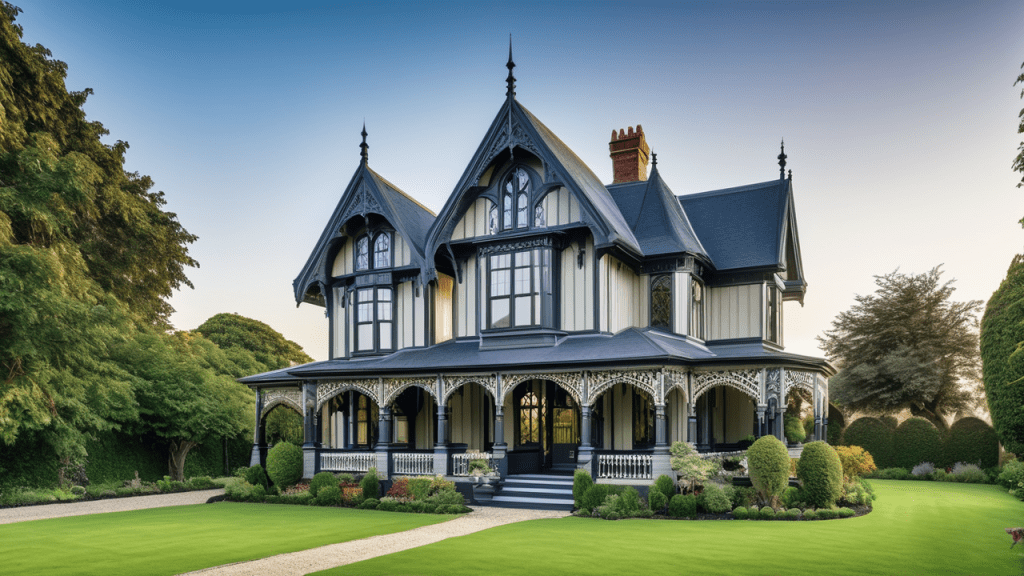
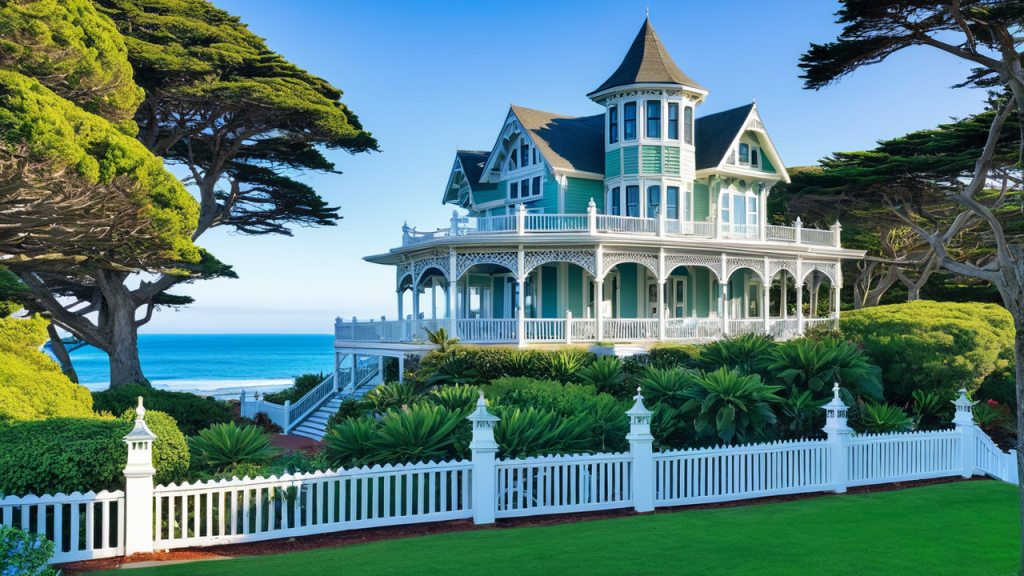
Expansive porches with detailed railings and columns provide a welcoming and charming outdoor space.
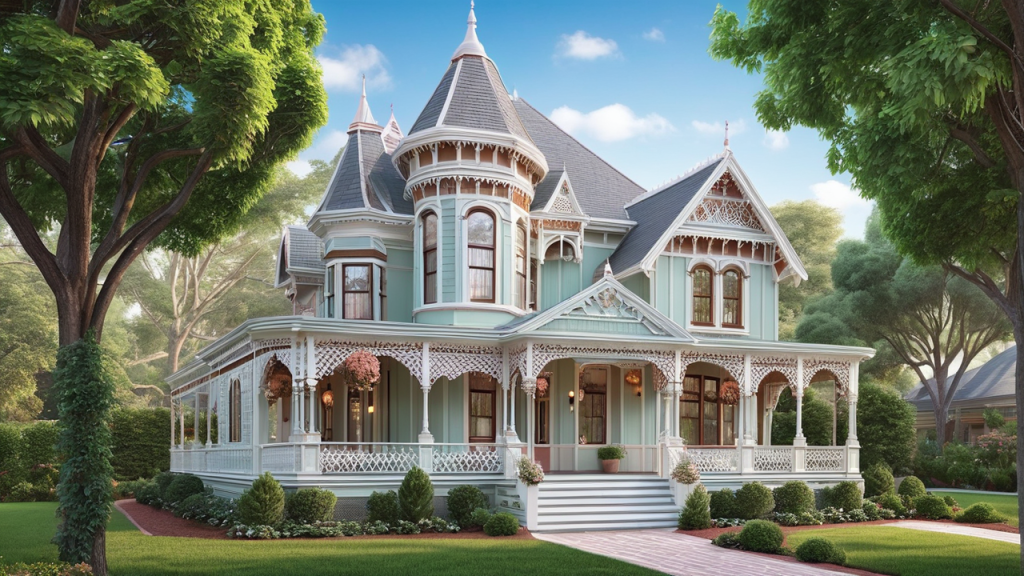
These porches are perfect for enjoying a cup of tea, entertaining guests, or simply watching the world go by.
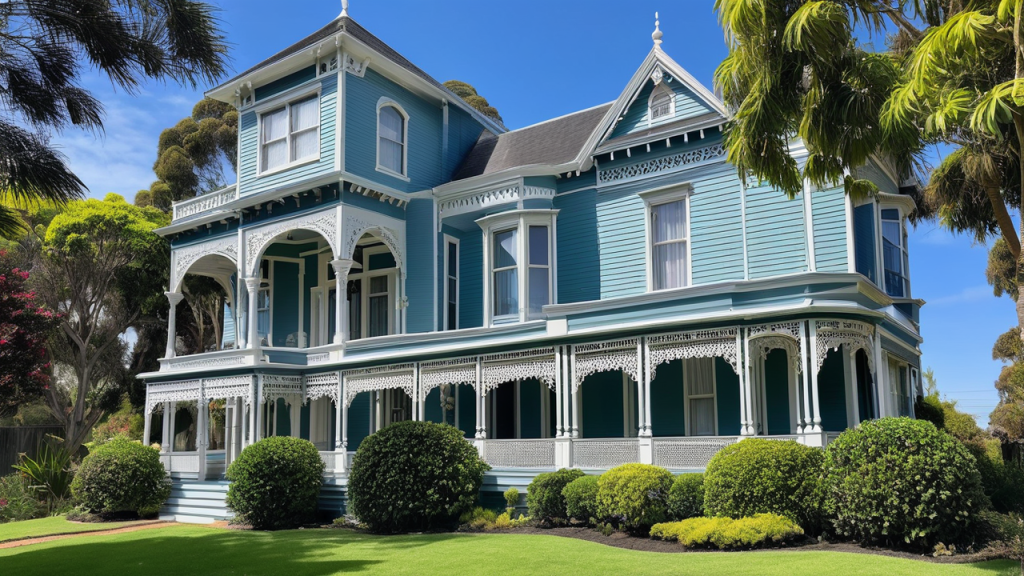
Decorative Elements
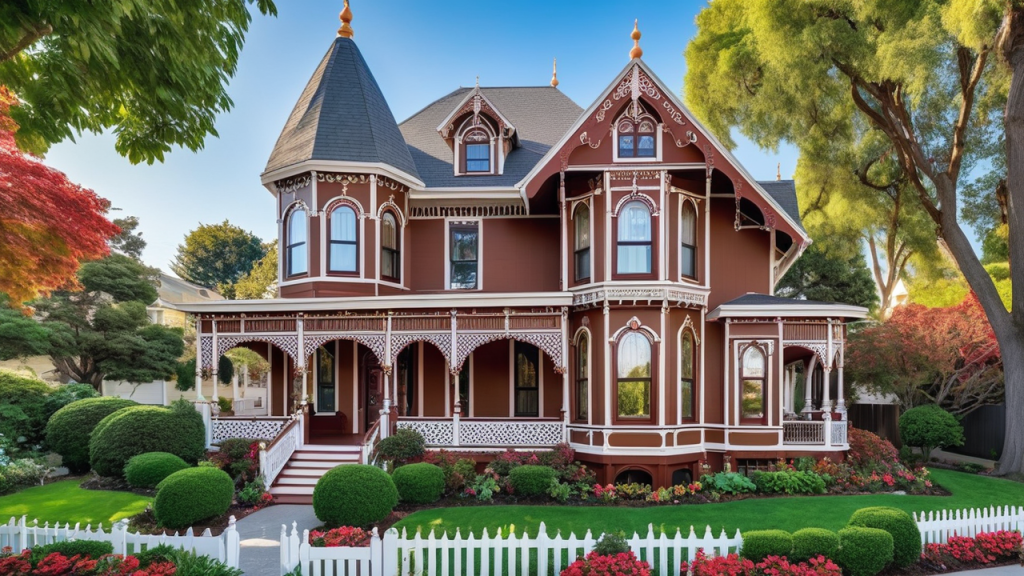
Victorian homes are adorned with a variety of decorative elements, including brackets, spindles, corbels, and friezes.
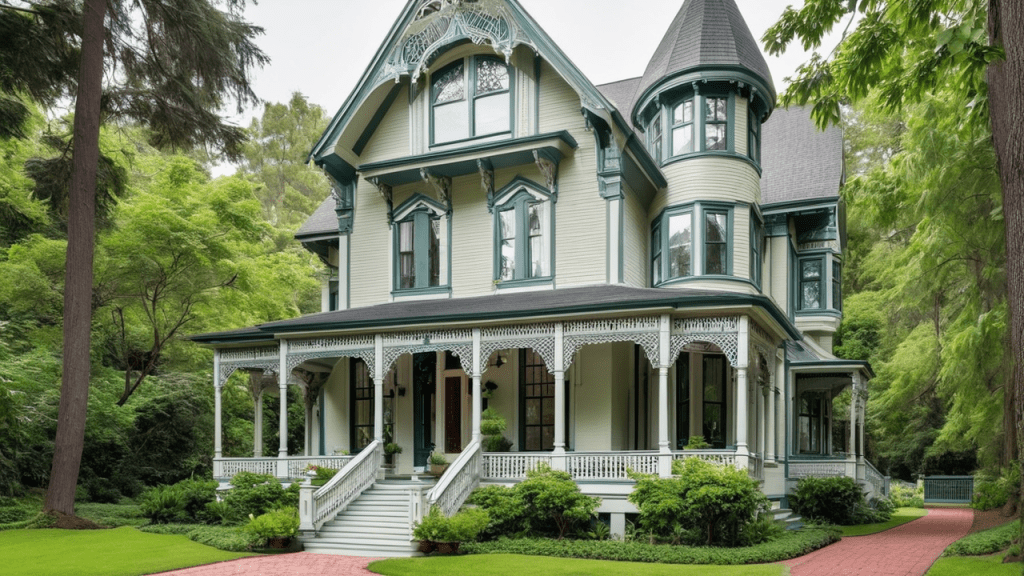
These details add texture and visual interest, making each home a unique work of art.
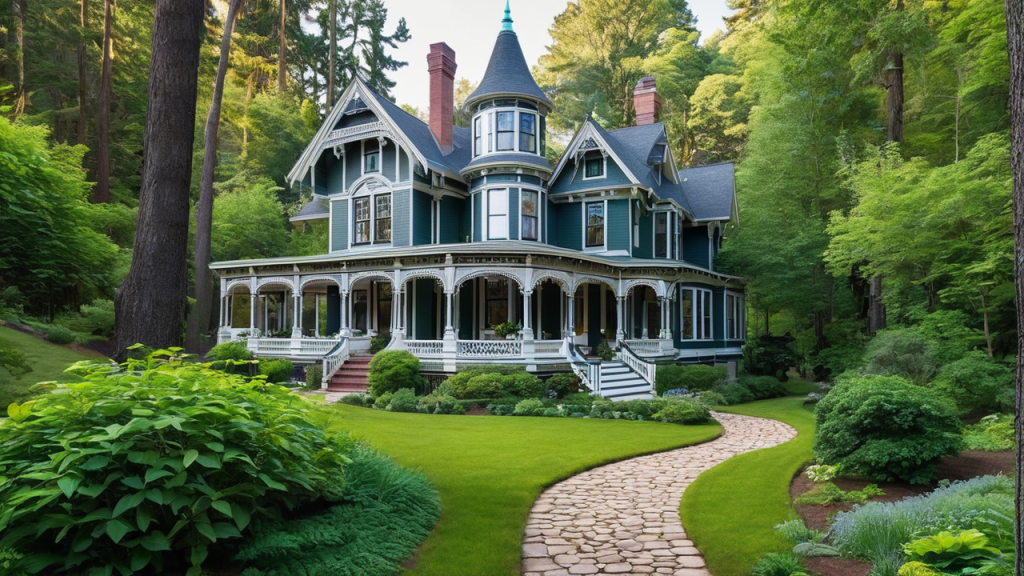
A Visual Feast: Showcasing Victorian Homes
In the following sections, we’ll explore a selection of stunning Victorian homes, each exemplifying the beauty and charm of this architectural style. With each description, imagine the intricate details and grand designs that make these homes stand out.
Victorian Gothic Revival
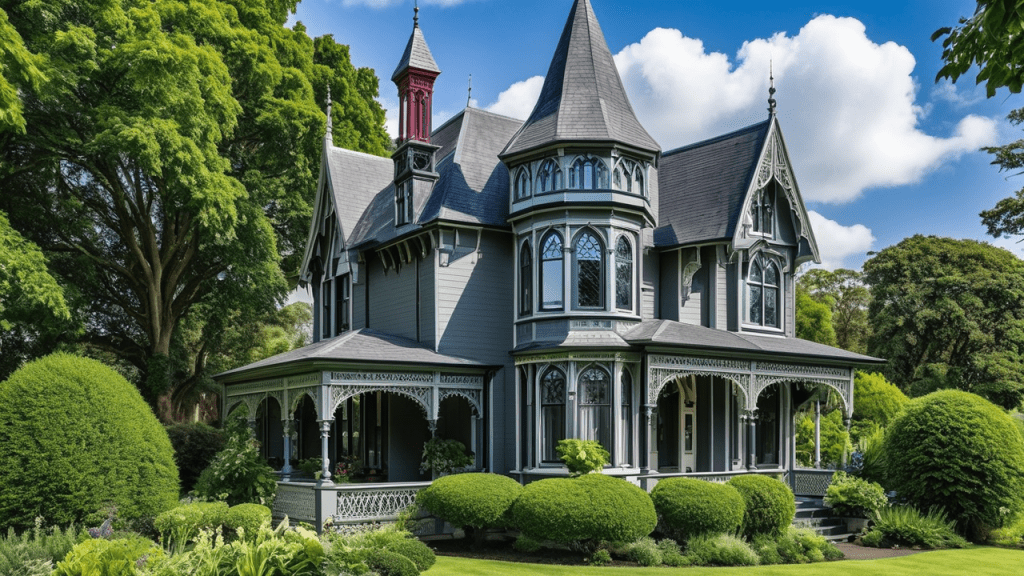
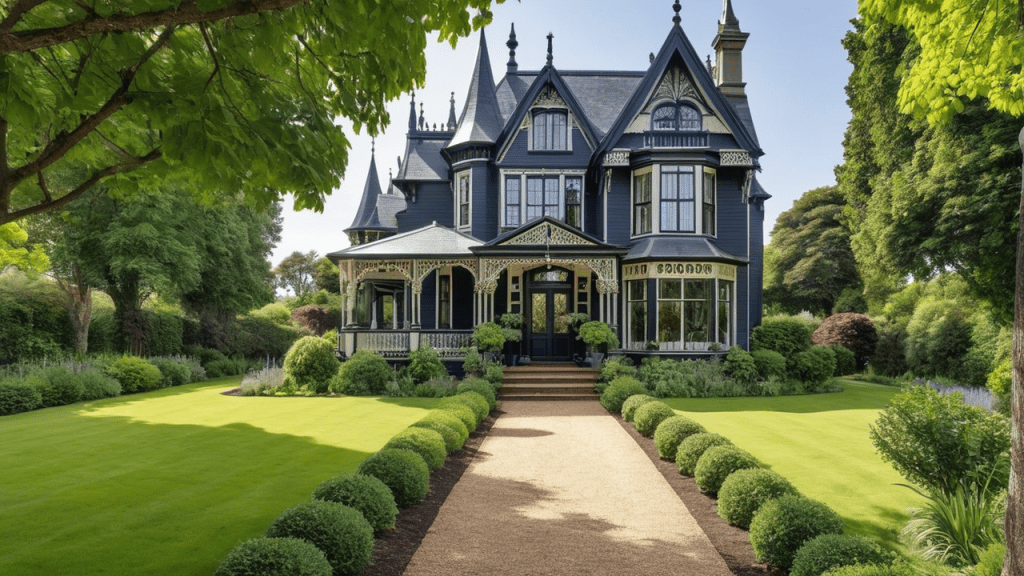
Gothic Revival Victorian homes are characterized by their pointed arches, steep gables, and intricate tracery. These homes often resemble small cathedrals, with features such as lancet windows, quatrefoils, and elaborate wooden or stone carvings.
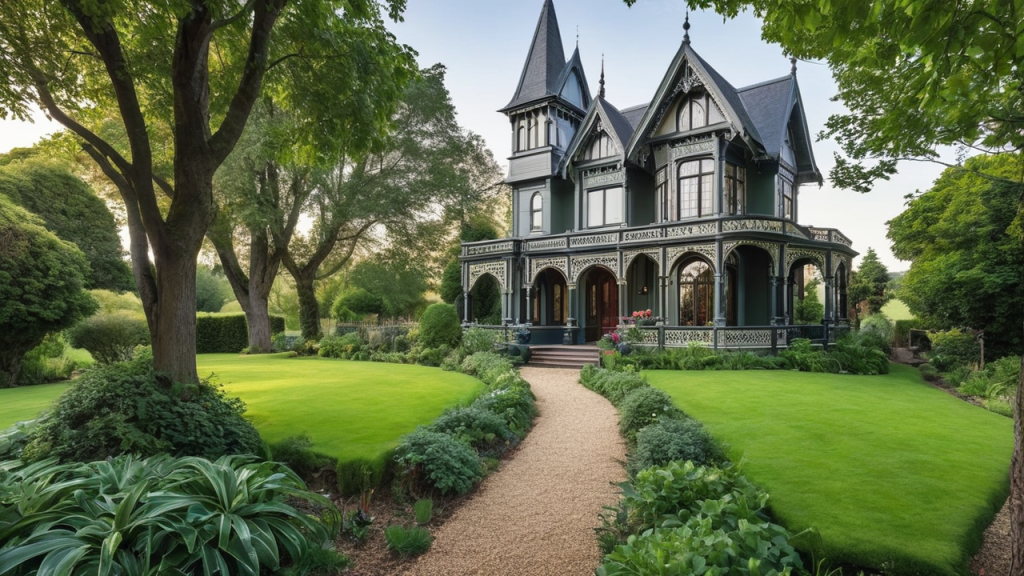
The dark, moody exteriors are balanced by the light that streams through the stained glass windows, creating a magical ambiance.
Italianate Victorian
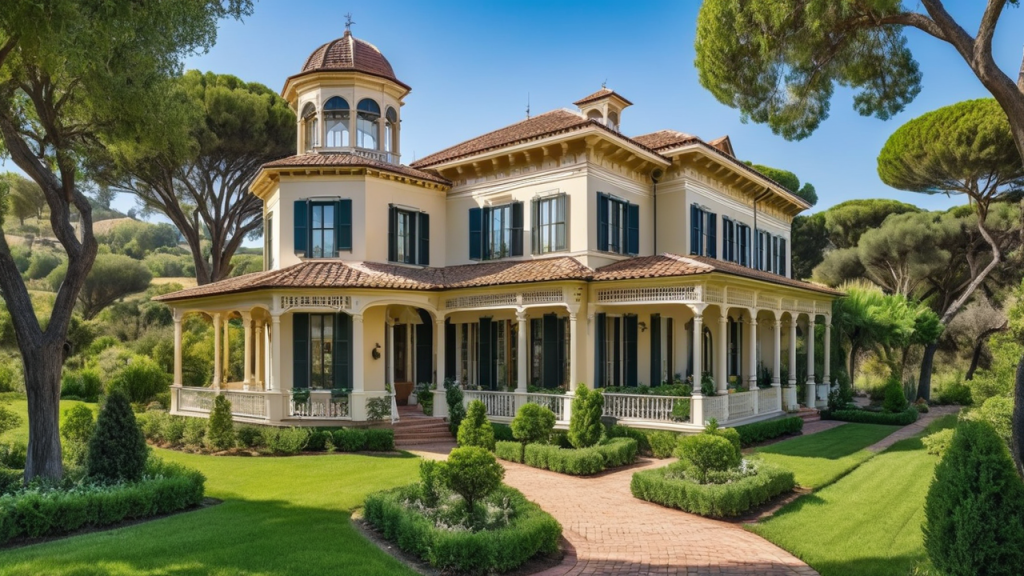
Italianate Victorian homes draw inspiration from the villas of Italy, featuring low-pitched or flat roofs, wide eaves with decorative brackets, and tall, narrow windows.
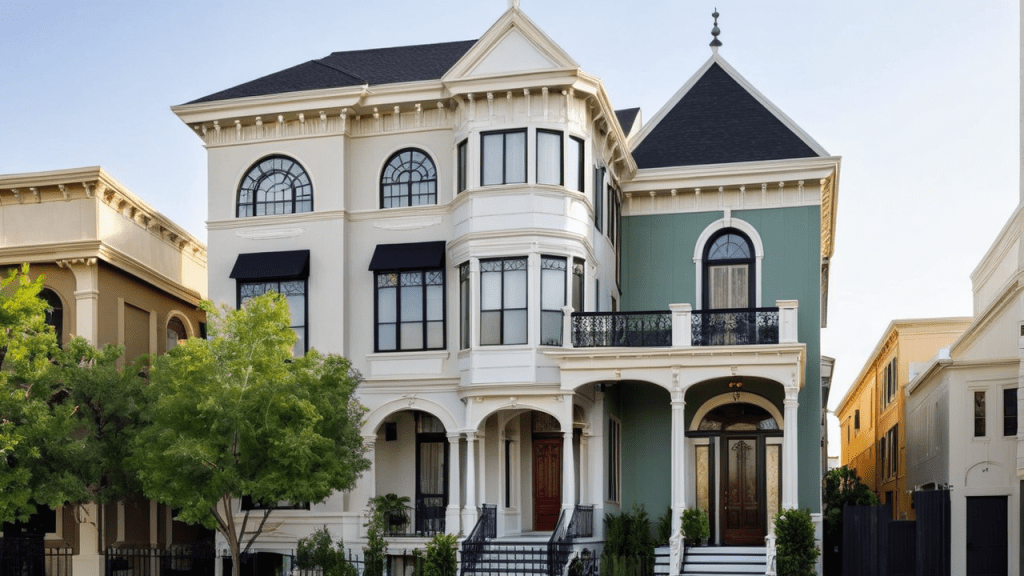
These homes often have cupolas or belvederes, adding a touch of elegance and grandeur. The facades are typically adorned with intricate moldings and cornices, showcasing the craftsmanship of the era.
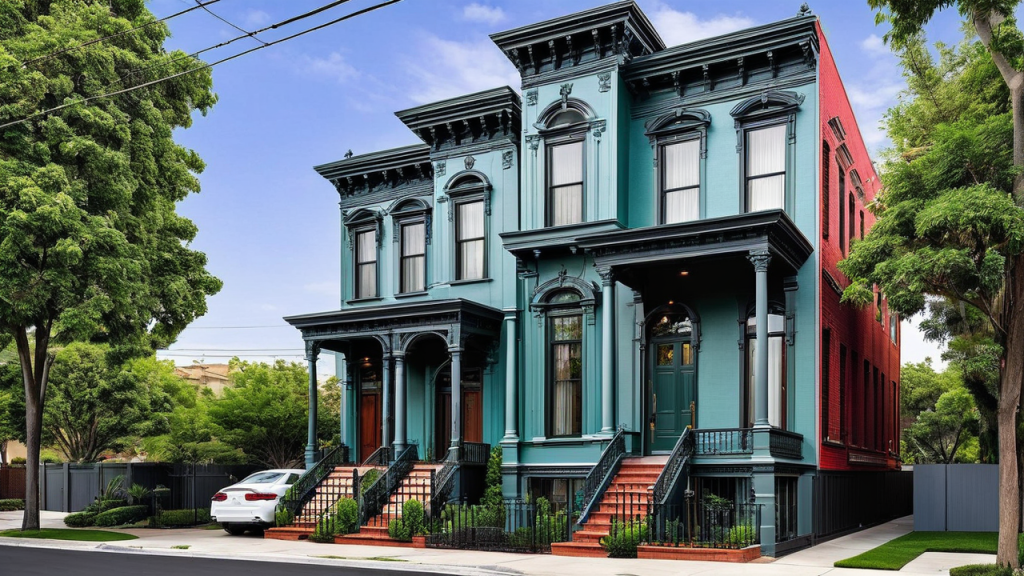
Second Empire Victorian
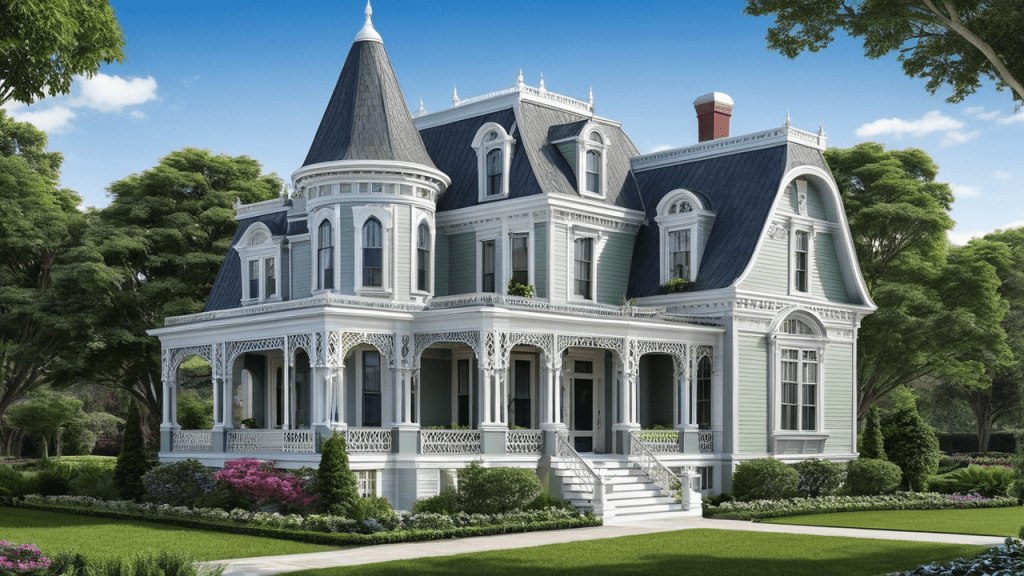
Second Empire Victorian homes are easily recognized by their mansard roofs, which create an additional living space in the attic.
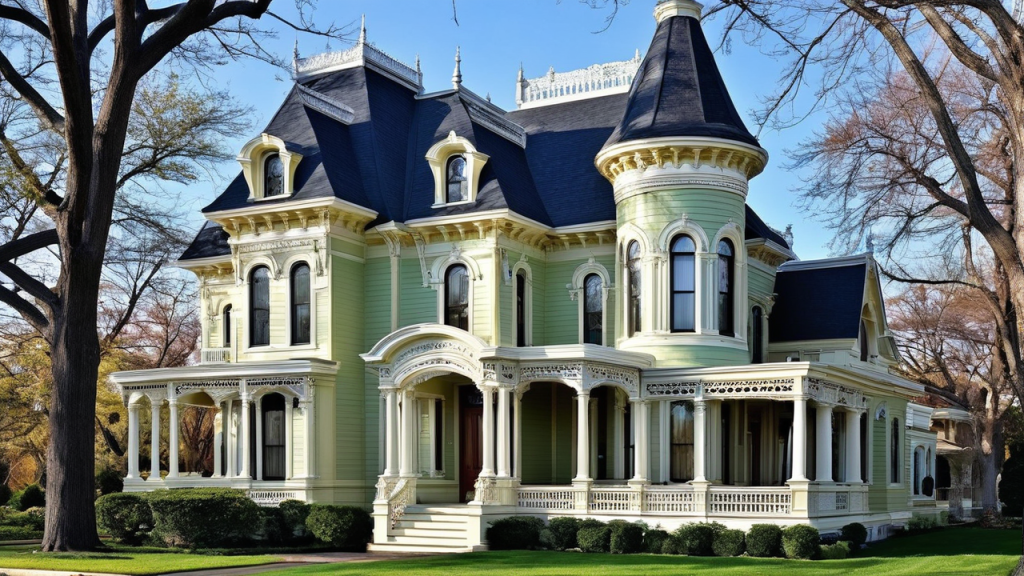
These homes often feature dormer windows, elaborate cornices, and decorative iron cresting. The symmetrical facades and grandiose proportions give these homes a stately appearance, reminiscent of the opulent buildings of Paris.
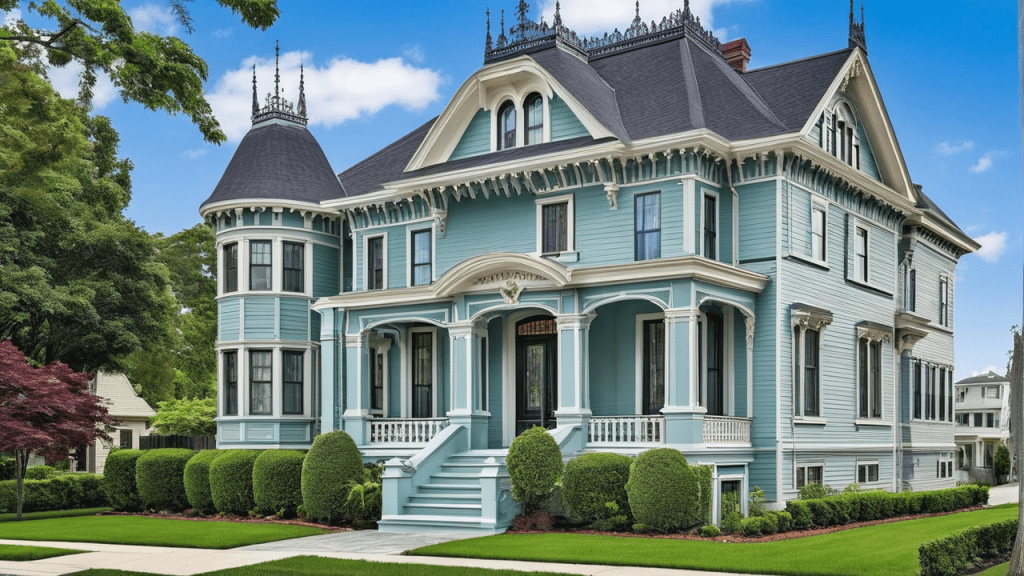
Stick-Eastlake Victorian
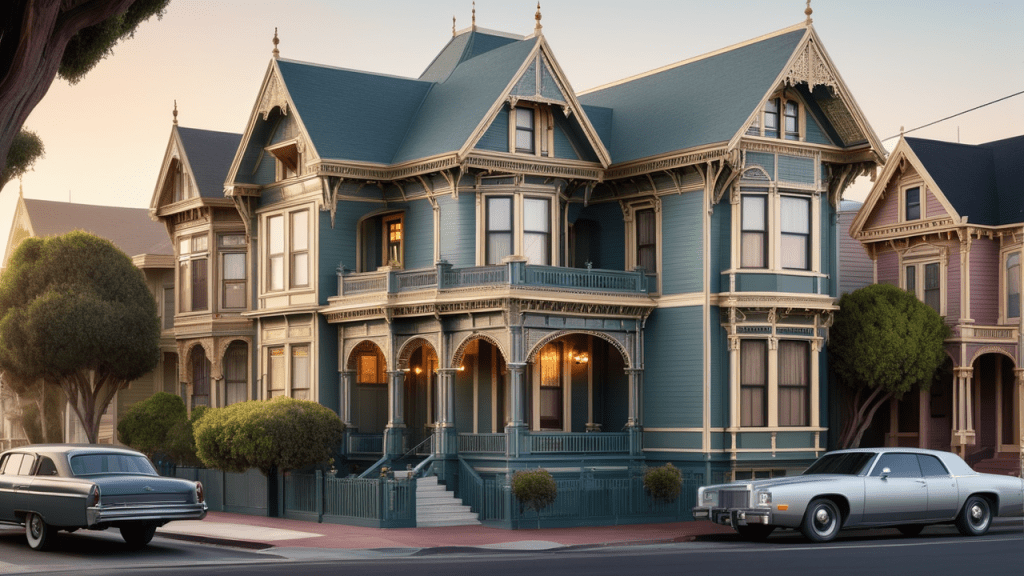
Stick-Eastlake Victorian homes emphasize the structural elements of the building, with exposed wooden beams, trusses, and braces. The decorative details often include spindlework, sunburst motifs, and geometric patterns.
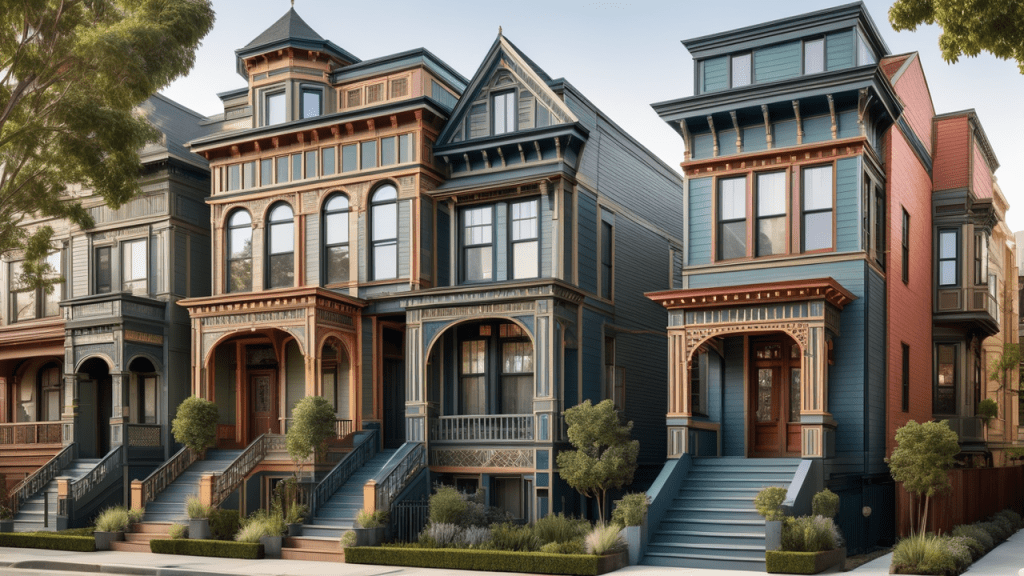
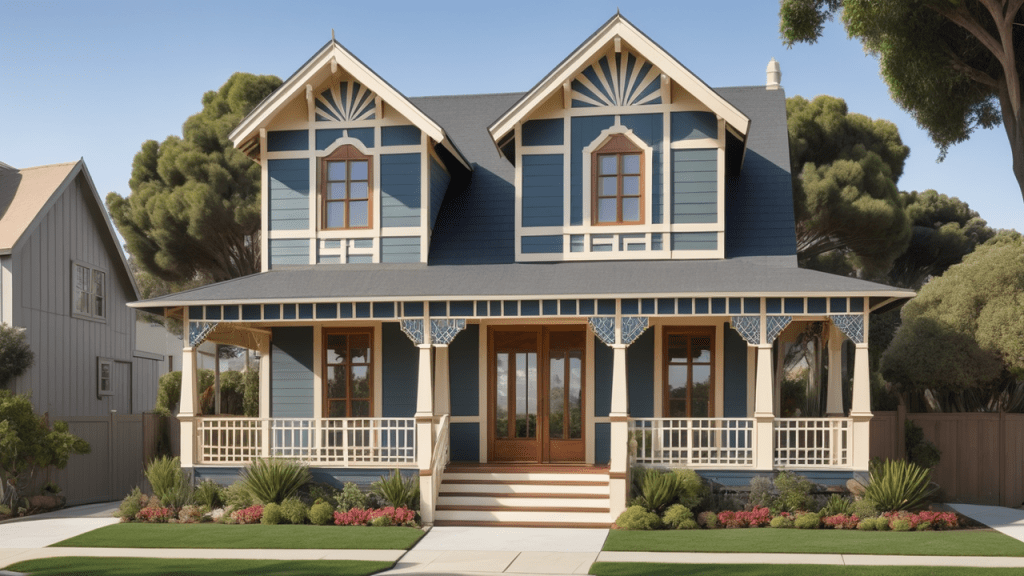
These homes have a more rustic, yet highly detailed, appearance, blending both form and function in their design.
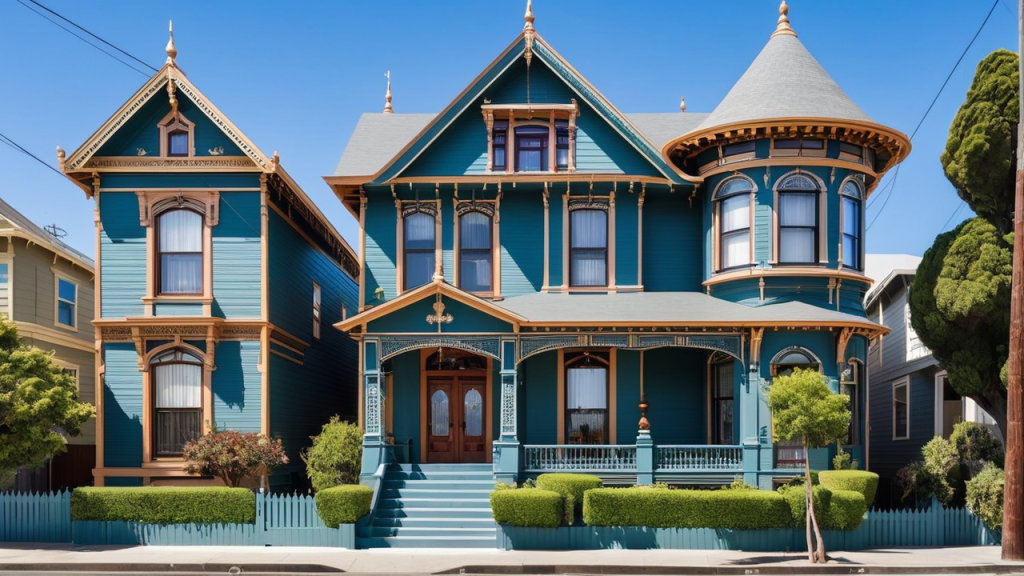
Queen Anne Victorian
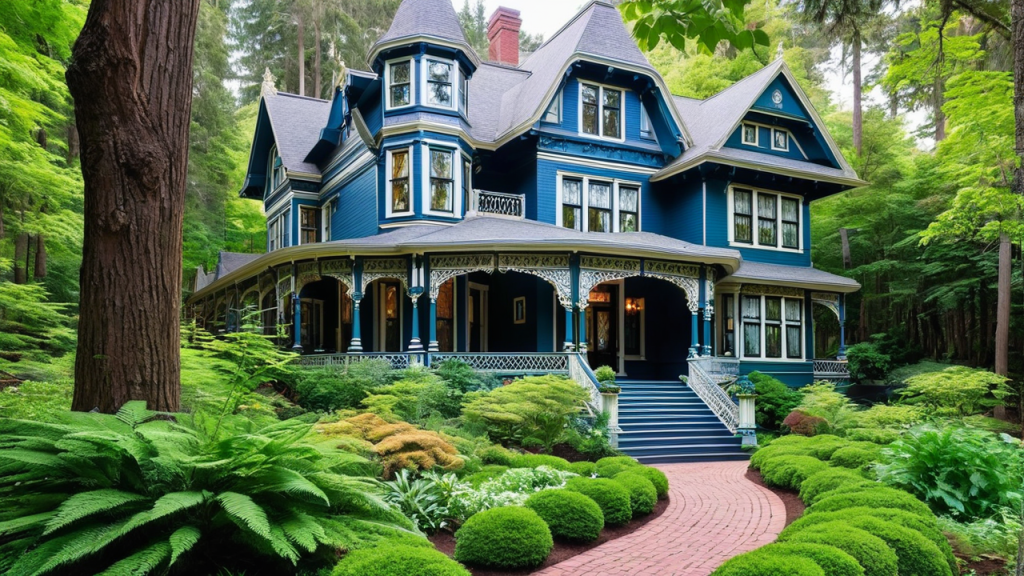
Queen Anne Victorian homes are perhaps the most ornate and eclectic of all the Victorian styles. These homes feature asymmetrical facades, a variety of textures and materials, and an abundance of decorative elements.
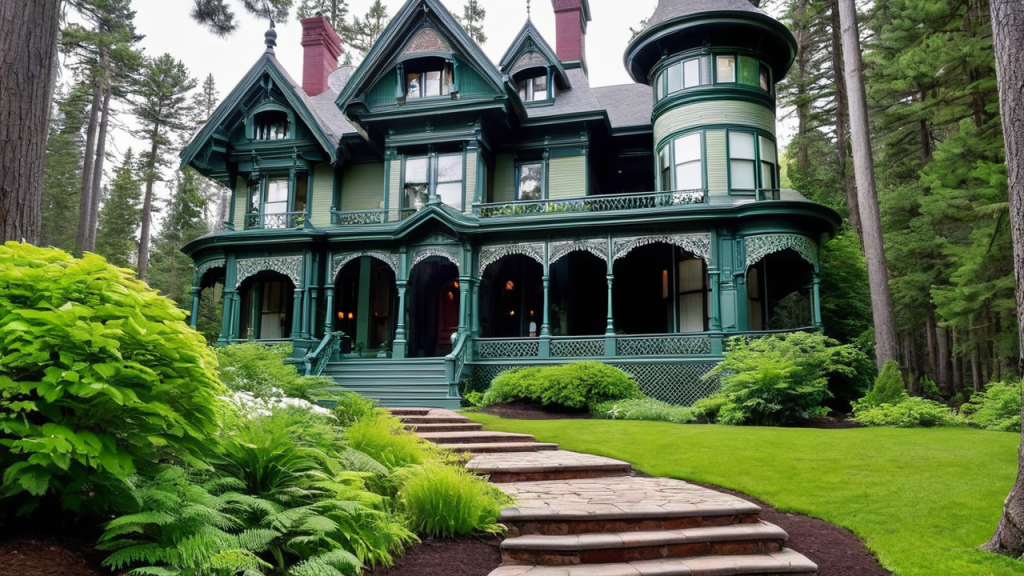
Towers, turrets, wraparound porches, and bay windows are common features, along with elaborate trim and vibrant paint schemes. The playful and whimsical nature of Queen Anne homes makes them a true feast for the eyes.
The Timeless Appeal of Victorian Homes
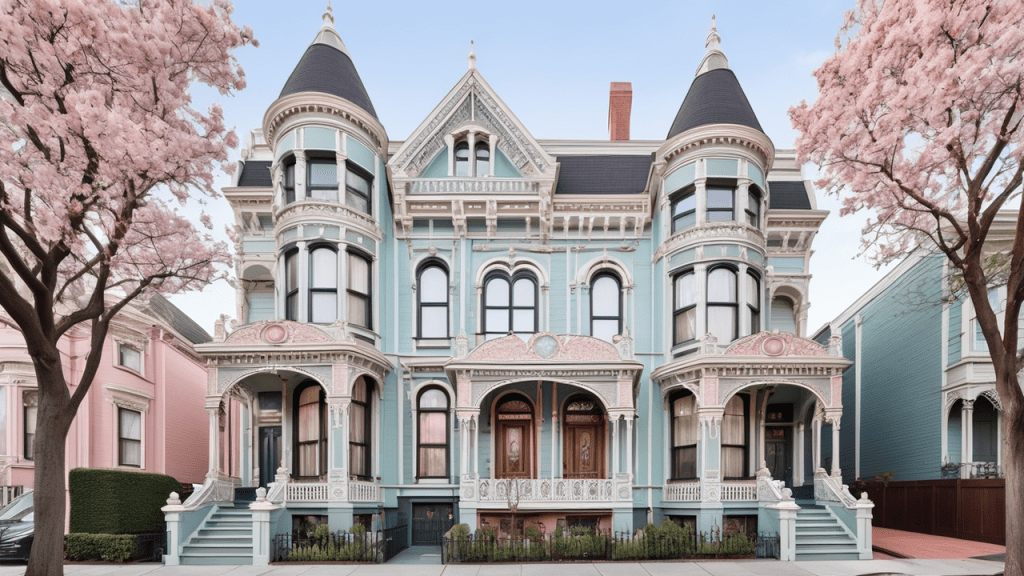
Victorian homes continue to captivate people today, not only for their beauty but also for their historical significance. These homes tell stories of a bygone era, reflecting the tastes, values, and technological advancements of the time. The attention to detail and craftsmanship that went into creating these homes is a testament to the skill and dedication of the artisans who built them.
Restoring and preserving Victorian homes has become a labor of love for many homeowners and preservationists. The process of bringing these homes back to their former glory involves careful research, skilled craftsmanship, and a deep appreciation for the historical significance of the architecture. Whether meticulously restored or lovingly maintained, Victorian homes remain a cherished part of our architectural heritage.
Conclusion
Victorian homes, with their intricate details and grand facades, represent a unique and enchanting period in architectural history. The blend of Gothic, Italianate, and Queen Anne styles creates a rich tapestry of design elements that continue to captivate and inspire. As we celebrate the timeless charm of Victorian homes, let us appreciate the artistry, craftsmanship, and history that make these homes truly special.

 YourHomeInspirations
Leave a comment