
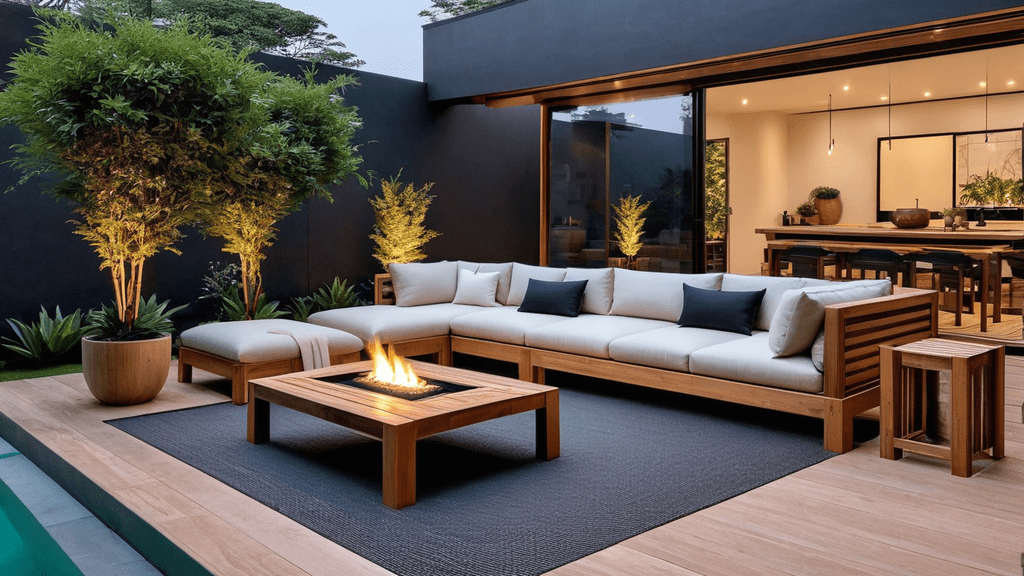
Japandi decor style is a harmonious blend of Japanese and Scandinavian design philosophies, emphasizing simplicity, natural elements, and a tranquil, cozy atmosphere. This style has gained popularity for its unique ability to combine the best of both worlds: the warm, minimalist approach of Scandinavian design with the traditional elegance and functionality of Japanese aesthetics. Here’s a deeper look into the key features and principles of Japandi decor:
Minimalism and Functionality
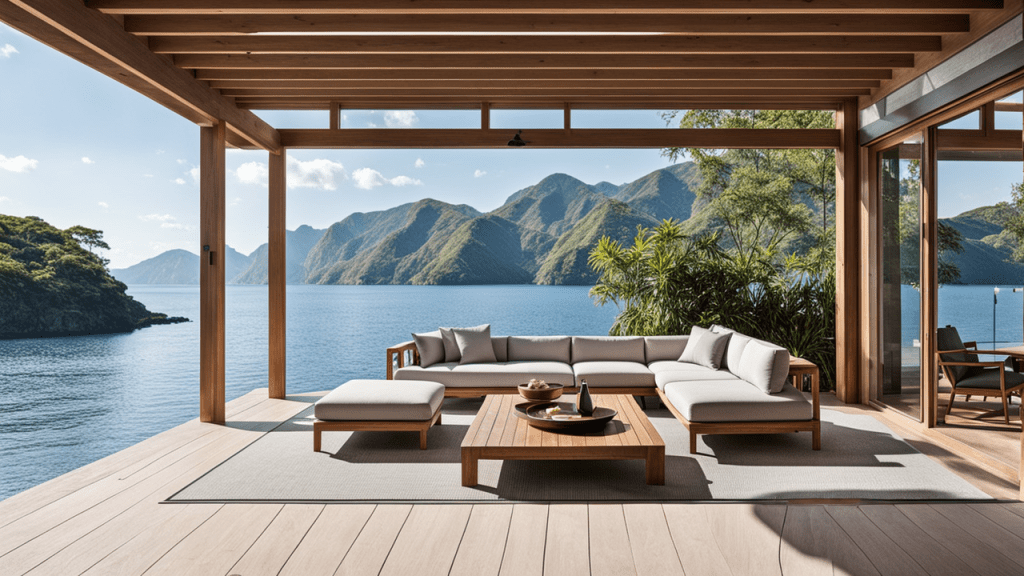
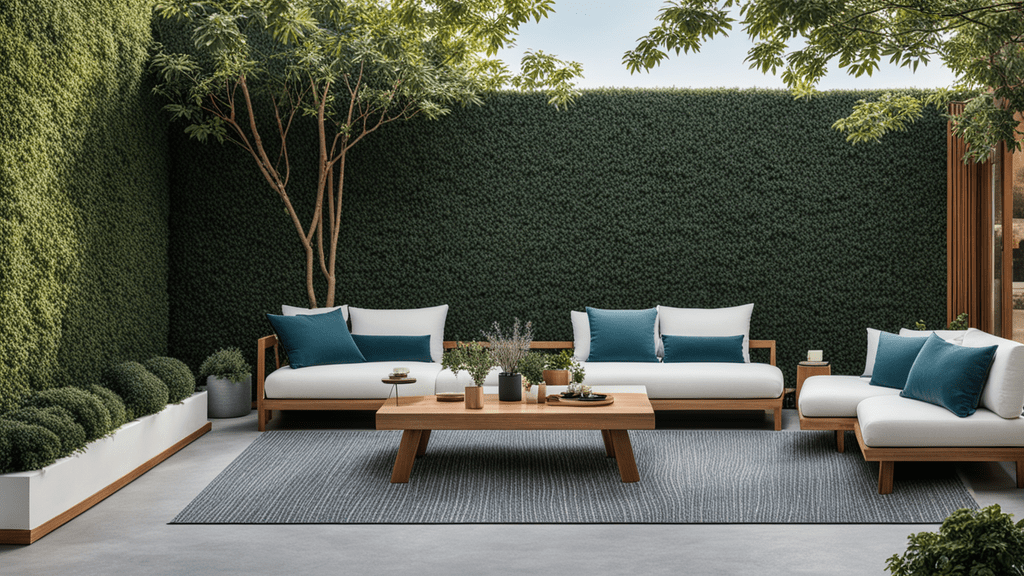
- Both Japanese and Scandinavian designs prioritize minimalism and functionality. In Japandi style, every piece of furniture and decor is chosen with purpose and is intended to serve both a functional and aesthetic role. This results in uncluttered spaces that are both practical and visually calming.
Natural Materials
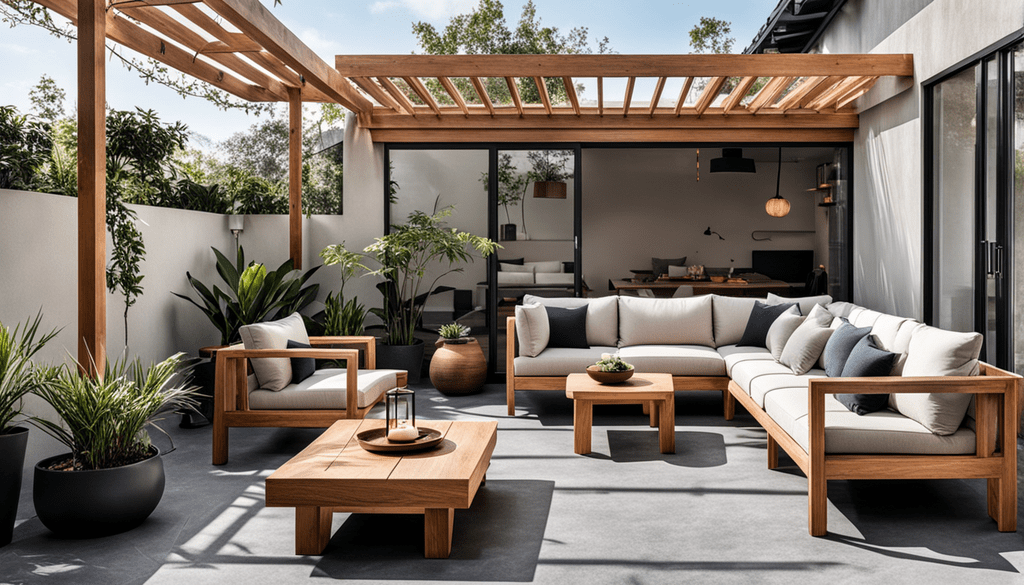
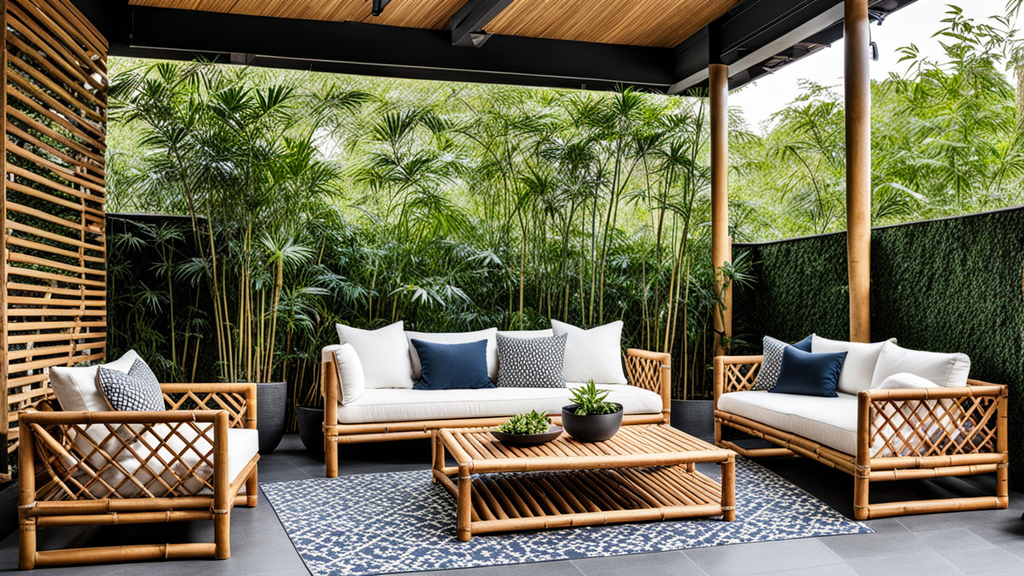
- Japandi spaces emphasize the use of natural materials to create a connection with nature. Wood, bamboo, stone, and textiles like cotton and wool are common. These materials are selected for their quality and sustainability, as well as their ability to age gracefully, adding character to the space over time.
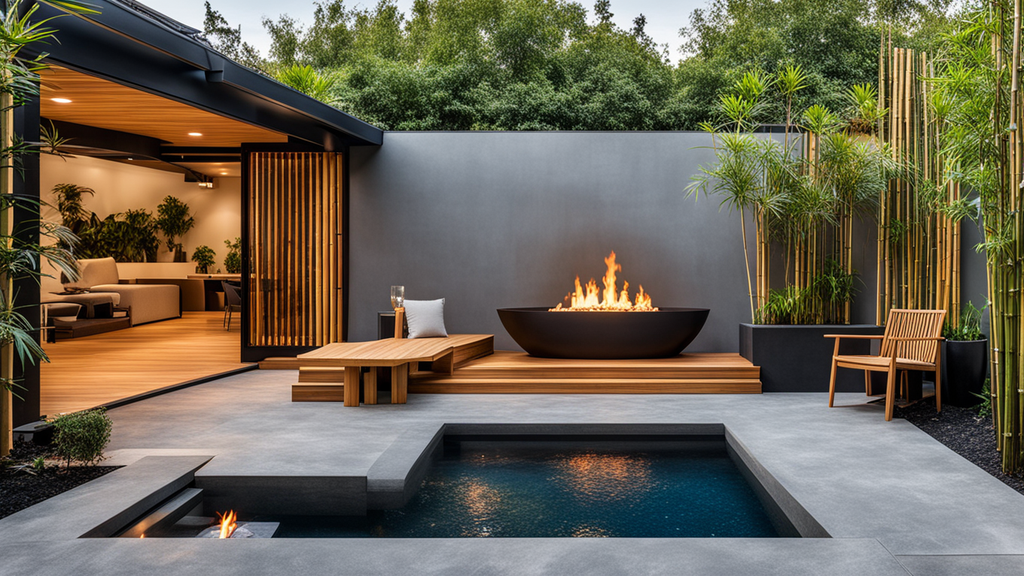
Neutral Color Palette
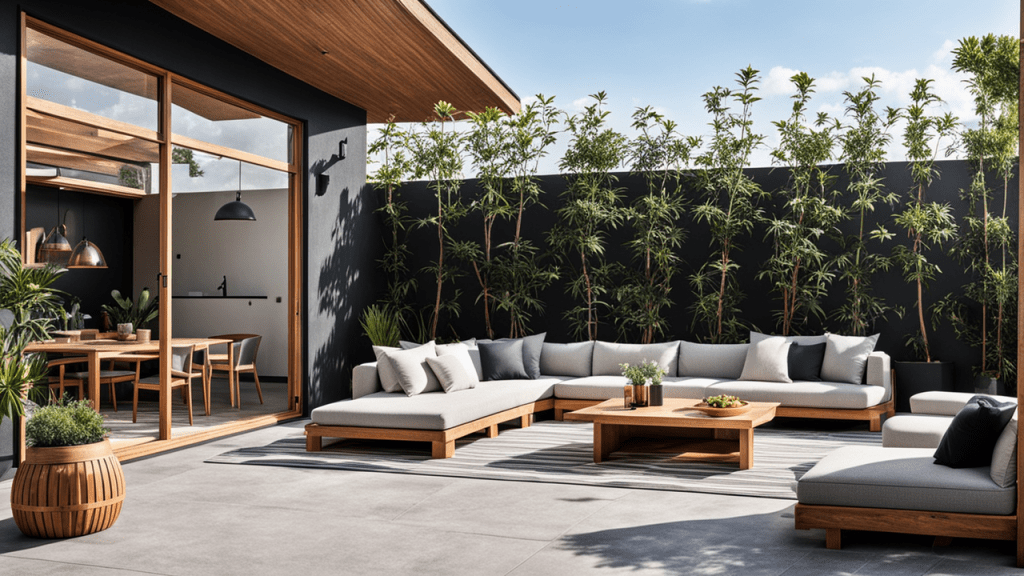
- The color scheme in Japandi decor is typically muted, focusing on neutral and earthy tones. This creates a serene and calming environment that’s easy on the eyes. Accents may include pastel hues or the deep, rich colors found in traditional Japanese design, used sparingly to add depth and interest.
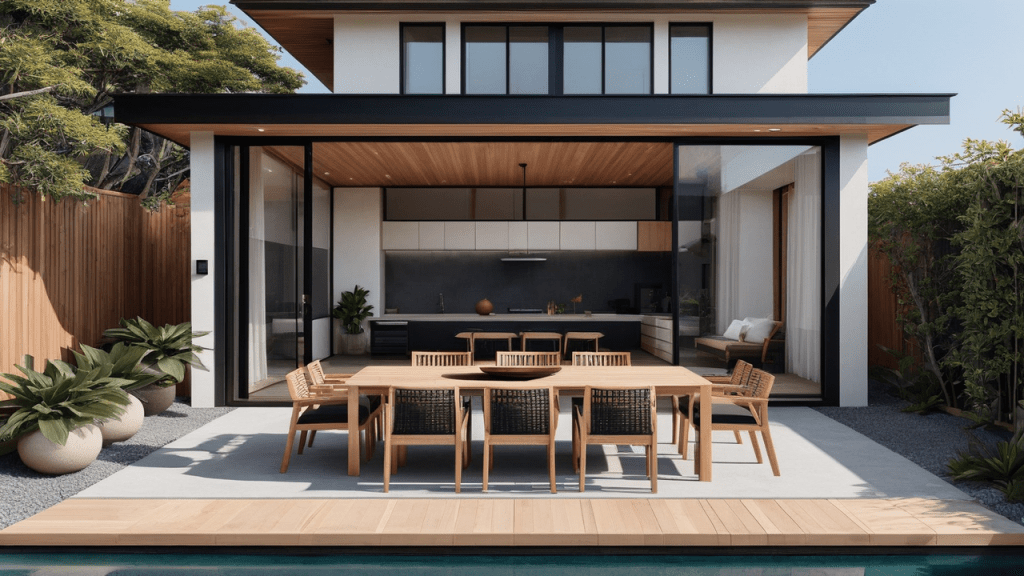
Clean Lines and Forms
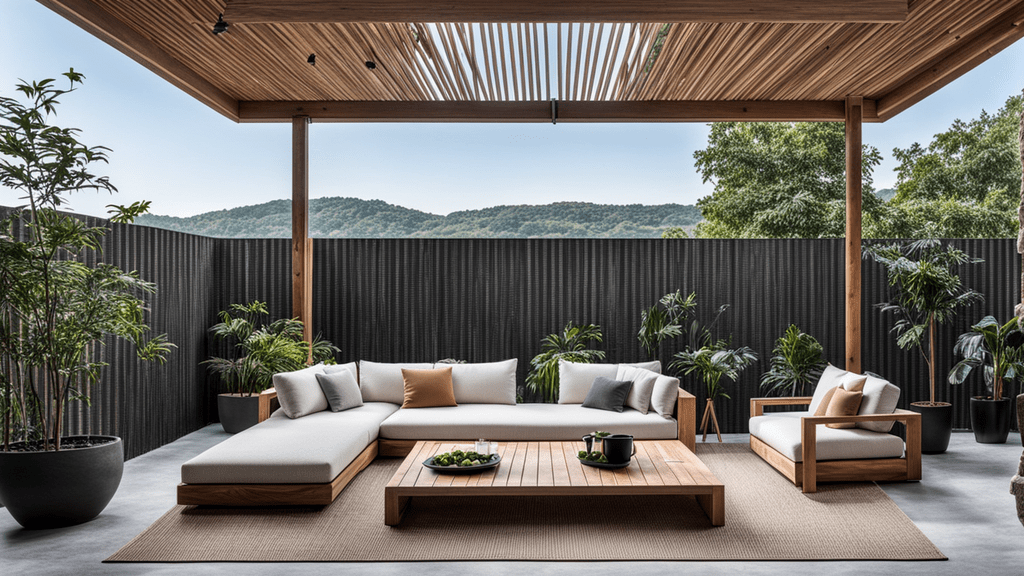
- Furniture and decor in the Japandi style showcase clean lines and simple forms, reflecting both the Scandinavian appreciation for modernism and the Japanese principle of wabi-sabi, which finds beauty in imperfection and simplicity. This leads to spaces that feel open, airy, and peaceful.
Emphasis on Craftsmanship
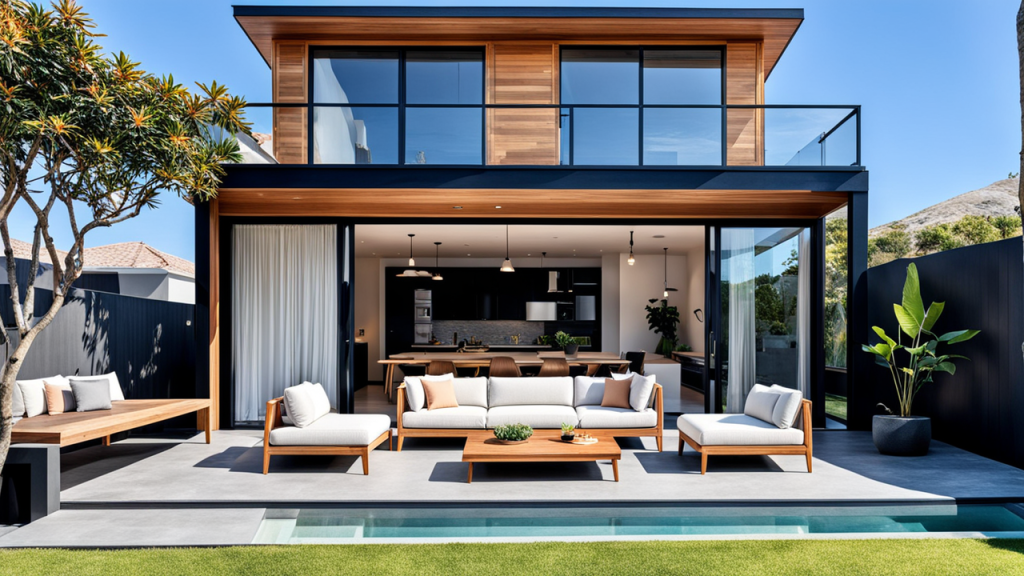
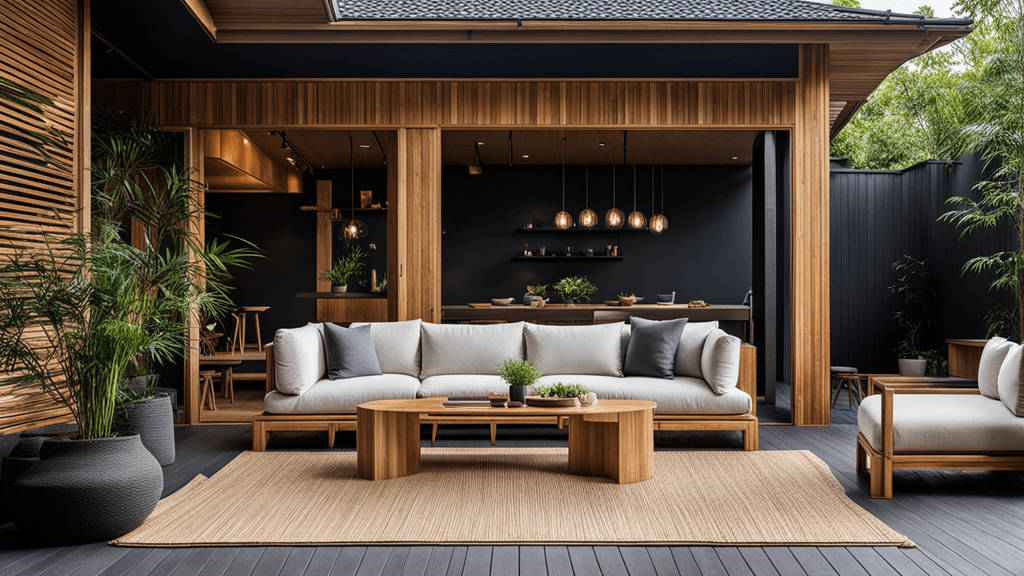
- High-quality craftsmanship is a cornerstone of the Japandi style, with a preference for handmade or artisan pieces over mass-produced items. This emphasis on craftsmanship celebrates the skill and effort behind each item, adding a sense of warmth and authenticity to the decor.
Light and Space
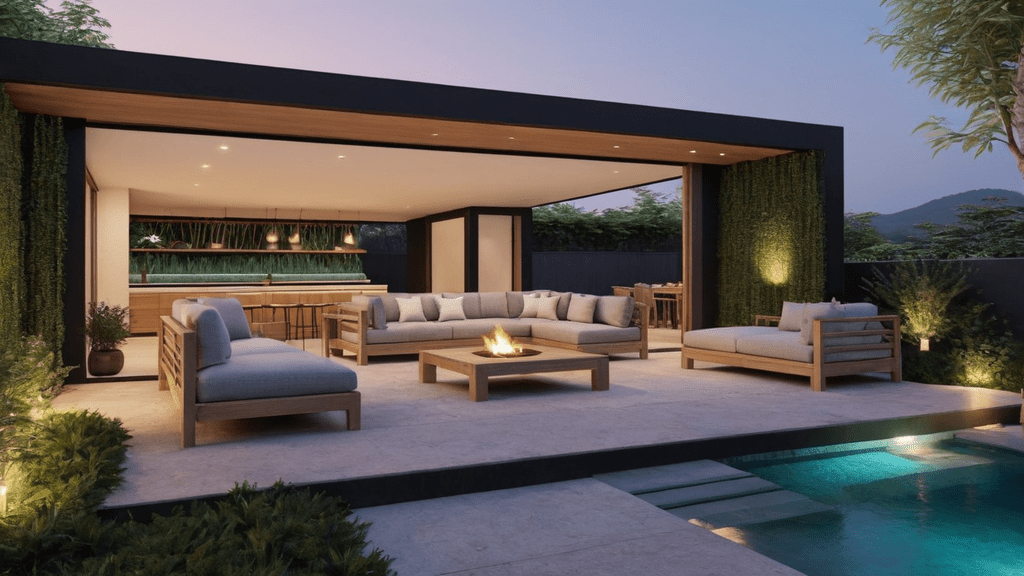
- Maximizing natural light and creating a sense of openness are important in Japandi design. Large windows, glass doors, and strategically placed mirrors help to enhance the sense of space and bring the outdoors in, a key aspect of both Scandinavian and Japanese designs.
Blend of Tradition and Modernity
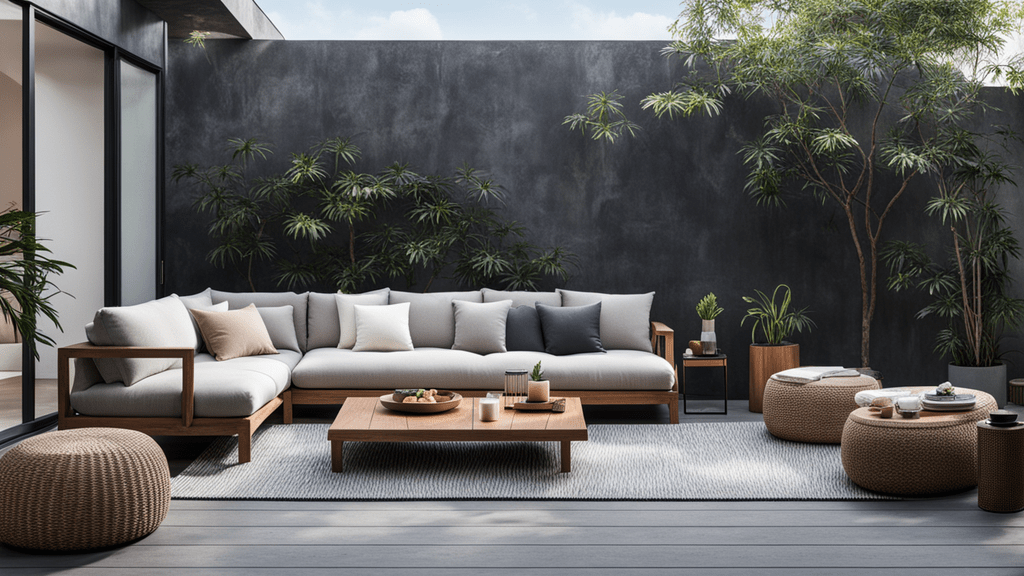
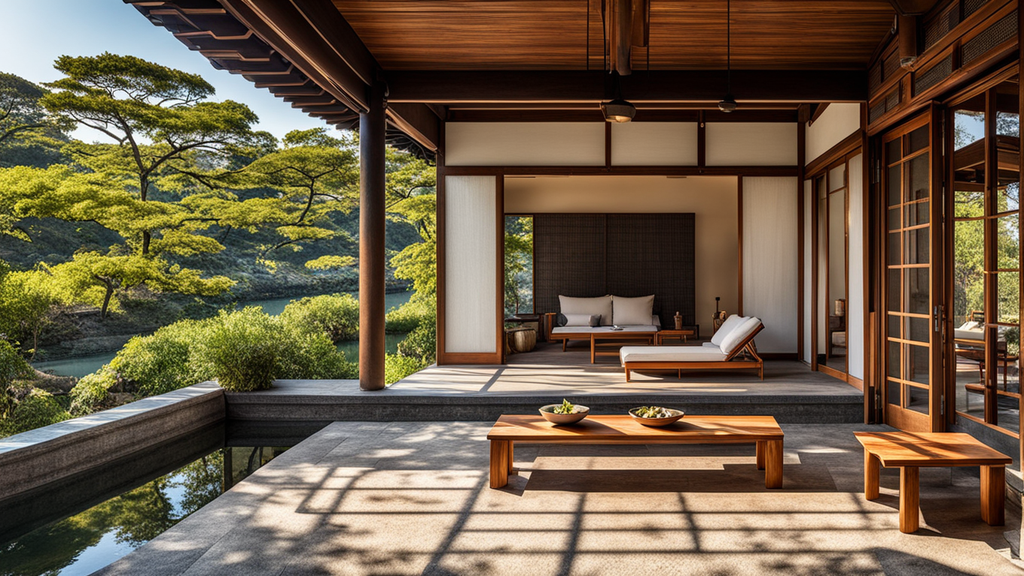
- Japandi decor successfully merges traditional elements with modern design, creating spaces that are timeless and contemporary. Traditional Japanese elements like tatami mats or sliding shoji doors can be incorporated alongside modern Scandinavian furniture, striking a balance that is both refreshing and deeply rooted in cultural heritage.
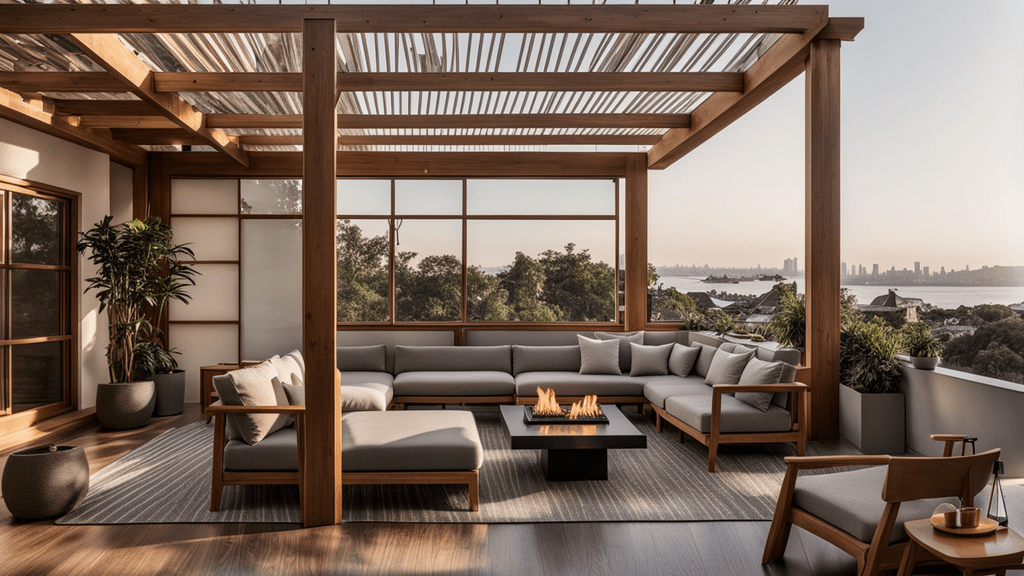
Focus on Sustainability
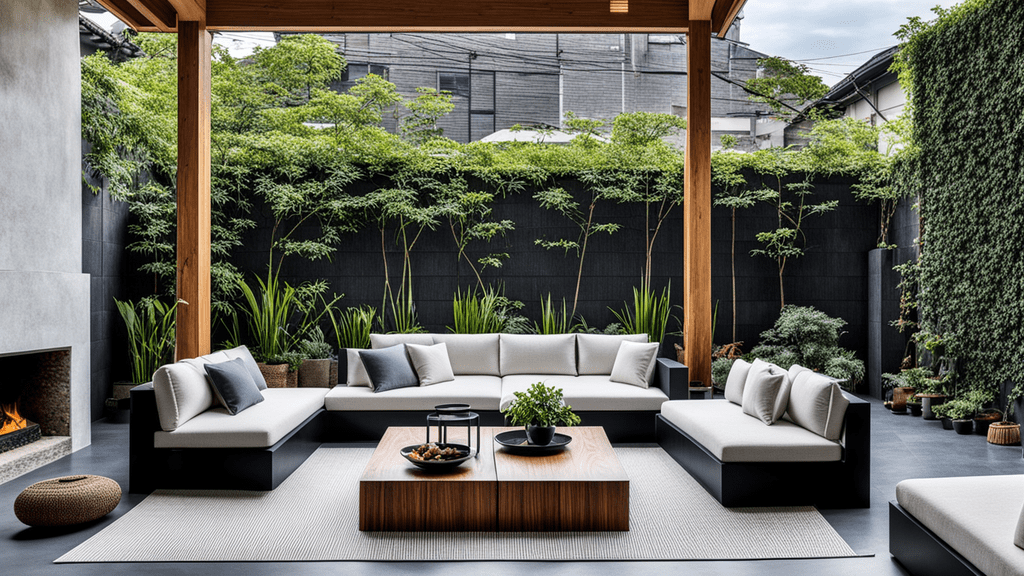
- Sustainability is an important aspect of the Japandi style, reflecting the environmental consciousness of both Japanese and Scandinavian cultures. There’s a focus on using eco-friendly materials and products, as well as designing spaces that are energy efficient and have a minimal environmental impact.
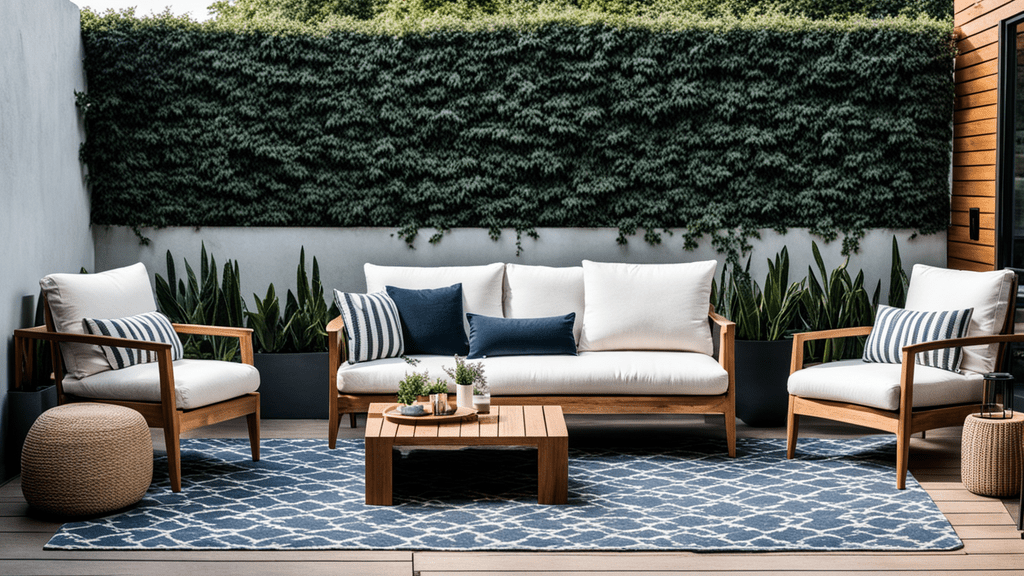
Japandi decor offers a peaceful, aesthetically pleasing approach to interior design that promotes well-being and harmony. Its blend of minimalism, natural beauty, and attention to detail creates spaces that are not only beautiful but also deeply functional and sustainable.
Check out our video for more inspiration:


 YourHomeInspirations
Leave a comment