
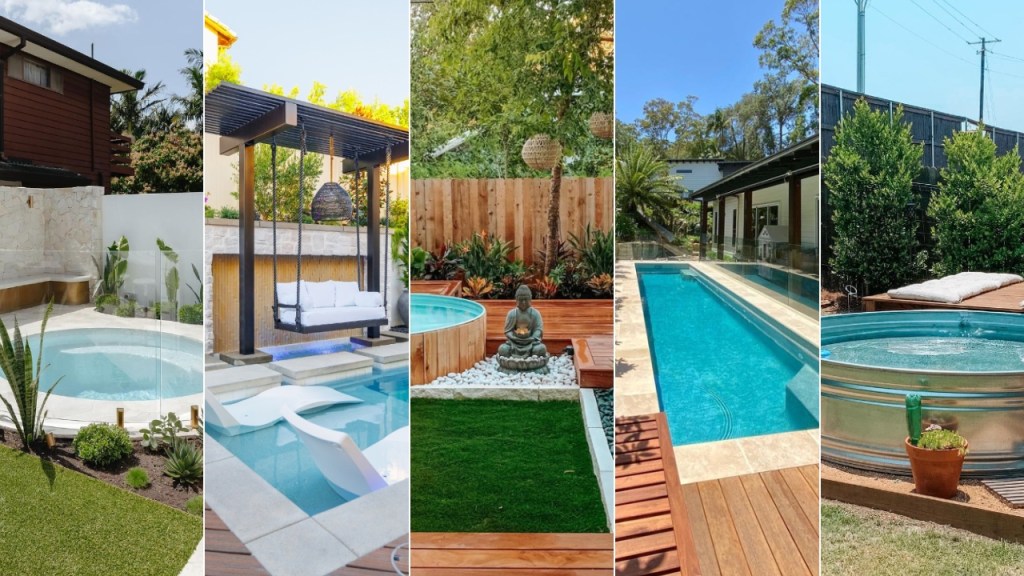
Are you dreaming of turning your backyard into a refreshing oasis with a sparkling pool? As you embark on this exciting journey, it’s essential to arm yourself with knowledge to make informed decisions. From choosing the right type of pool to navigating permits and maintenance, we’ve got you covered with this comprehensive guide.
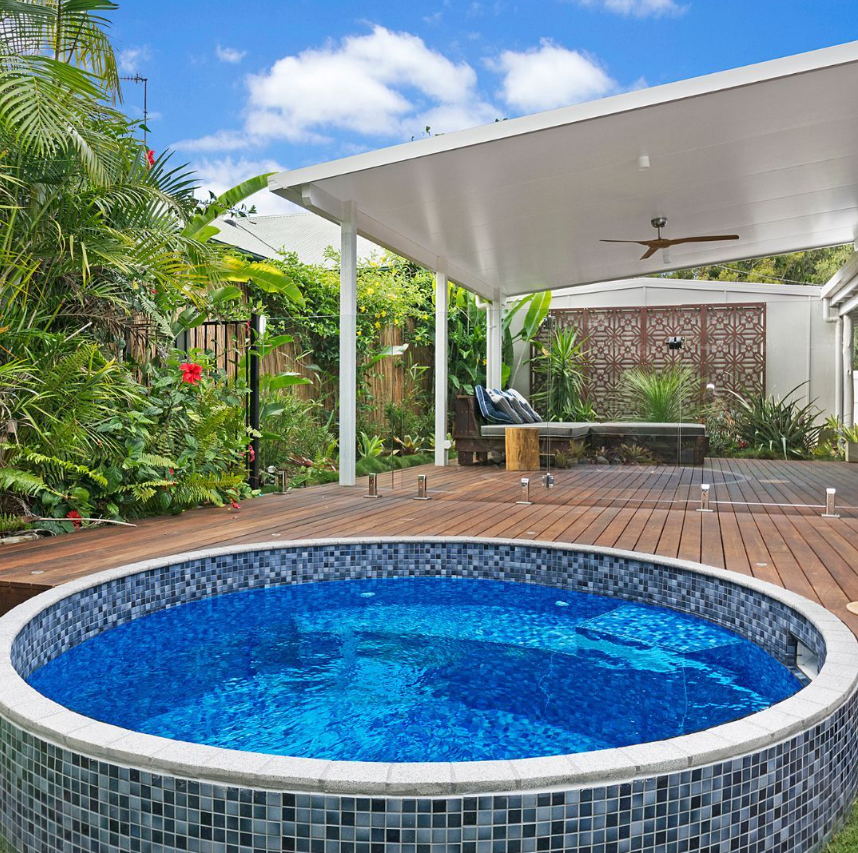
1. How much does it cost to install a backyard pool? / Understanding Costs
One of the first questions that come to mind is, “How much does it cost?” Well, the answer isn’t straightforward. The cost of installing a backyard pool can vary significantly depending on factors such as size, type, materials, and additional features. On average, you can expect to invest anywhere from $20,000 to $60,000 or more for an inground pool installation. It’s crucial to set a realistic budget and consider long-term maintenance expenses.
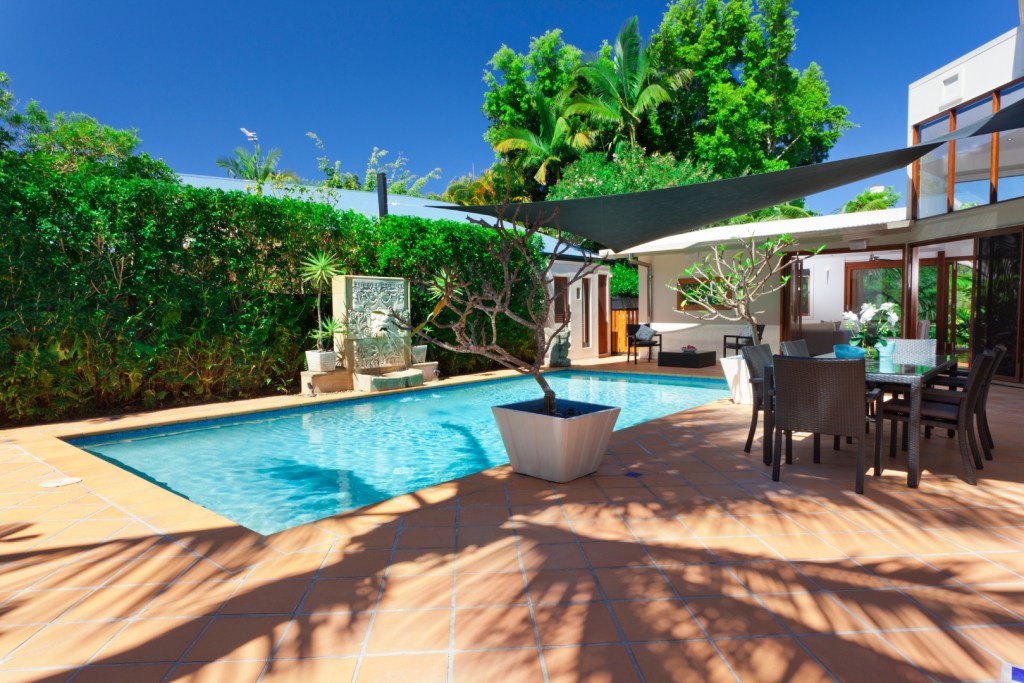
2. What are the different types of backyard pools? / Exploring Pool Types
Backyard pools come in various shapes, sizes, and materials. Understanding the different types can help you narrow down your options. Common choices include inground pools (concrete, vinyl, fiberglass), above-ground pools, lap pools, and natural swimming pools. Each type has its unique benefits and considerations, so take your time to research and choose what best suits your needs and preferences.
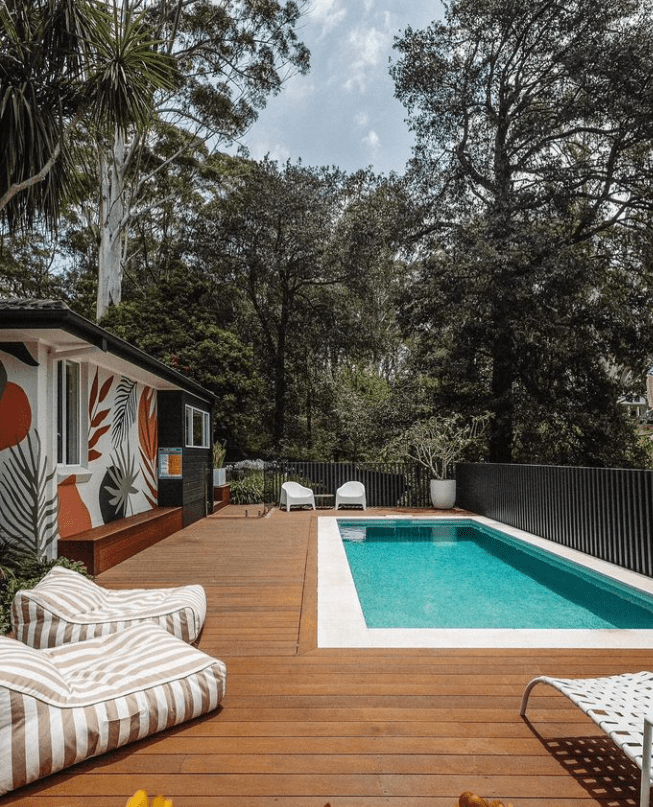
3. What permits are required for installing a backyard pool? / Navigating Permits and Regulations
Before diving into pool installation, it’s essential to check local regulations and obtain the necessary permits. Zoning restrictions may include setback requirements, fencing regulations, and limits on pool size or depth. Consulting with your local municipality or building department will ensure compliance with regulations and a smooth installation process.
4. What are the maintenance costs for a backyard pool? / Budgeting for Maintenance
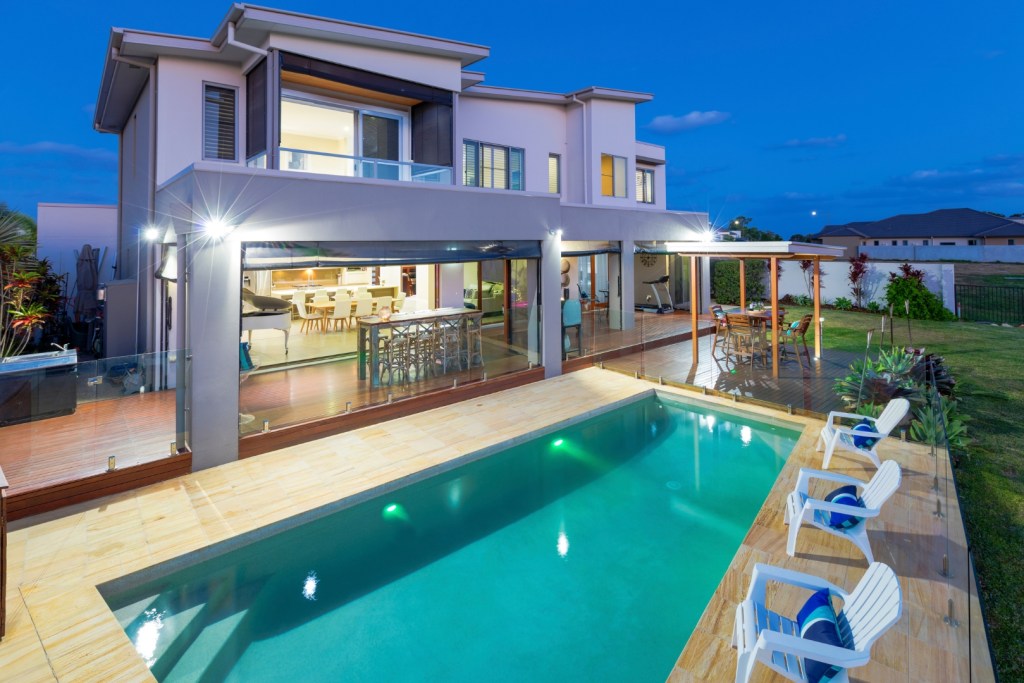
Owning a backyard pool comes with ongoing maintenance costs. You’ll need to budget for chemicals, water, energy consumption, cleaning equipment, and occasional repairs. Depending on the size and features of your pool, maintenance expenses can range from a few hundred to several thousand dollars per year. Proper maintenance not only keeps your pool clean and safe but also extends its lifespan.
5. What is the best material for a backyard pool? / Choosing the Right Material
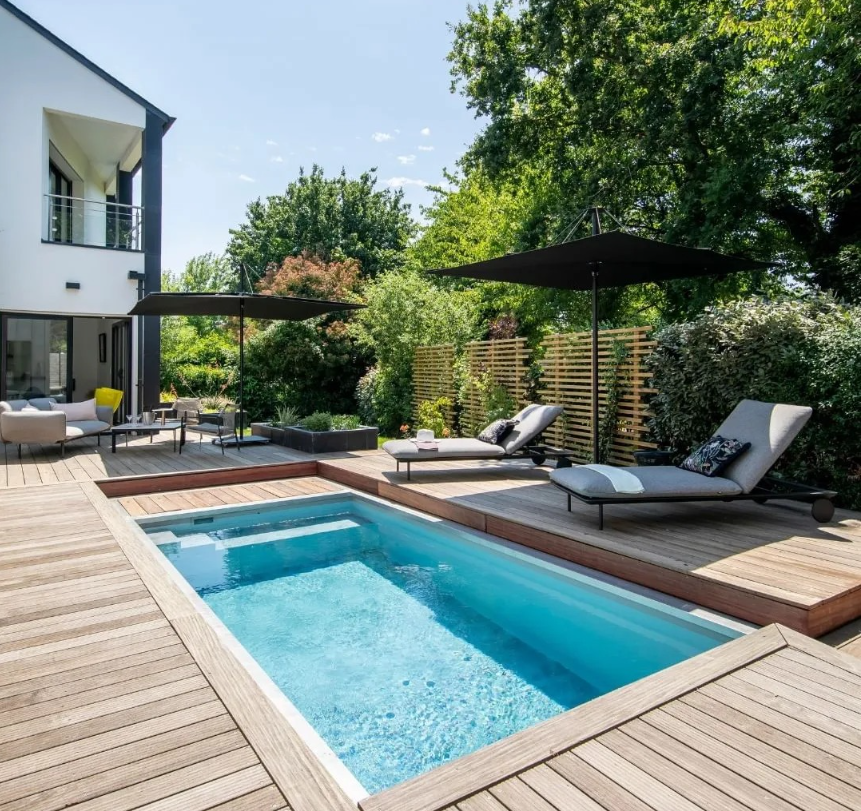
The material of your pool can significantly impact its durability, aesthetics, and maintenance requirements. Common options include concrete (durable but pricey), vinyl (affordable but prone to tears), and fiberglass (low maintenance but limited customization). Consider factors such as budget, climate, and personal preference when selecting the material that best suits your needs.
6. What size pool should I get for my backyard? / Sizing Up Your Space
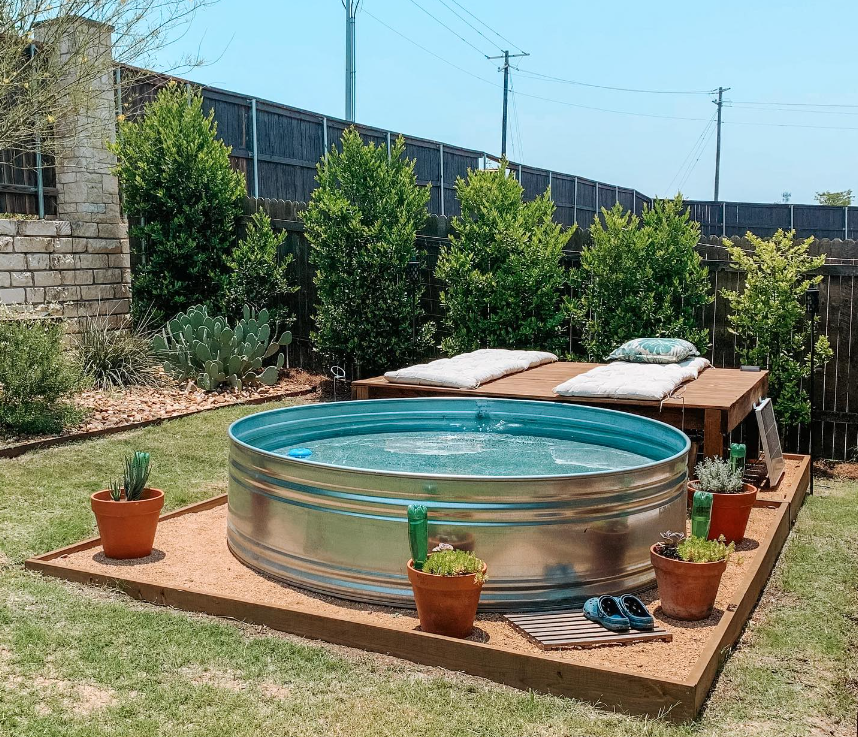
Before selecting a pool size, carefully assess your backyard space and layout. Consider factors such as available space, intended use, and how the pool fits into your overall landscaping design. Whether you’re looking for a small plunge pool or a sprawling oasis, choosing the right size is crucial for maximizing enjoyment and functionality.
7. How long does it take to install a backyard pool? / Understanding Installation Time
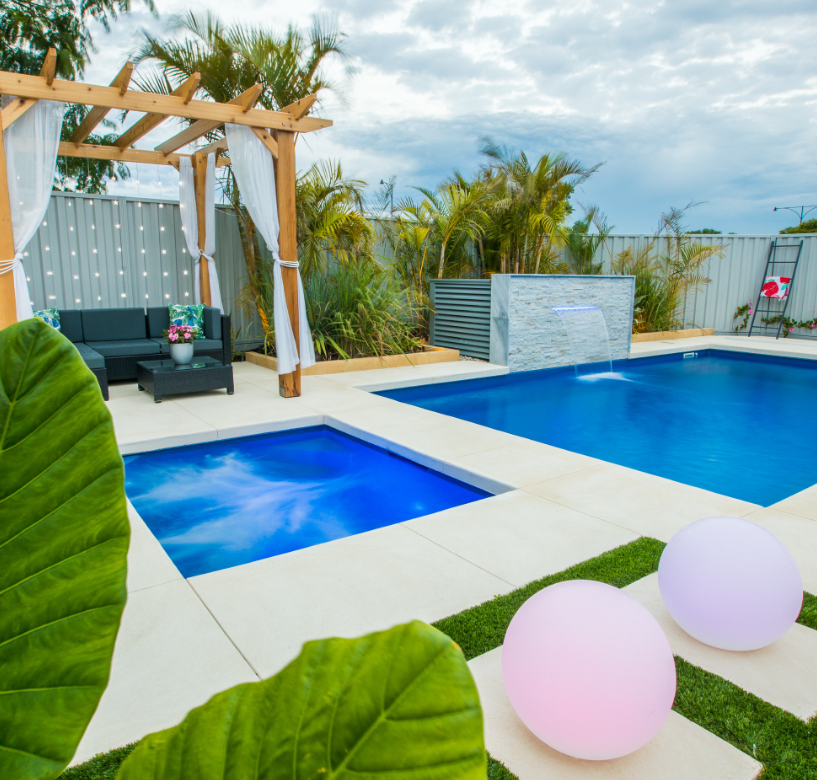
Patience is key when it comes to pool installation. The time it takes to install a backyard pool can vary depending on factors such as the type of pool, site preparation, weather conditions, and contractor availability. While above-ground pools may be quicker to install, inground pool installations can take anywhere from a few weeks to several months. Be prepared for potential delays and plan accordingly.
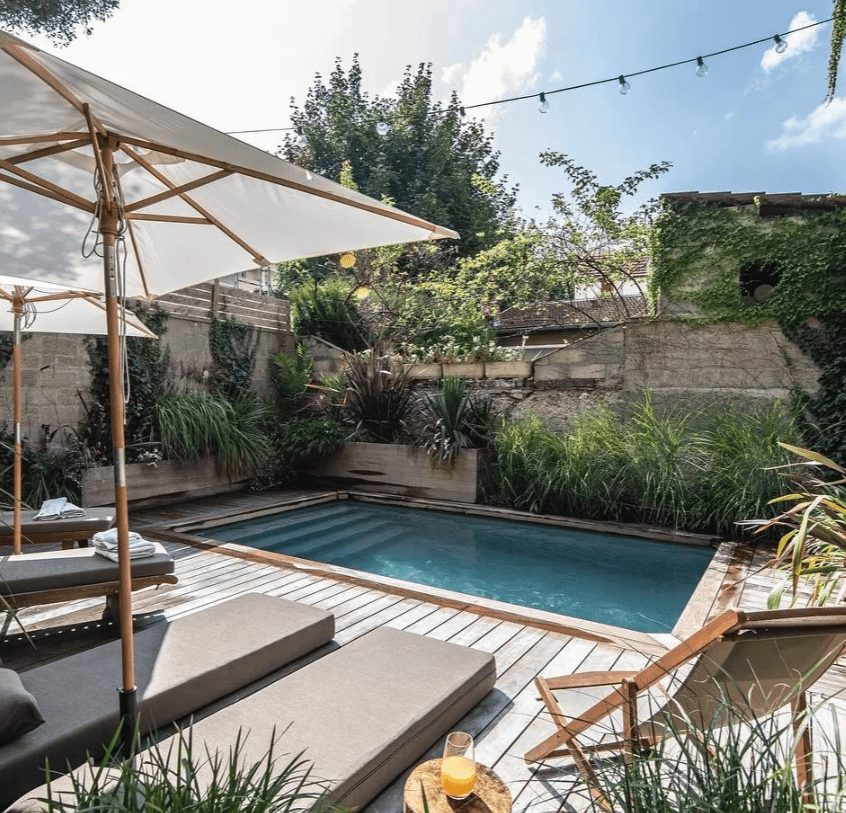
8. What are the pros and cons of an inground vs. above-ground pool? / Weighing Inground vs. Above-Ground
When deciding between inground and above-ground pools, weigh the pros and cons of each option.
Inground
Pros: Inground pools offer durability, customization, and aesthetic appeal
Cons: They come with a higher price tag and longer installation process
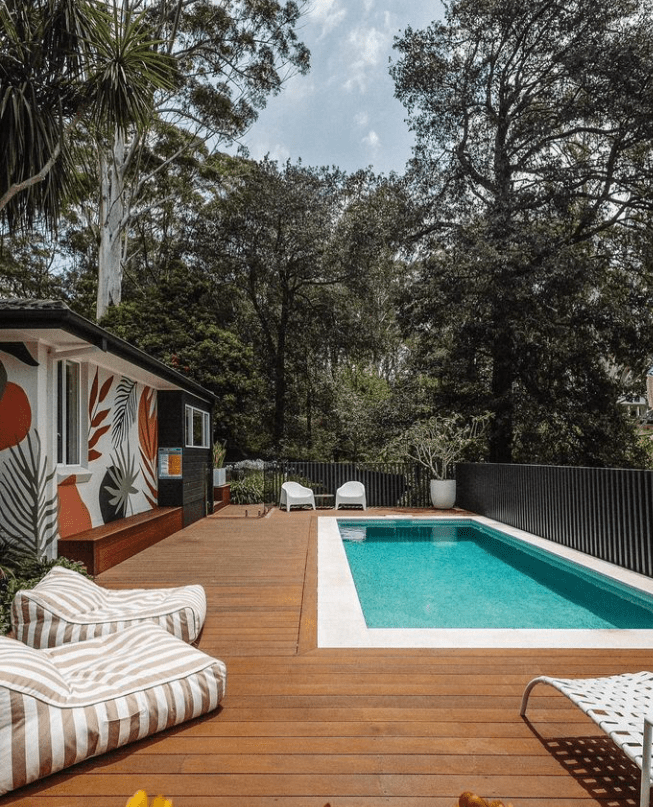
Above-ground
Pros: More affordable, easier to install, and can be removed if needed
Cons: Lack the durability and visual appeal of inground pools
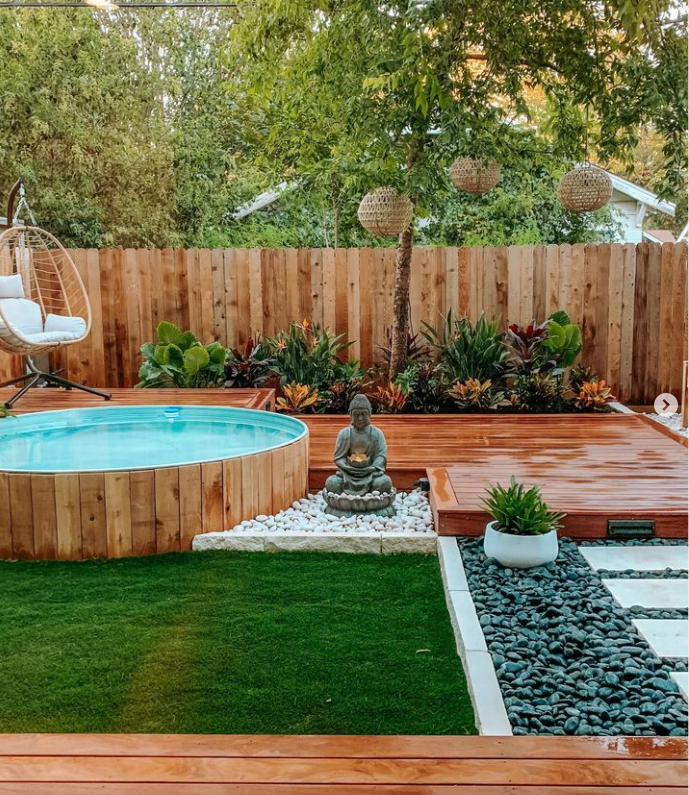
9. What safety measures do I need to consider for a backyard pool? / Prioritizing Safety
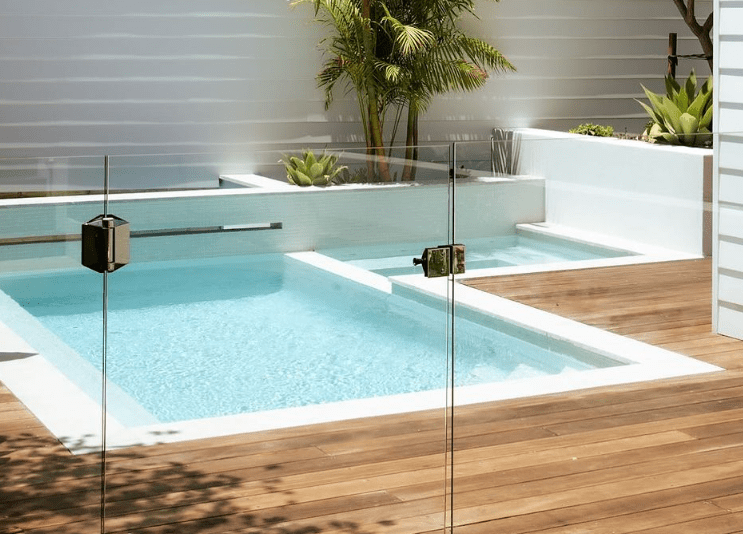
Safety should always be a top priority when owning a backyard pool. Install a fence with a self-closing, self-latching gate to prevent unauthorized access. Consider using pool covers, alarms, and safety equipment such as life rings and reaching poles. Educate yourself and your family about pool safety practices, including swimming lessons for children and supervision of swimmers.
Embarking on the journey of purchasing a pool for your backyard is an exciting endeavor. By considering factors such as costs, types, regulations, maintenance, and safety, you can create a relaxing oasis that brings joy and leisure to your home for years to come. Dive in and make a splash with your backyard pool!



 YourHomeInspirations
Leave a comment