
Plants are the perfect accent to any decor, breathing life and vitality into our indoor spaces. Yet, when it comes to when it comes to darker corners and low-light areas, finding the ideal plant can pose a challenge. As someone who values the beauty and tranquility that indoor plants bring, I often find myself searching for species that thrive in such conditions. Today, I’m excited to share with you a curated selection of my favorite plant species that not only tolerate but flourish in low-light environments.

Cast Iron Plant (Aspidistra Elatior)
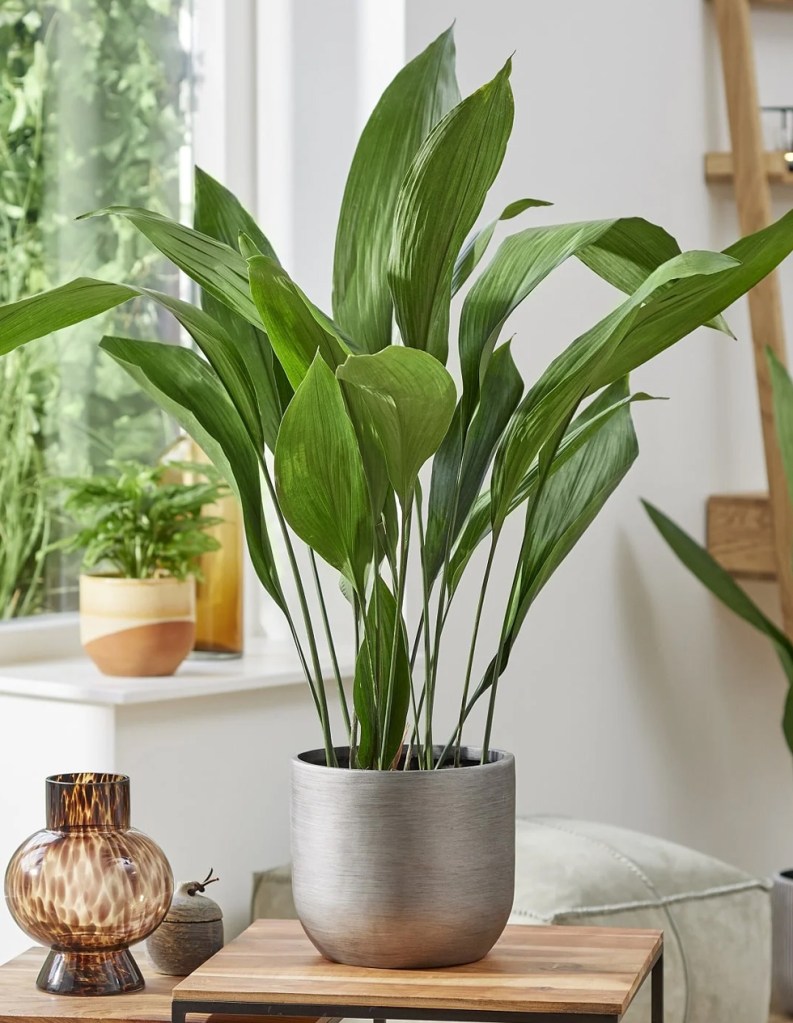
Named for its robust nature, the cast iron plant is exceptionally hardy and can tolerate low-light conditions.
It features dark green, leathery leaves that add texture and interest to indoor spaces, making it an excellent choice for adding greenery to dimly lit corners.
2. Spider Plant (Chlorophytum Comosum)
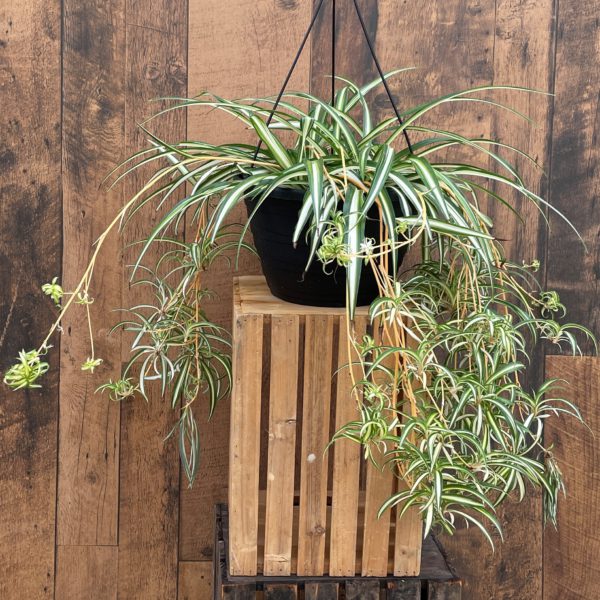
Spider plants are known for their air-purifying properties and ability to thrive in low-light conditions.
They produce arching stems with spider-like offshoots, creating a cascading effect that adds visual appeal to shelves, hanging baskets, or tabletops.
3. Chinese Evergreen (Aglaonema):
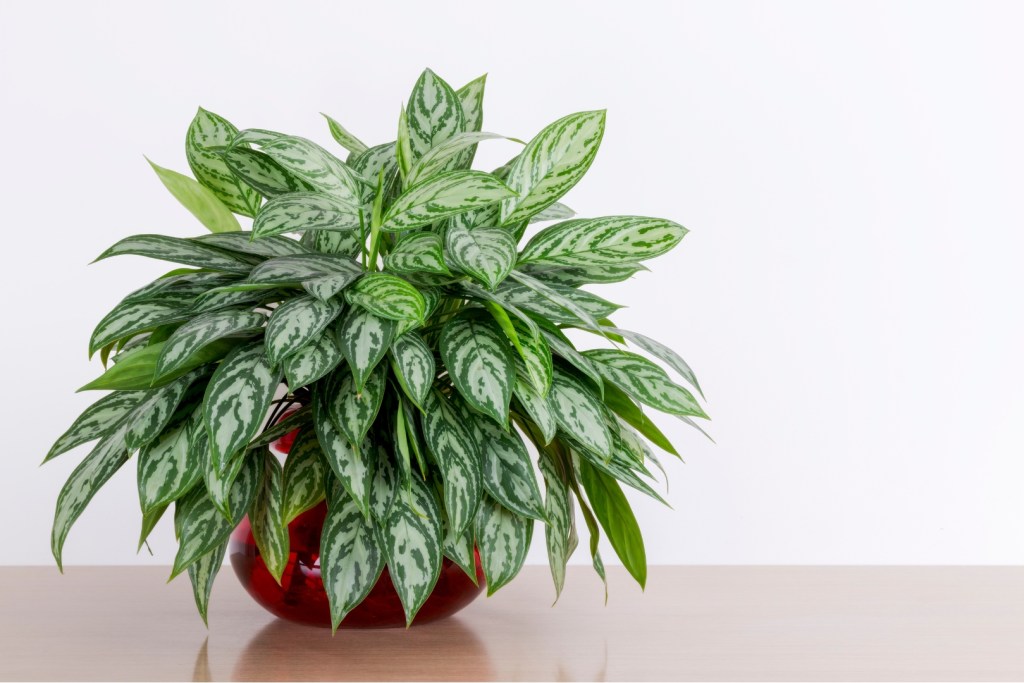
Chinese evergreens are prized for their attractive foliage and ability to thrive in low-light environments.
They come in a variety of leaf patterns and colors, ranging from silver and green to pink and red, making them versatile additions to any indoor space.
4. Heartleaf Philodendron (Philodendron Scandens):
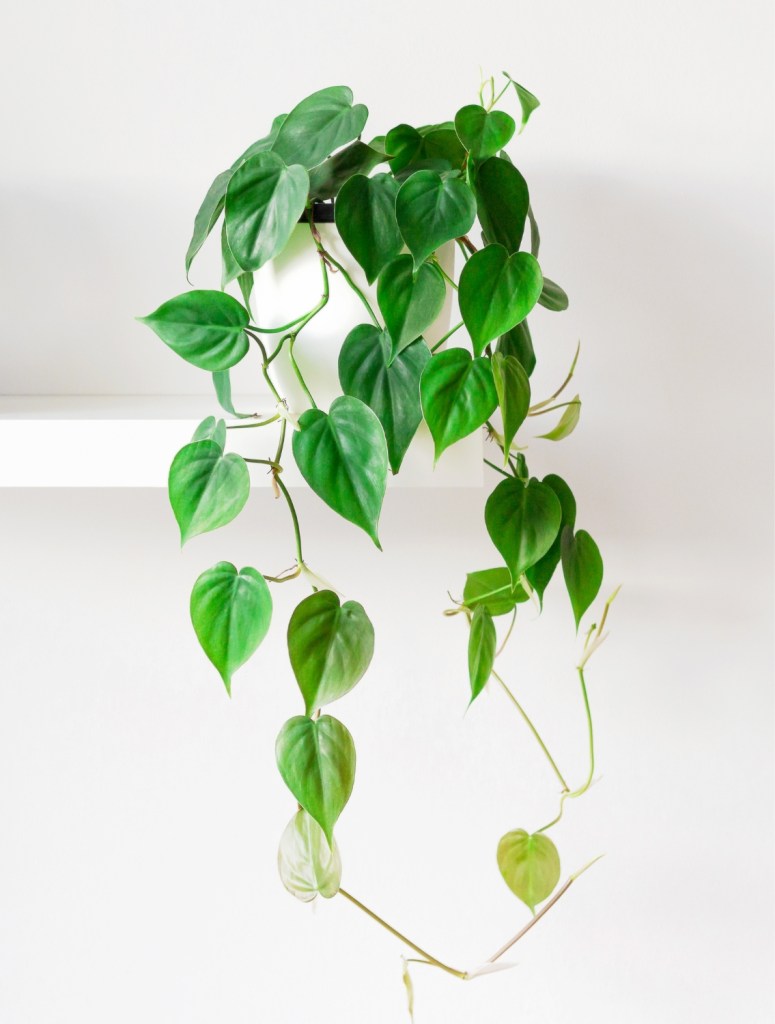
Heart-leaf philodendrons are popular trailing plants that do well in low-light conditions.
They feature heart-shaped leaves and can be trained to climb or left to cascade from hanging baskets, adding a touch of greenery to shelves, mantels, or windowsills.
5. ZZ Plant (Zamioculcas Zamiifolia):
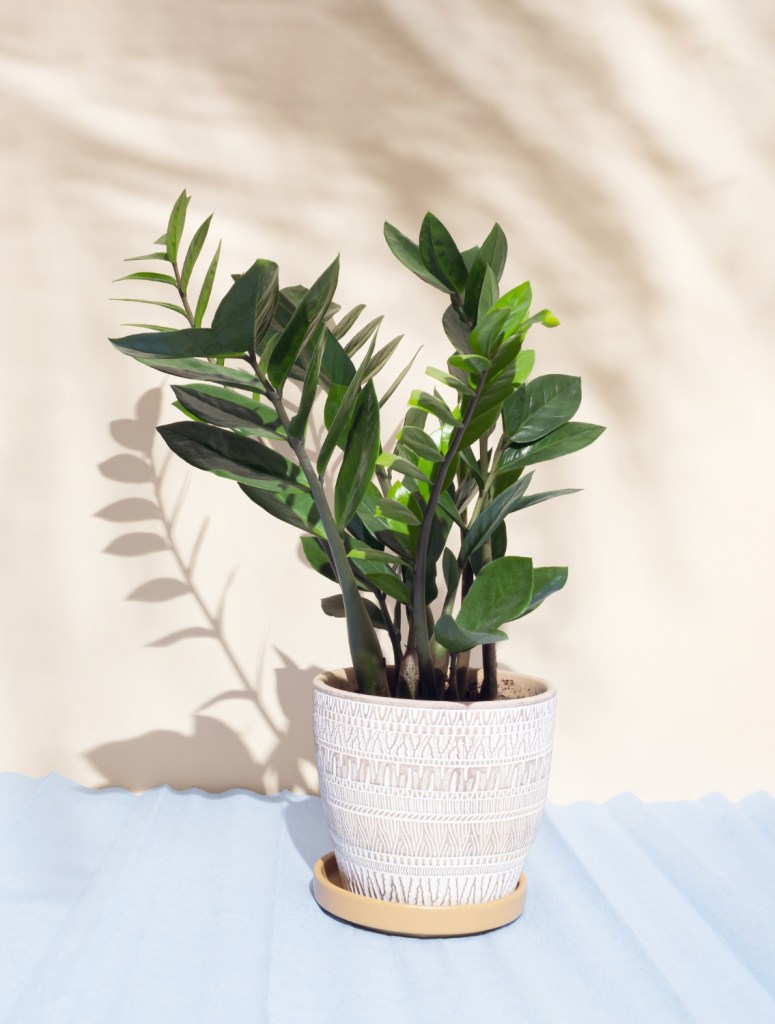
The ZZ plant is another excellent choice for low-light environments, requiring minimal sunlight to thrive.
Its glossy, dark green leaves add a touch of elegance to any room, and its sturdy constitution makes it a low-maintenance option for busy individuals.
ZZ plants are also highly tolerant of neglect and can go for long periods without water, making them ideal for those with hectic schedules.
6. Snake Plant (Sansevieria Trifasciata):
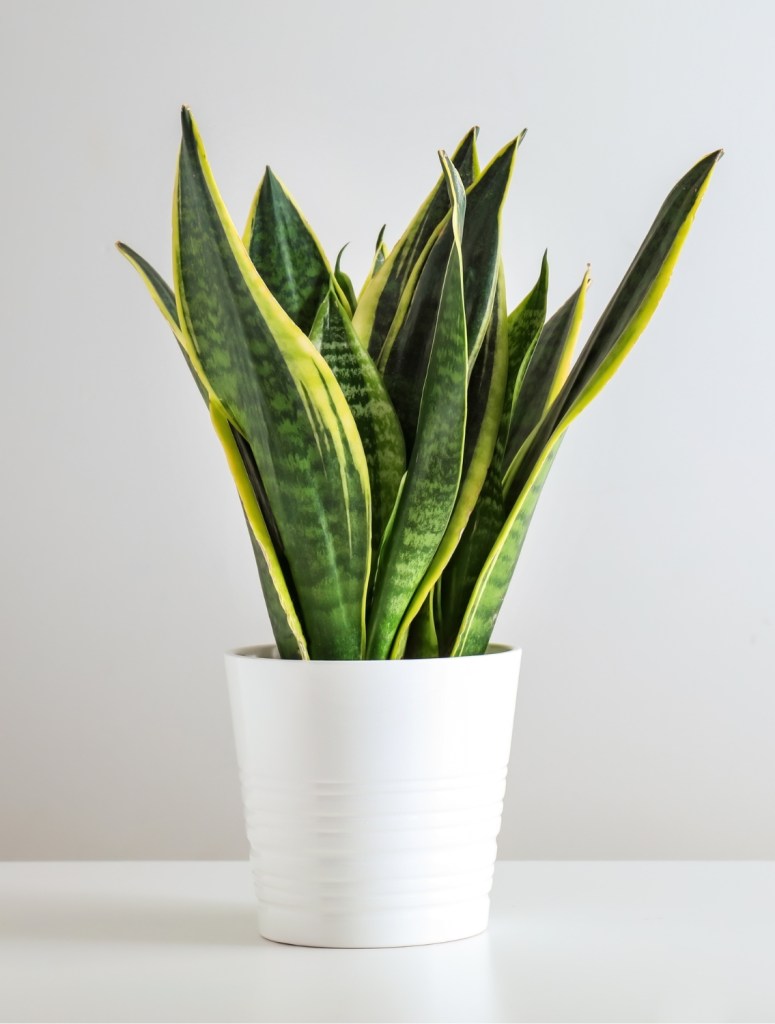
Snake plants are renowned for their resilience and ability to thrive in low-light conditions.
They have striking, upright leaves that come in various shades of green, making them a visually appealing addition to any indoor space.
Snake plants are also known for their air-purifying qualities, helping to improve indoor air quality by removing toxins such as formaldehyde and benzene.
7. Pothos (Epipremnum Aureum):
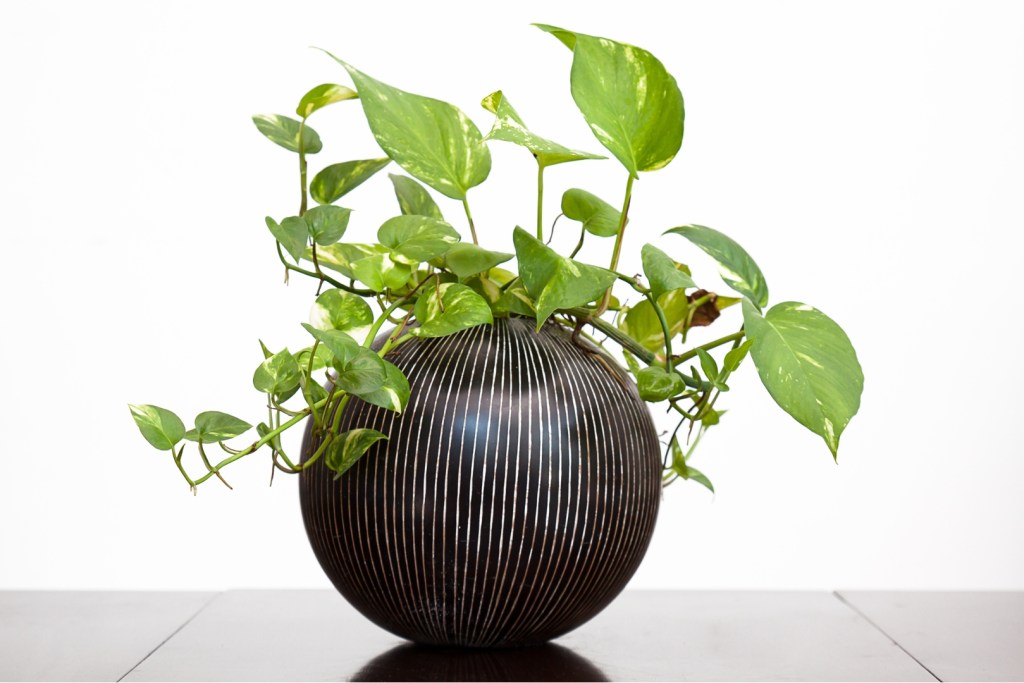
Pothos, also known as Devil’s Ivy, is a versatile and hardy plant that adapts well to low-light conditions.
It features cascading vines with heart-shaped leaves, making it an attractive choice for hanging baskets or as a trailing plant on shelves and cabinets.
Pothos is exceptionally easy to care for and can thrive in various indoor environments, making it perfect for beginners or those with limited gardening experience.
8. Peace Lily (Spathiphyllum):
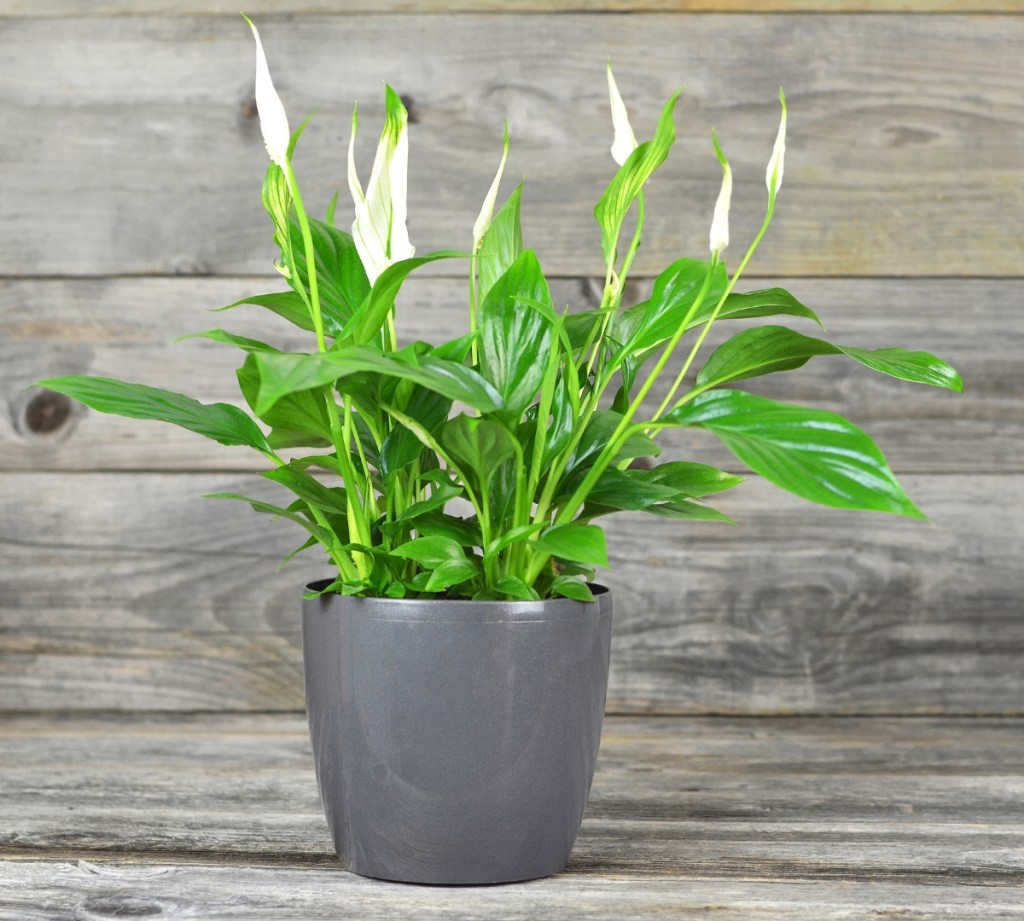
While peace lilies prefer moderate to low light, they can tolerate low-light conditions quite well.
Known for their elegant white flowers and glossy green leaves, peace lilies add a touch of tranquility and beauty to any indoor space.
In addition to their aesthetic appeal, peace lilies are effective at purifying the air, making them a popular choice for bedrooms, living rooms, and offices.
9. Parlor Palm (Chamaedorea Elegans):
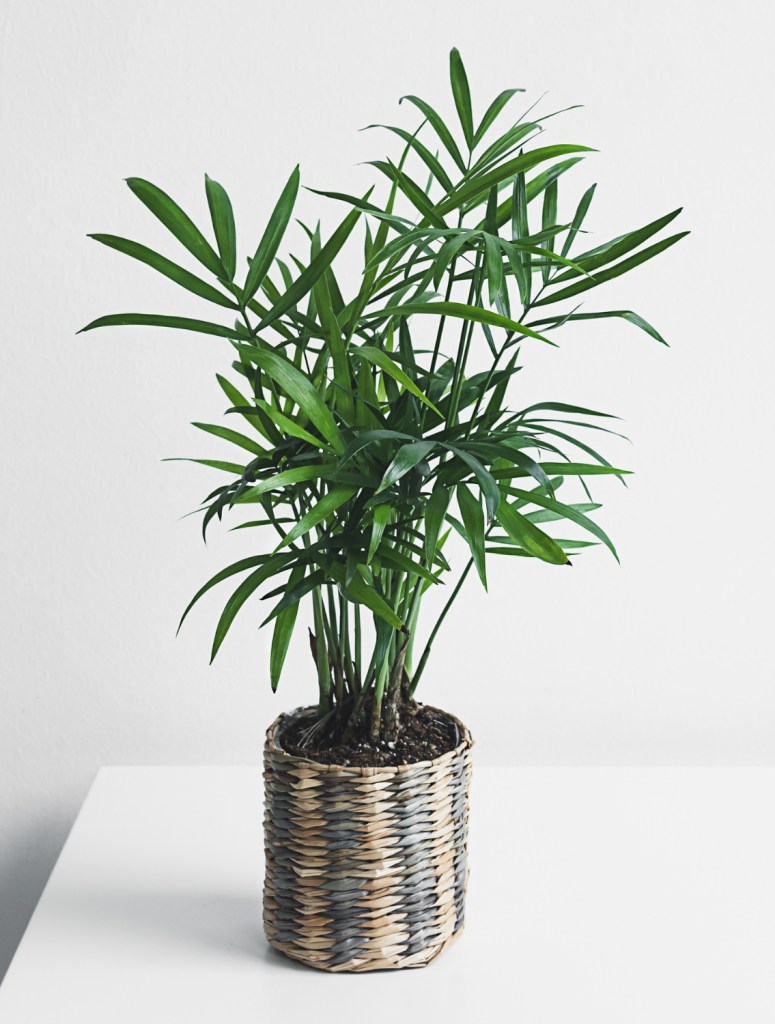
Parlor palms are well-suited to low-light environments and thrive in indirect sunlight.
With their graceful fronds and compact size, these palms are perfect for adding a tropical touch to small spaces such as offices, bathrooms, or bedrooms.
Parlor palms also have the added benefit of being pet-friendly, making them a safe choice for households with cats or dogs.
10. Dieffenbachia (Dieffenbachia spp.):
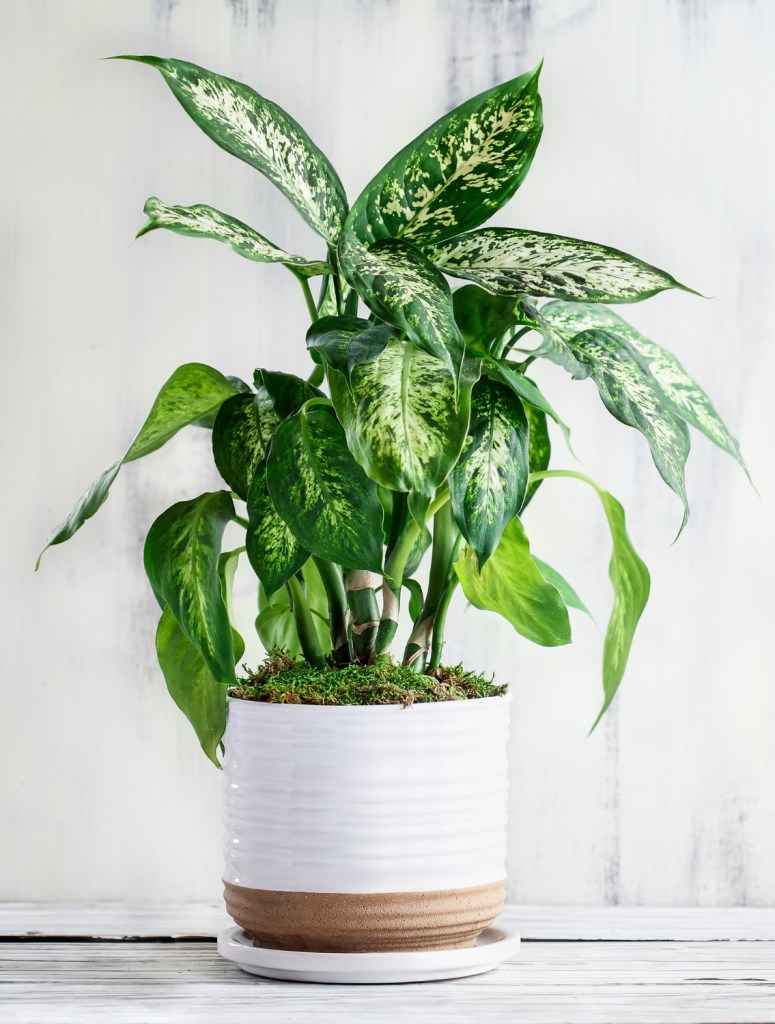
Dieffenbachias are prized for their large, tropical leaves and ability to thrive in low to moderate light.
They come in a variety of leaf patterns and colors, ranging from creamy white and green to deep shades of green and yellow, adding visual interest to any indoor space.
11. Devil’s Backbone (Pedilanthus Tithymaloides):
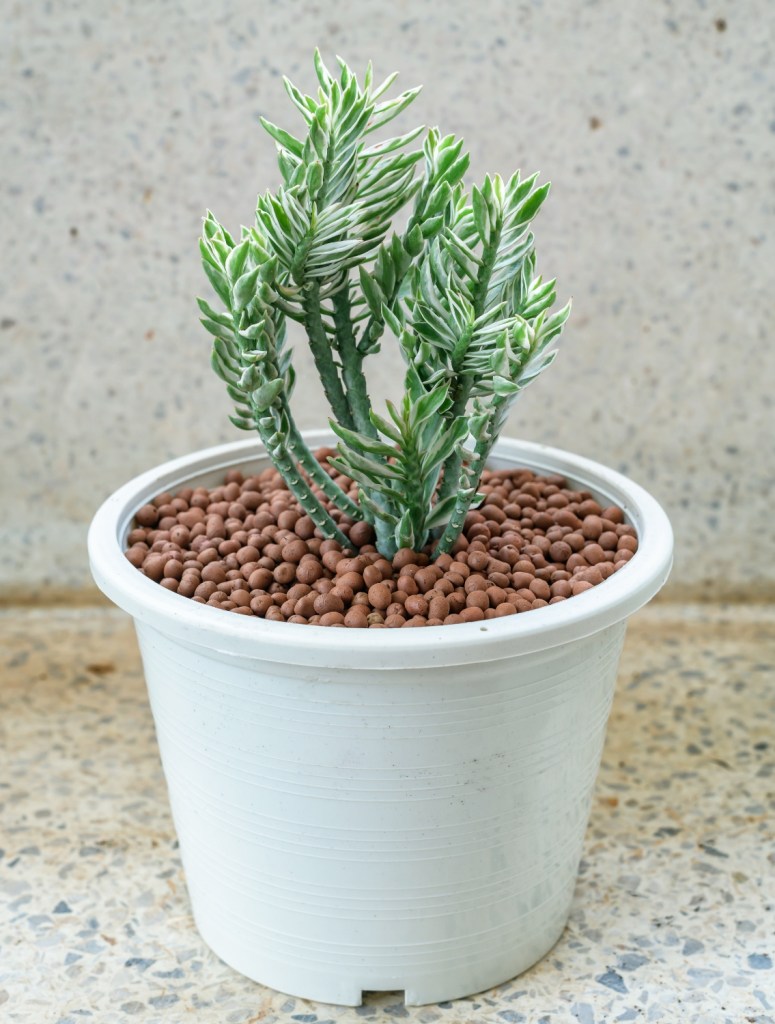
Devil’s backbone is a unique succulent plant with zigzagging stems and fleshy, green leaves.
It thrives in low-light conditions and requires minimal water, making it an ideal choice for beginners or those with busy lifestyles.
12. Lucky Bamboo (Dracaena Sanderiana):
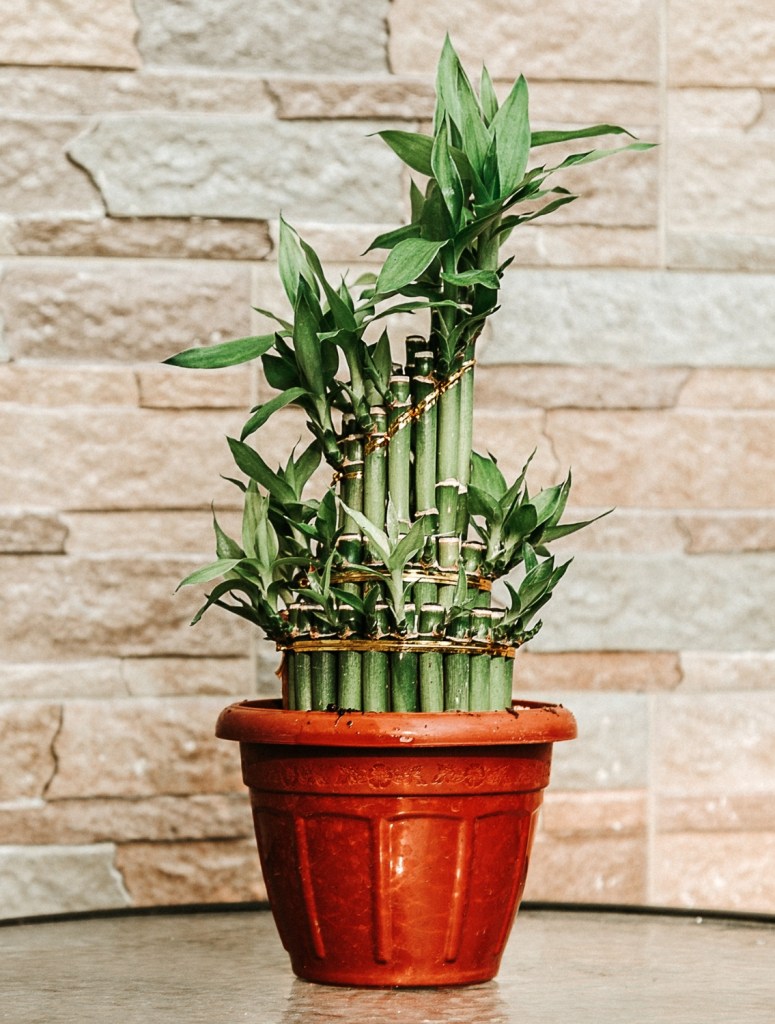
Despite its name, lucky bamboo is not actually a bamboo but a member of the Dracaena genus.
It can thrive in low-light conditions and is often grown in water or soil, making it a popular choice for adding a touch of greenery to desks, tables, or countertops.
13. Rex Begonia (Begonia Rex):
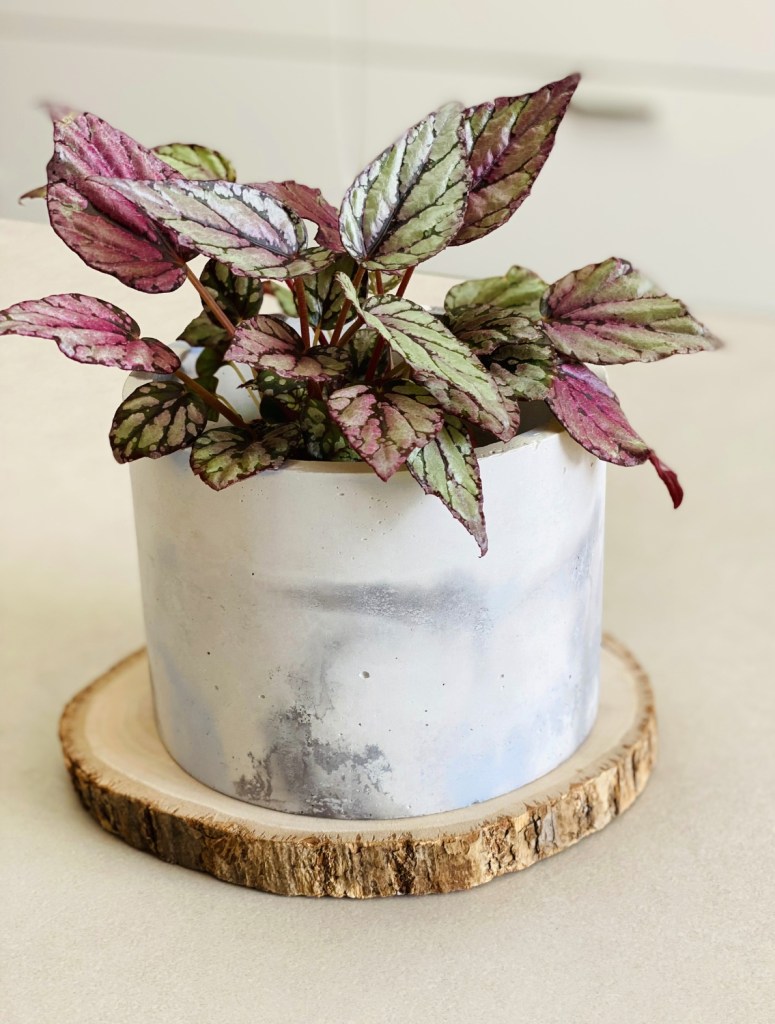
Rex begonias are prized for their striking foliage, featuring intricate patterns and vibrant colors.
They prefer low-light conditions and can be grown indoors as houseplants, adding a pop of color and texture to any room.
14. Boston Fern (Nephrolepis Exaltata):
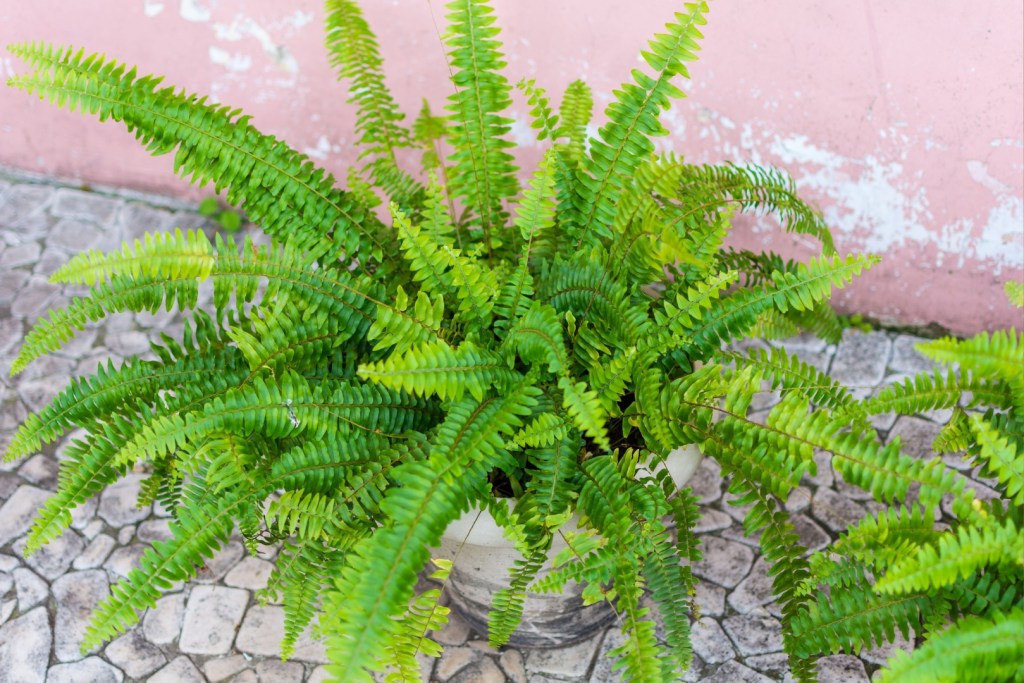
Boston ferns are classic indoor plants known for their feathery fronds and ability to thrive in low-light conditions.
They require consistent moisture and high humidity levels, making them well-suited for bathrooms or kitchens with low light.
15. African Violet (Saintpaulia):
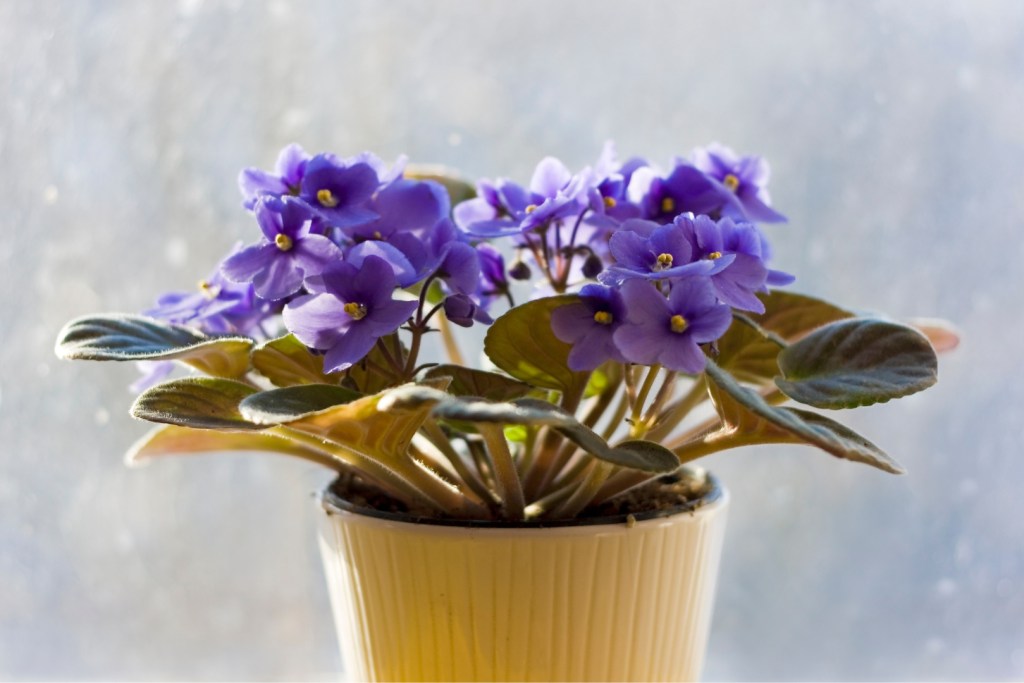
African violets are beloved for their delicate, colorful flowers and compact size.
They prefer indirect light and can thrive in low-light environments, making them a popular choice for adding a splash of color to windowsills or tabletops.
16. Calathea (Calathea spp.):
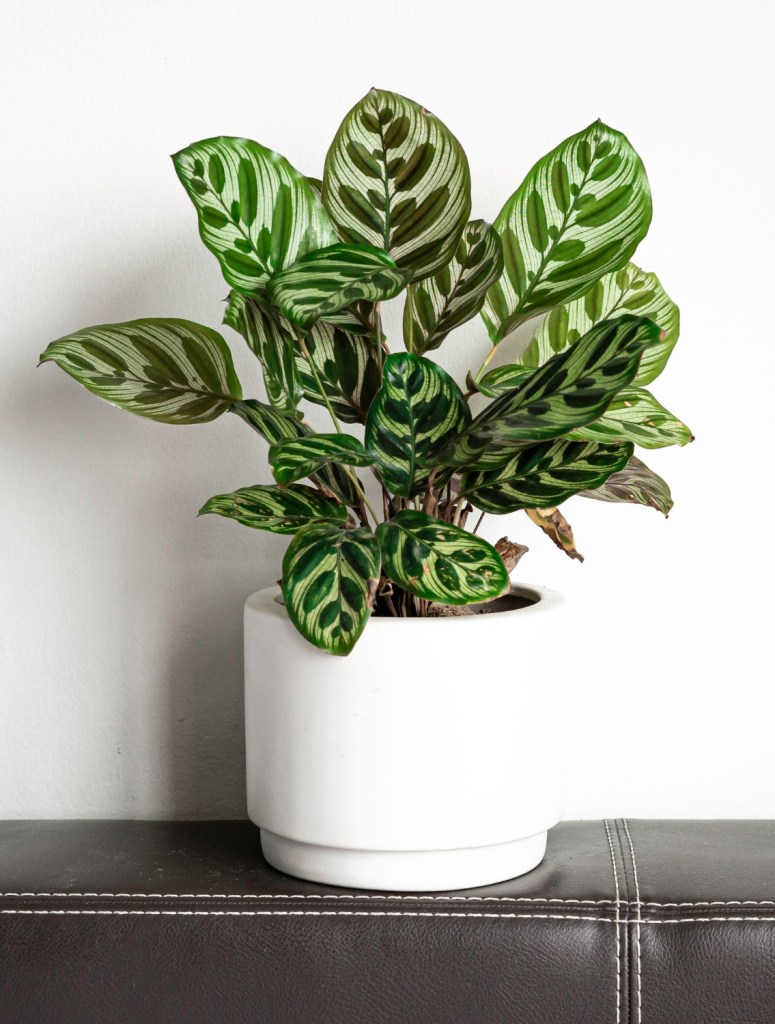
Calatheas are prized for their ornamental foliage, featuring intricate patterns and vibrant colors.
They prefer low to moderate light conditions and thrive in humid environments, making them ideal choices for bathrooms or kitchens with limited natural light.
17. Peperomia (Peperomia spp.):
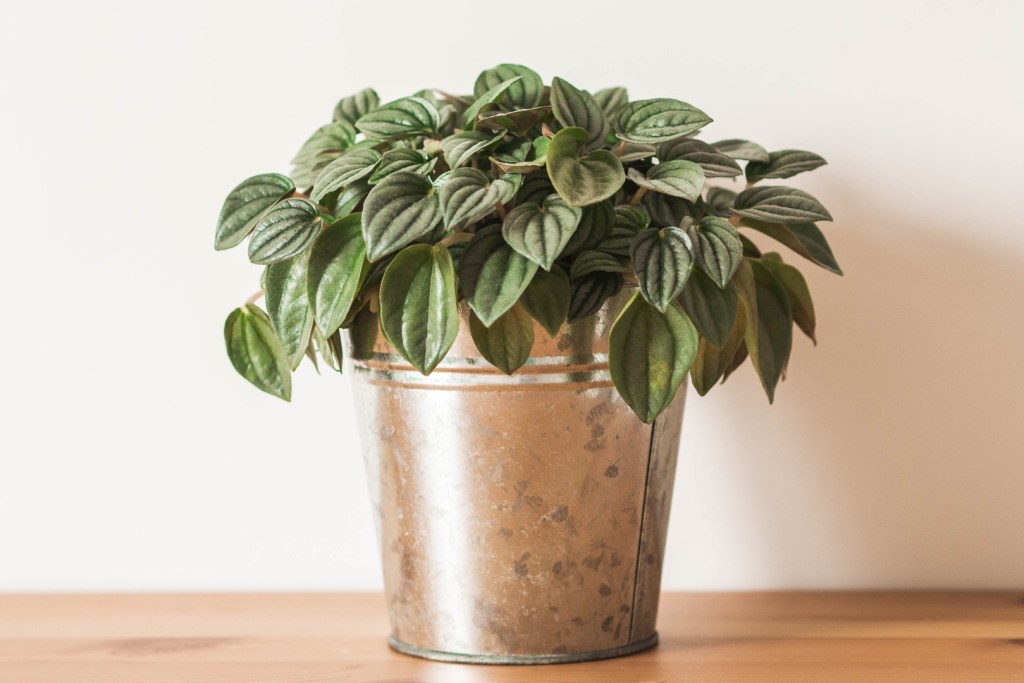
Peperomias are compact, easy-to-care-for plants with succulent-like foliage.
They thrive in low-light conditions and come in a variety of leaf shapes and colors, making them versatile additions to any indoor space.
18. Maidenhair Fern (Adiantum spp.):
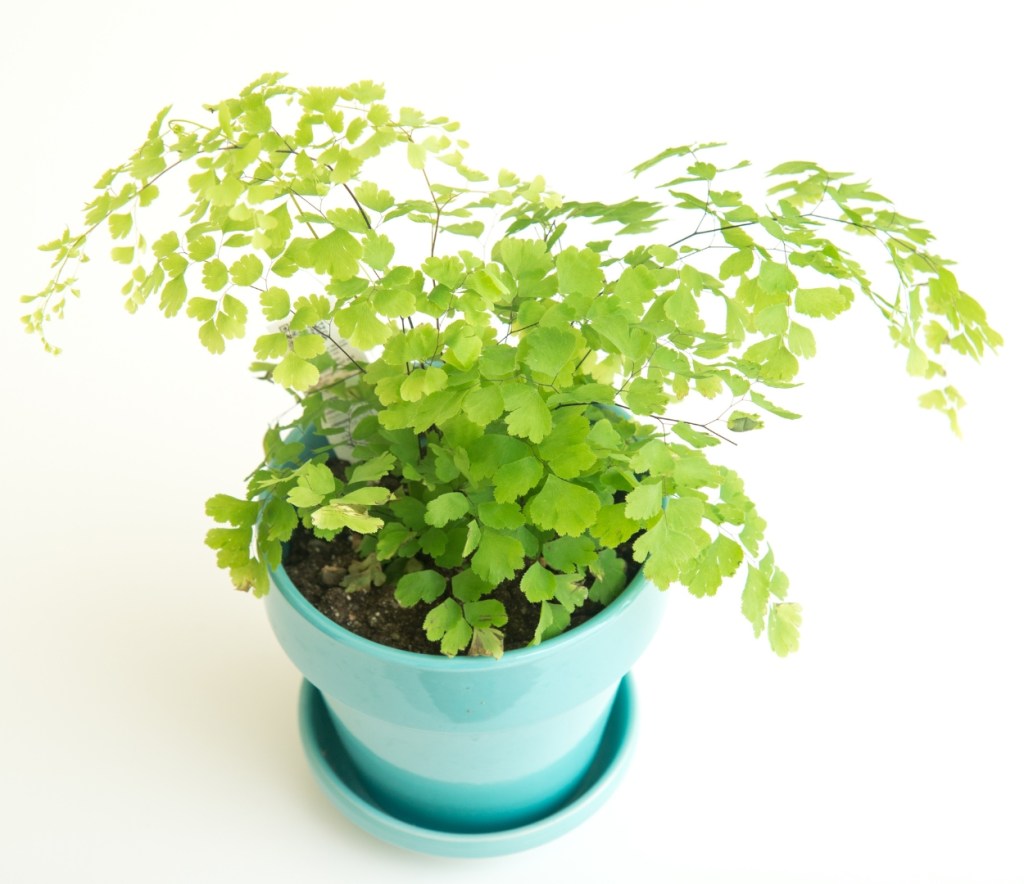
Maidenhair ferns are delicate, lacy plants known for their graceful fronds and preference for low-light conditions.
They require high humidity levels and consistent moisture, making them ideal choices for bathrooms or other humid areas with limited natural light.
19. Philodendron Brasil (Philodendron Hederaceum):
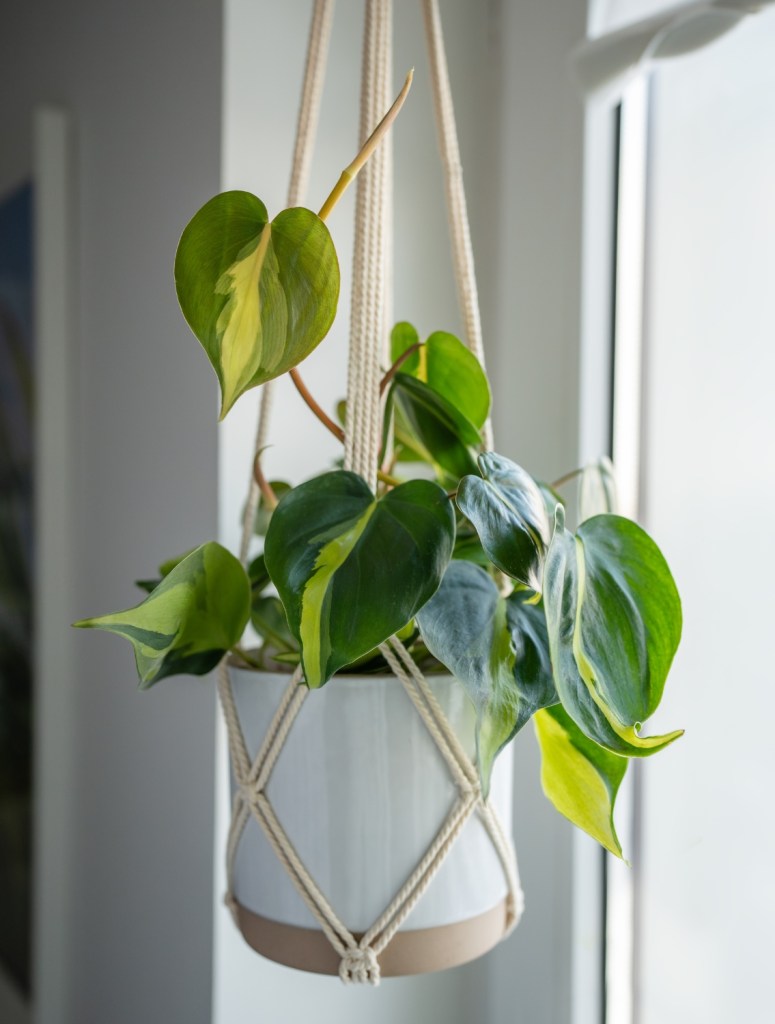
Philodendron Brasil is a popular trailing plant with heart-shaped leaves featuring vibrant green and yellow variegation.
It thrives in low to moderate light conditions and is easy to care for, making it a great choice for adding a pop of color to hanging baskets or shelves.
20. Chinese Money Plant (Pilea Peperomioides):
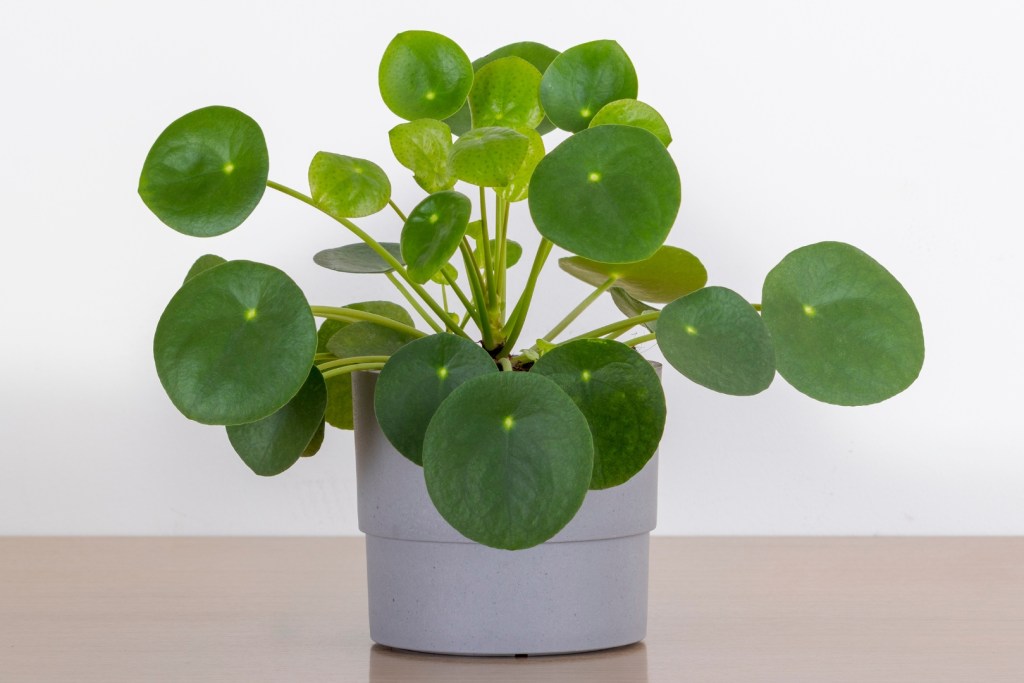
Chinese money plants, also known as pancake plants, are prized for their round, coin-shaped leaves and compact size.
They prefer indirect light and can thrive in low-light conditions, making them popular choices for desks, tabletops, or shelves.
21. Bird’s Nest Fern (Asplenium Nidus):
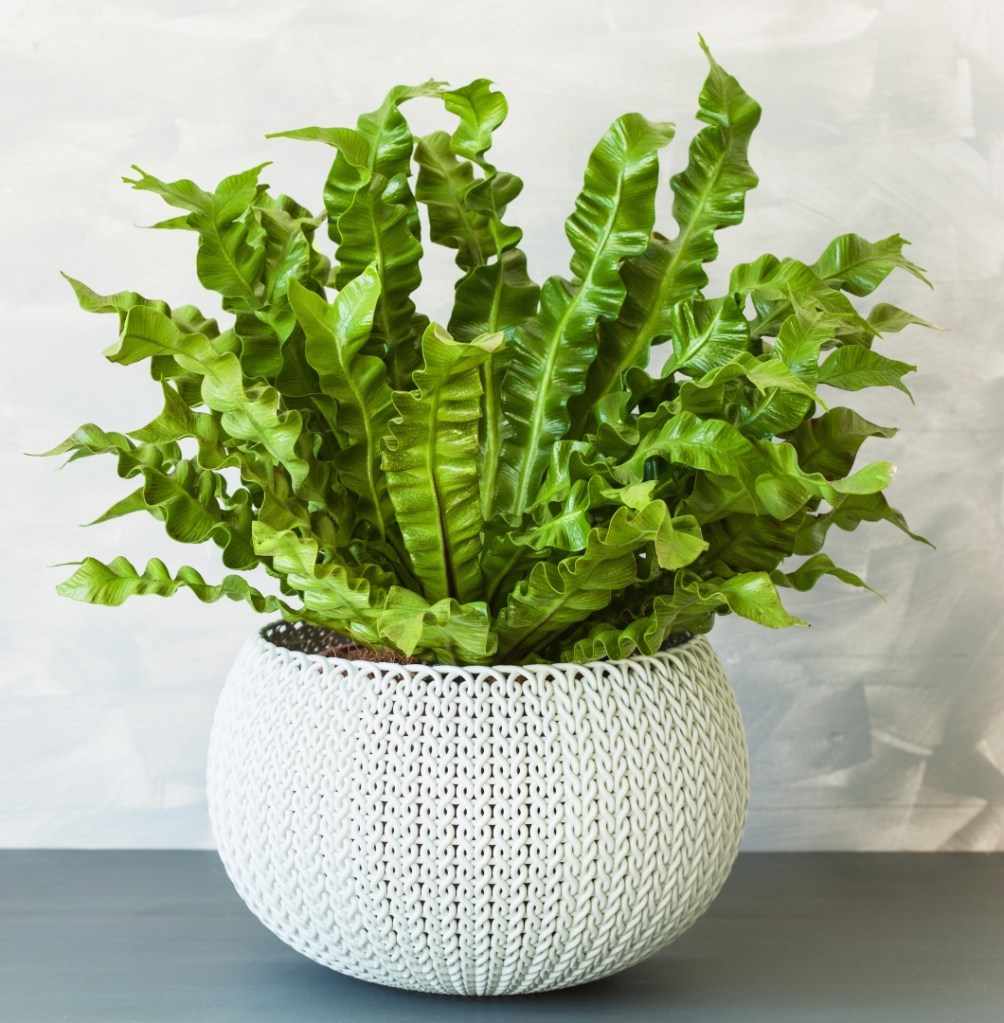
Bird’s nest ferns are tropical plants with wavy, glossy leaves that resemble a bird’s nest.
They thrive in low to moderate light conditions and require consistently moist soil, making them ideal choices for bathrooms or kitchens with limited natural light.
22. Dracaena Marginata (Dracaena Reflexa):
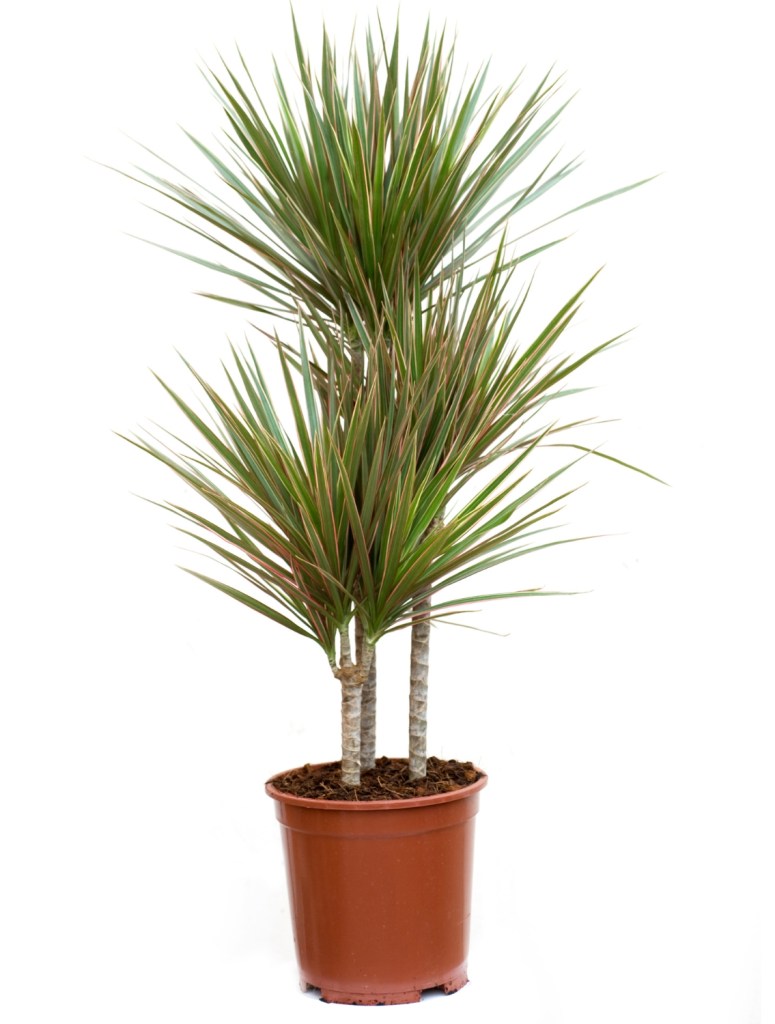
Dracaena marginata, also known as the dragon tree, features slender, upright stems with tufts of arching, sword-shaped leaves.
It thrives in low to moderate light conditions and is tolerant of neglect, making it a popular choice for adding vertical interest to indoor spaces.
23. Moth Orchid (Phalaenopsis):
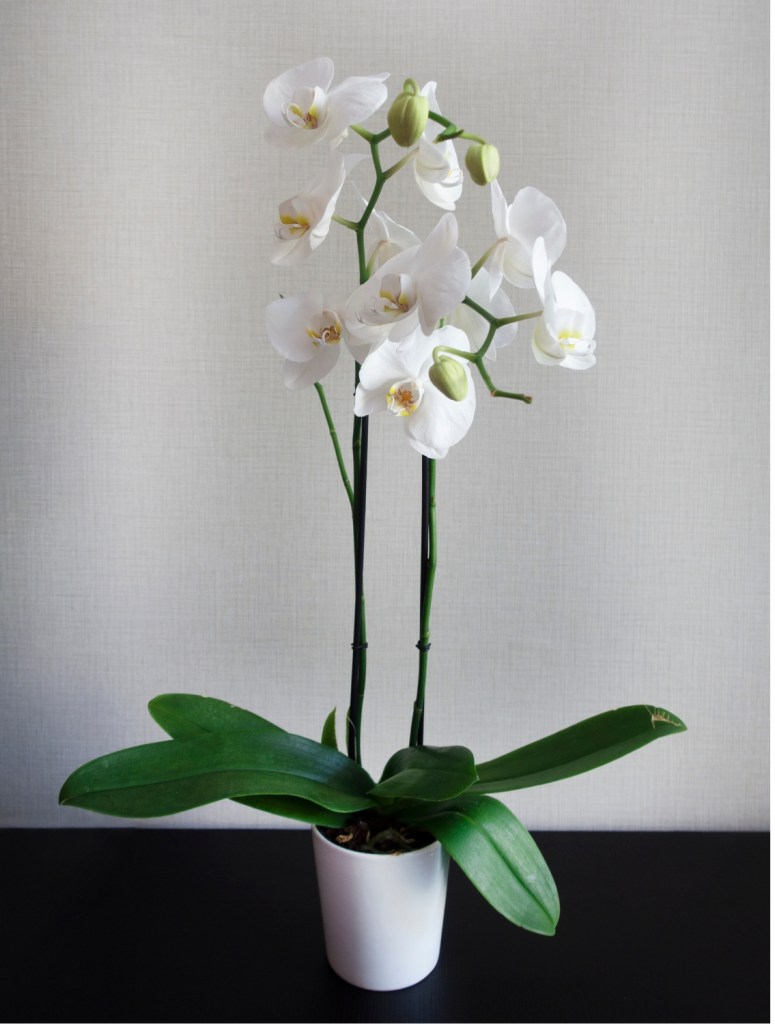
Moth orchids are prized for their elegant, long-lasting flowers and ability to thrive in low-light conditions.
They prefer indirect light and can be grown indoors as houseplants, adding a touch of sophistication to any room.
24. Rattlesnake Plant (Calathea Lancifolia):
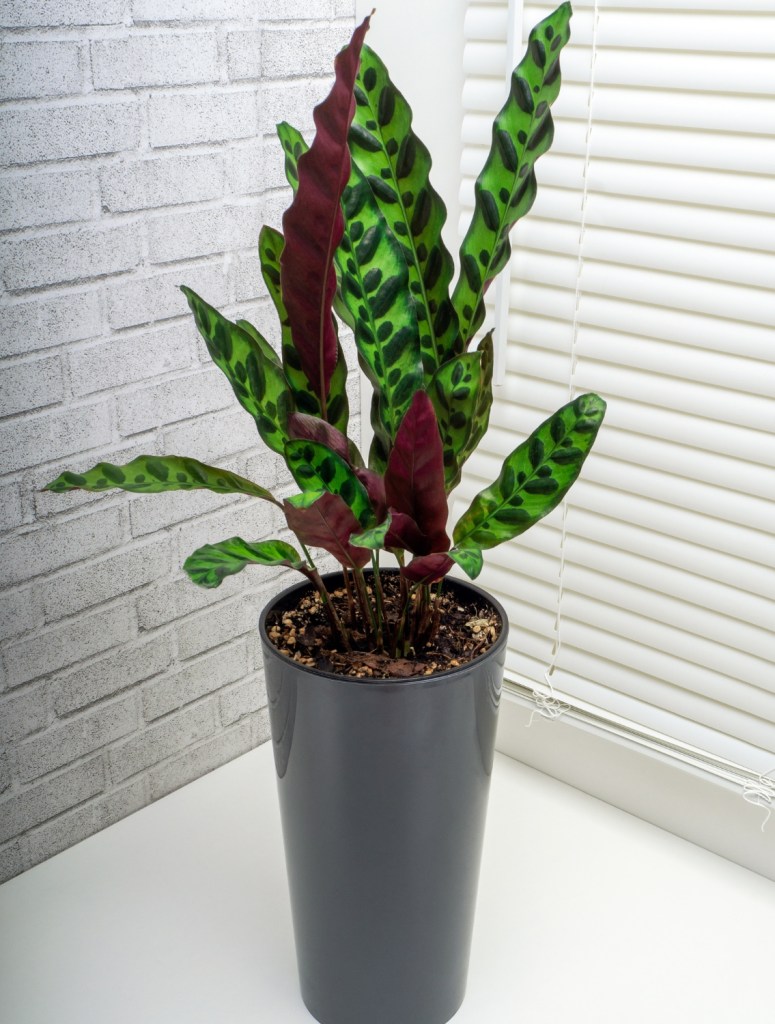
Rattlesnake plants are named for their unique, patterned leaves that resemble the skin of a rattlesnake.
They prefer low to moderate light conditions and thrive in humid environments, making them ideal choices for bathrooms or kitchens with limited natural light.
25. English Ivy (Hedera Helix):
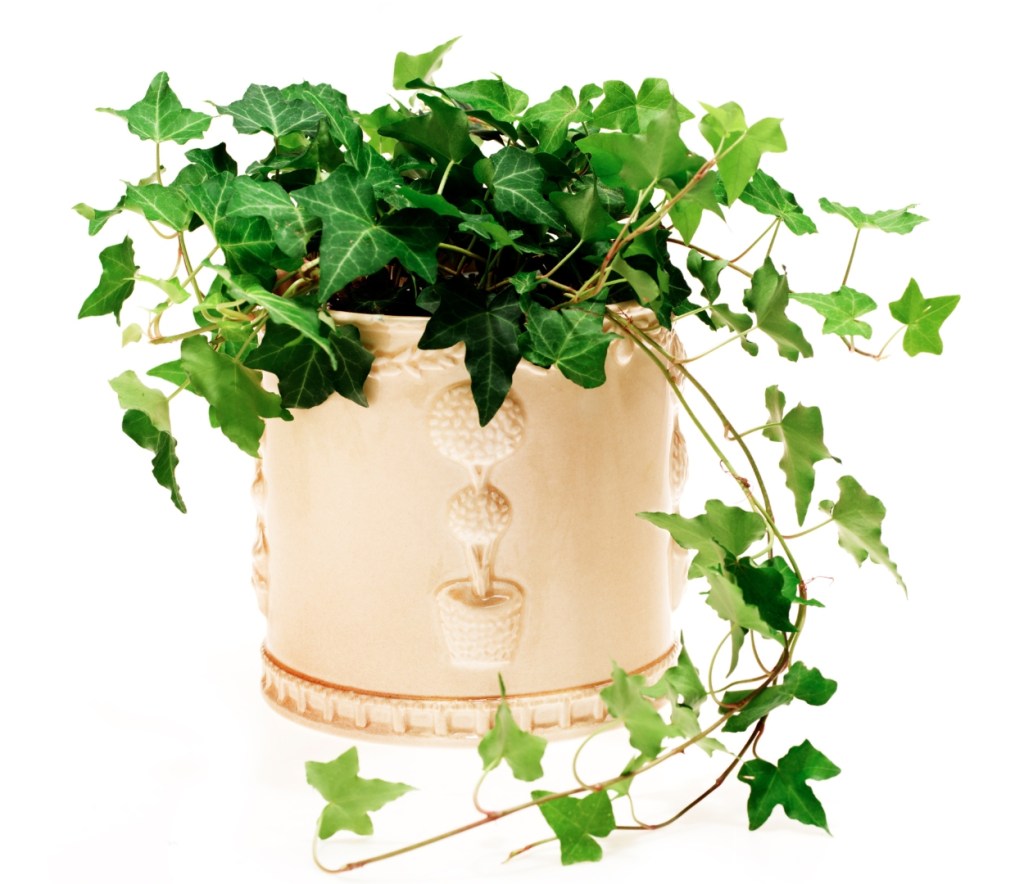
English ivy is a classic trailing plant known for its lush foliage and ability to thrive in low-light environments.
It can be grown in hanging baskets, trained to climb on trellises or walls, or used as ground cover, adding a touch of elegance to any indoor space.
26. Bromeliad (Bromeliaceae):
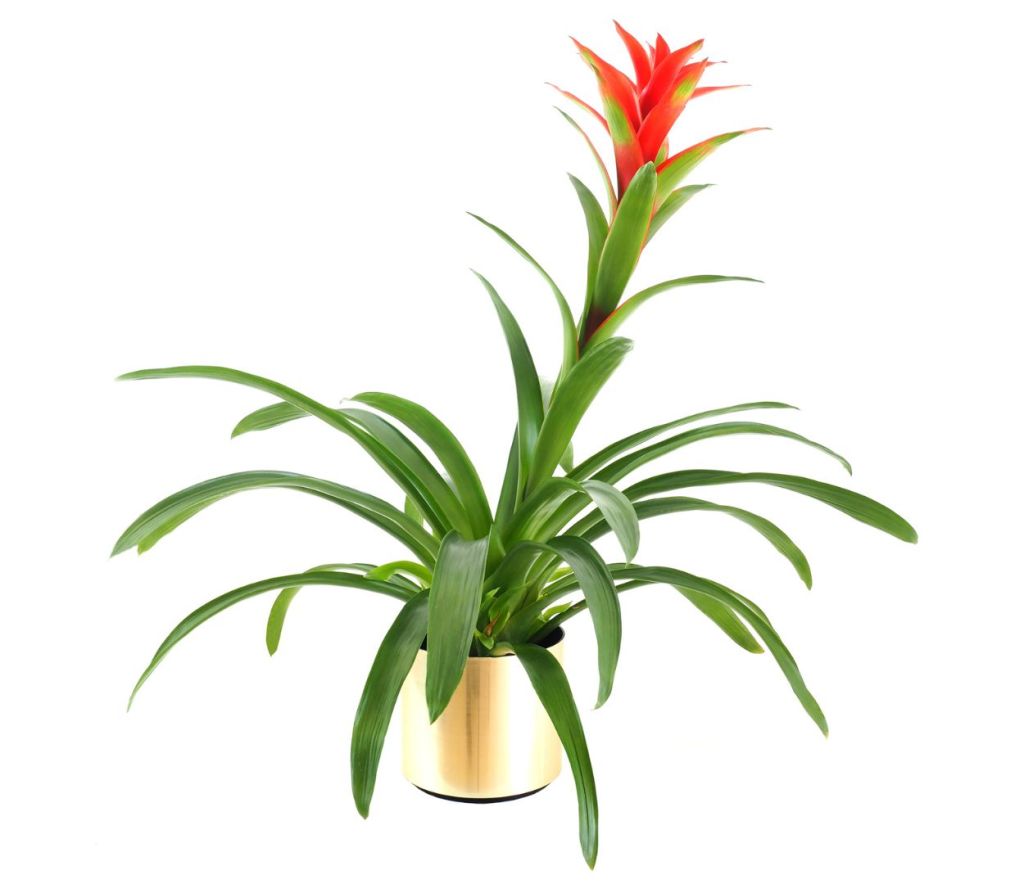
Bromeliads, with their vibrant colors and captivating foliage, thrive in low-light corners, adding tropical vibes to any space.
Their minimal maintenance needs and tolerance for indirect light make them perfect for busy urban dwellers seeking to infuse their homes with exotic charm.
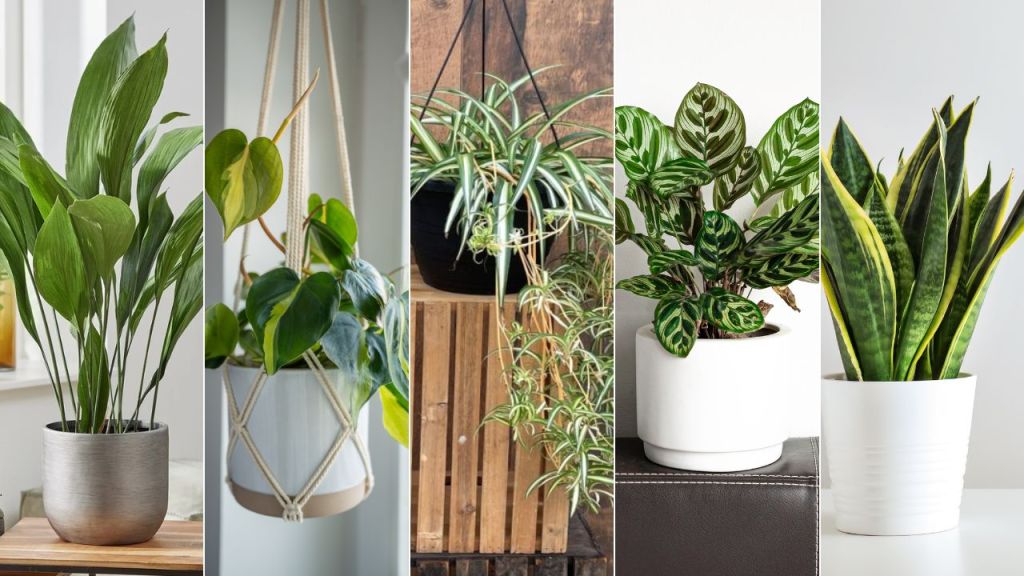
By carefully selecting the right plants and providing them with proper care, you can transform your low-light indoor spaces into lush green sanctuaries. Whether you’re sprucing up your office, bedroom, or living room, incorporating interior plants suited to low-light conditions adds beauty, freshness, and a connection to nature to your everyday environment. With a little attention and care, you can enjoy the benefits of indoor gardening regardless of the natural light available.



 YourHomeInspirations
Leave a comment